


Dog paws often go unnoticed compared to tails or expressive eyes, but they are vital to every step a dog takes. These strong, flexible structures support movement, protect against rough surfaces, and help dogs perform tasks from running to swimming.
Their anatomy, protective layers, toe function, and unique breed adaptations all serve specific purposes.
Want to know more about how paws work, how pads provide protection, what roles toes and dewclaws play, and how breed differences shape the paws for function? Find out here.
Anatomy of Dog Paws

Dog paws are complex and built for action. Each paw contains bones, tendons, ligaments, nerves, blood vessels, skin, and connective tissue. These parts work together to allow motion, absorb shock, and grip the ground.
Paws form the foundation for walking, sprinting, or jumping. A puppy may stumble on soft pads, but adult paws develop strength and structure for balance and movement. The paw’s flexibility helps dogs adjust to different surfaces, from carpets to forest trails.
There are five main parts in a typical dog paw: claws, digital pads, the large metacarpal pad, dewclaws, and carpal pads. Claws provide grip, digital and metacarpal pads cushion impact, dewclaws offer stability, and the carpal pad helps with stopping.
When a dog sprints, its digital pads bend slightly to absorb the force. Carpal pads function like natural brakes, especially on hills or slippery ground. Each part contributes to traction, control, and agility.
Ligaments and tendons anchor paw bones in place. These flexible connections allow controlled movement and shock absorption. Blood vessels supply nutrients and regulate temperature. The dense connective tissue around the joints helps paws resist injury.
Strong but adaptable, this structure enables dogs to climb, dig, chase prey, or swim with ease. No matter the breed, paw anatomy reflects a combination of strength, sensitivity, and endurance.
It Protects Dogs
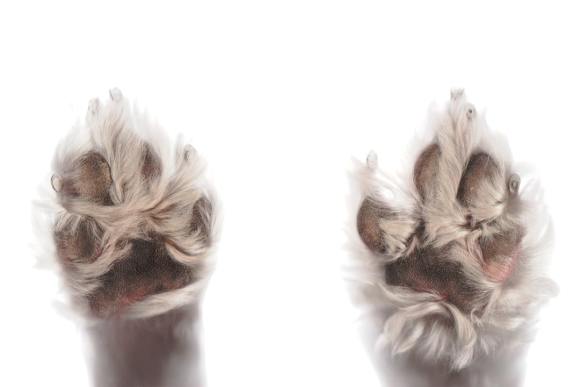
Pads are the soft, thick cushions beneath each paw. They protect bones and joints from impact and rough surfaces. The digital and metacarpal pads absorb shock when dogs run, jump, or land.
Walking on hard gravel or concrete would be painful without these natural cushions. Dogs in active outdoor environments often develop rougher, tougher pads that can handle tough terrain without injury.
Pads are made of fatty tissue and thick skin. This structure resists cold and heat better than most parts of the body, but it is not immune to harm. Surfaces like hot asphalt, icy sidewalks, or sharp rocks can still cause burns, blisters, or cuts.
Dogs walking on very hot pavement may show signs of pain or develop cracked pads. In winter, salt and ice can dry or damage the surface. Regular checks help prevent serious injury.
The texture of a dog’s pads changes based on lifestyle. Dogs that stay indoors tend to have softer, smoother pads. In contrast, working or farm dogs often have hardened pads from daily use.
Paws can sweat through glands, which explains wet paw prints after exercise. These sweat glands help regulate temperature but also indicate stress. Damp paw marks on cool floors suggest a dog has been active or anxious, depending on the situation.
Toes and Dewclaws
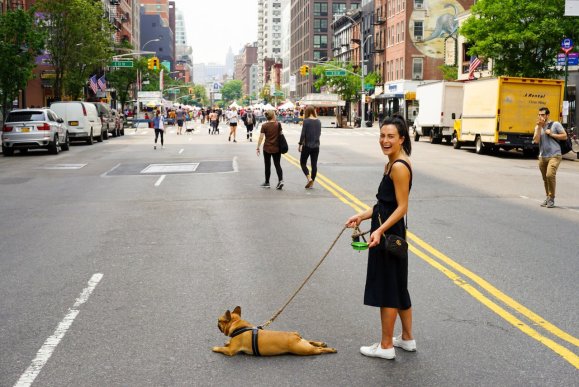
Dogs are digitigrade animals, meaning they walk on their toes rather than their heels. The toes bear the body’s weight and help with speed, agility, and balance. Each paw typically has four main toes and, in most cases, one dewclaw.
The strong toe bones allow dogs to sprint, climb, and navigate rough terrain. Unlike human fingers, dog toes do not move separately, but together they provide grip and support on uneven ground.
Dewclaws resemble thumbs, though not all breeds have them on every leg. They are set higher on the leg and do not touch the ground during walking. Dewclaws assist in gripping objects, such as bones or toys, and can provide traction during fast turns or climbs.
Some dogs also use them for balance while running on uneven ground. Although not used in every step, dewclaws serve subtle but helpful purposes in daily activity.
Certain breeds have double dewclaws on their rear legs. This feature is especially common in dogs bred for mountain terrain, like Great Pyrenees or Beaucerons. These extra claws add traction and stability on slopes or snow.
While some owners remove dewclaws to prevent injury, especially in hunting or working dogs, many vets suggest keeping them unless problems occur. The decision often depends on a dog’s lifestyle and physical activity.
Breed-Specific Paw

Paw shapes vary between breeds, adapted for the environments they were bred to work in. Dogs from snowy or cold regions often have large, wide paws. These spread their weight across soft ground, helping prevent sinking in snow or mud.
Breeds like Newfoundlands and St. Bernards have paws that act like snowshoes, allowing steady movement on slippery terrain. Their broad shape also makes them strong swimmers when needed.
Some breeds have webbed feet, useful for swimming. Dogs like Labrador Retrievers, Portuguese Water Dogs, and Newfoundlands possess partial webbing between their toes. This feature makes their strokes more efficient in water.
These breeds often work in rescue or retrieval tasks that require strong swimming skills. Their long toes and webbing allow for powerful propulsion, making swimming less tiring and more controlled across long distances.
Other breeds have paw shapes designed for speed or endurance. Dogs like Greyhounds have “hare feet,” with long, narrow toes built for sprinting. These feet stretch forward with each stride, giving maximum ground contact during high-speed runs.
In contrast, breeds like Dobermans or Akitas often have “cat feet”—compact, rounded paws that conserve energy and resist fatigue during long walks. The short third digital bone helps tighten the paw shape, reducing the effort needed per step.
Paw characteristics are closely tied to a dog’s original job. Herding dogs need agile, grippy paws for sharp turns. Mountain dogs need wide, balanced paws to keep from slipping. Swimmers need webbing and long toes.
Understanding a breed’s paw design helps owners choose the right environment, exercise routine, and paw care for their dog. Knowing the structure of their feet also helps detect signs of injury, strain, or discomfort early. So, what about your best friend’s?
Sources
https://www.treehugger.com/
Leave a Reply