

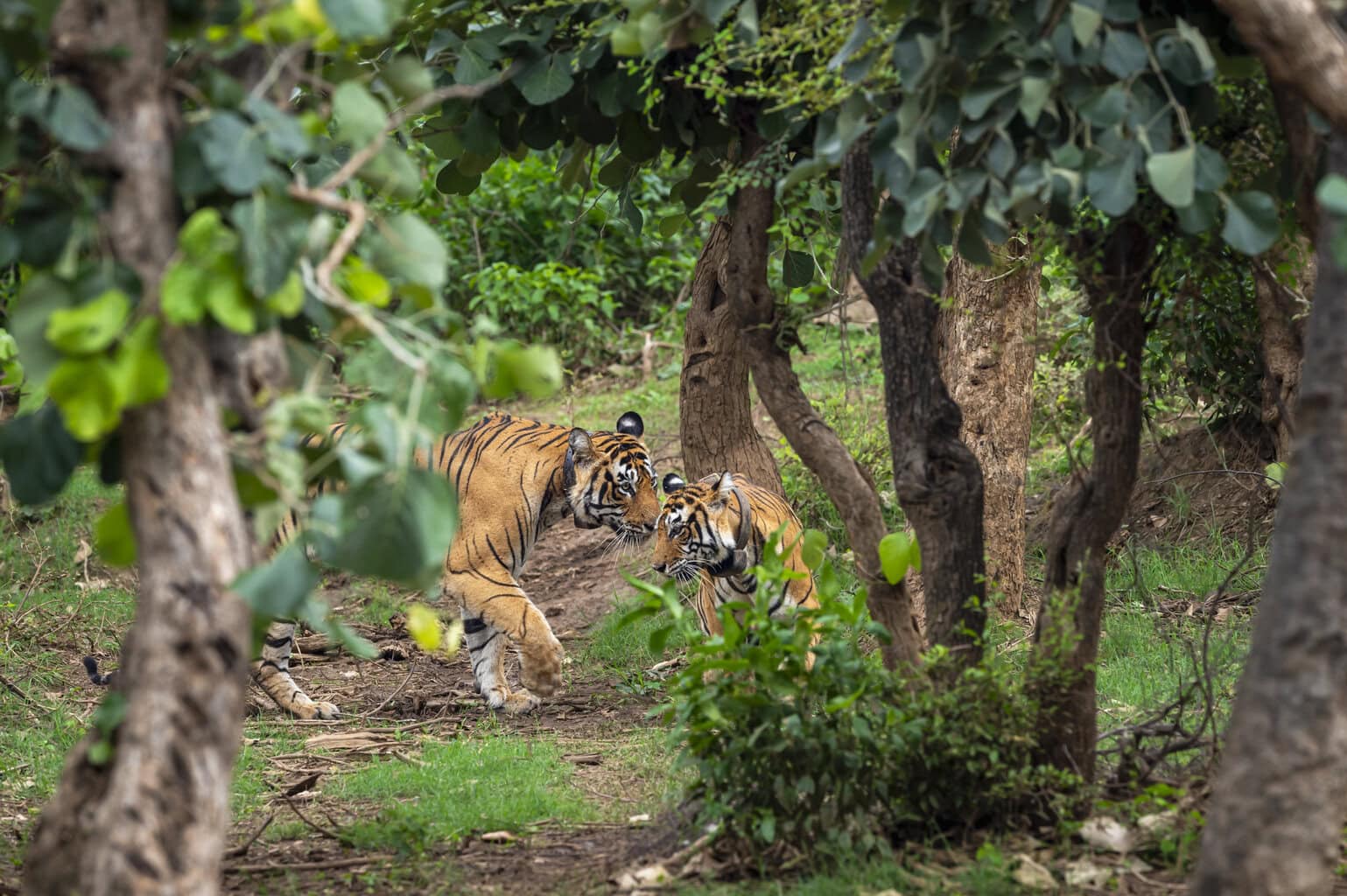
Imagine you could peek into the hidden lives of animals. Not just the rare glimpses seen in nature documentaries, but detailed movements, habits and decisions as if you’re inside their brain. Thanks to big-data tools and wildlife tracking tech, you can now get that view.
The latest research shows that by following creatures with high-resolution devices, scientists are uncovering patterns that help people understand ecosystems, human-wildlife health links and their own place in nature.
The Tech Transforming How Humans See Nature
Scientists use a range of tracking systems to record millions of wildlife locations over time. Some rely on small GPS devices attached to animals, while others are more passive, using automated cameras, drones or satellites that work without physical tags. Radar telemetry is another method, detecting flying creatures by bouncing radio waves off them or by following signals from tiny transmitters using handheld receivers.
One standout innovation is the reverse-GPS system known as ATLAS, which utilizes a network of ground antennas to track signals from lightweight tags on animals while remaining cost-efficient. These systems capture movement data at exceptionally high frequencies, sometimes every second and with spatial precision of just a few meters.

Underwater, a similar reverse-GPS method called acoustic telemetry tracks fish and other aquatic species through networks installed in rivers and lakes. The resulting data resemble huge spreadsheets that inform when, where, how fast and in which direction the creatures are going. Then analysts use algorithms, machine learning and mapping tools to detect patterns.
Big data also allows observers to treat animals as unique individuals distinct from one another. It flags individual variation. Some birds are bold explorers, others are shy stay-at-homers. That variation is important because sustainable systems thrive on flexibility.
The Effects of Visibility on Conservation
Wildlife conservation benefits the most from these technologies. Gone are the days when it meant rangers trekking through remote jungles with radios, tracking collared animals by hand. While these guardians are still an integral part of the work, they now utilize high-resolution devices that automatically log movements. This makes protection across species and continents more efficient, reduces manual labor, and minimizes human disturbance to wildlife.
These precise tools have uncovered remarkable insights. Bats appear to have cognitive maps that guide them through their foraging grounds. Eels and salmon adjust their behavior as they near dams, which is likely to improve survival. Even animals from the same species often exhibit unique movement patterns, revealing individual differences that were once impossible to detect.
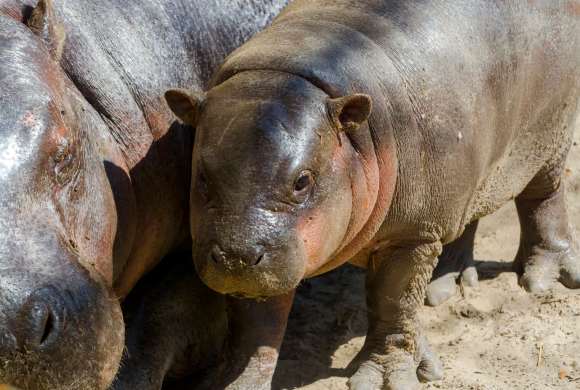
This new visibility into animal routines and habitats gives the public a clearer window into their world, which changes how people view wildlife protection. While zoo residents or social media favorites like pygmy hippos already draw attention to their endangered status, now even the most elusive creatures — those in distant forests, deep oceans or flying far overhead — are seen, studied and safeguarded.
How Transparency With Nature Affects Humans
It’s great that scientists can now study animals in such detail, but you might wonder how this all connects to humans. These findings show that the way creatures move through and interact with their environment affects you more than you may be aware of.
Understanding Pathology
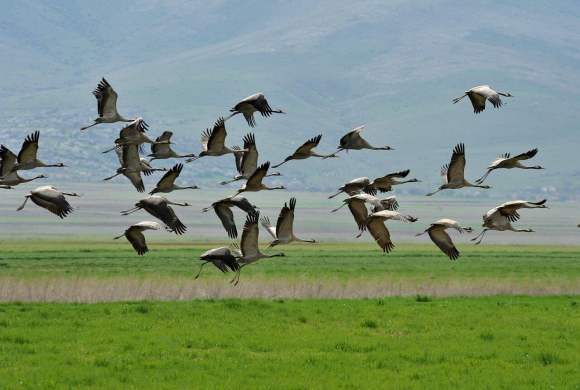
Disease control benefits, as understanding animal movement helps track and manage the spread of illness, allowing experts to provide early treatment and intervention. For instance, during the avian flu epidemic in Israel that killed 8,000 cranes, the first sign of infection was the sudden inactivity or lethargy. This early warning helped scientists prepare and monitor whether the outbreak would recur when other migrating birds arrived.
Protecting the Food Web
Tracking animal movement also explains why certain species avoid or settle in specific areas. If long-term changes occur — such as animals steering clear of polluted zones or areas disrupted by roads and infrastructure — the ecosystems there inevitably shift, including the resources they provide.
Take pollinators, for example. Roads act as serious barriers to their movement. Just one car strike can kill at least 50 bees, while vehicle collisions claim the lives of up to 340 million birds each year. That adds up to hundreds and millions of fatalities annually, which impacts pollination and overall ecosystem health. This can reduce the quality and quantity of fruits and crops in surrounding areas. The disruption can ripple through the food web balance and eventually influence the food on your table.
Designing With Nature in Mind
Armed with this new information, experts are now better equipped to design nature-friendly infrastructure such as wildlife corridors and protected areas. They can identify strategic placements that support animals without causing disturbance.
In short, big-data tracking has gone beyond specialized science. It’s becoming a fundamental way humans observe and understand the natural world. Through this clearer view of the wild, the health of ecosystems and the planet itself becomes easier to see and protect.
Decoding the Mysteries of Nature, One Dataset at a Time
Humans, no matter how technologically advanced, remain part of a world where living in balance with animals is essential. These creatures don’t just roam. They share your environment, health, food and community. You might not notice much difference when a fish or bird is tagged, but when you hear about it, remember that data is helping decode nature’s secrets — and those secrets are benefiting you.
About the Author

Writers Bio: Jane Marsh is an environmental journalist and Editor-in-Chief of Environment.co, where she covers climate policy, renewable energy, and sustainable living. With over four years of editorial experience, her work has been featured on Renewable Energy Magazine, Biofriendly Planet, and Earth.org. Jane specializes in making complex environmental topics accessible and actionable for everyday readers.
Leave a Reply