

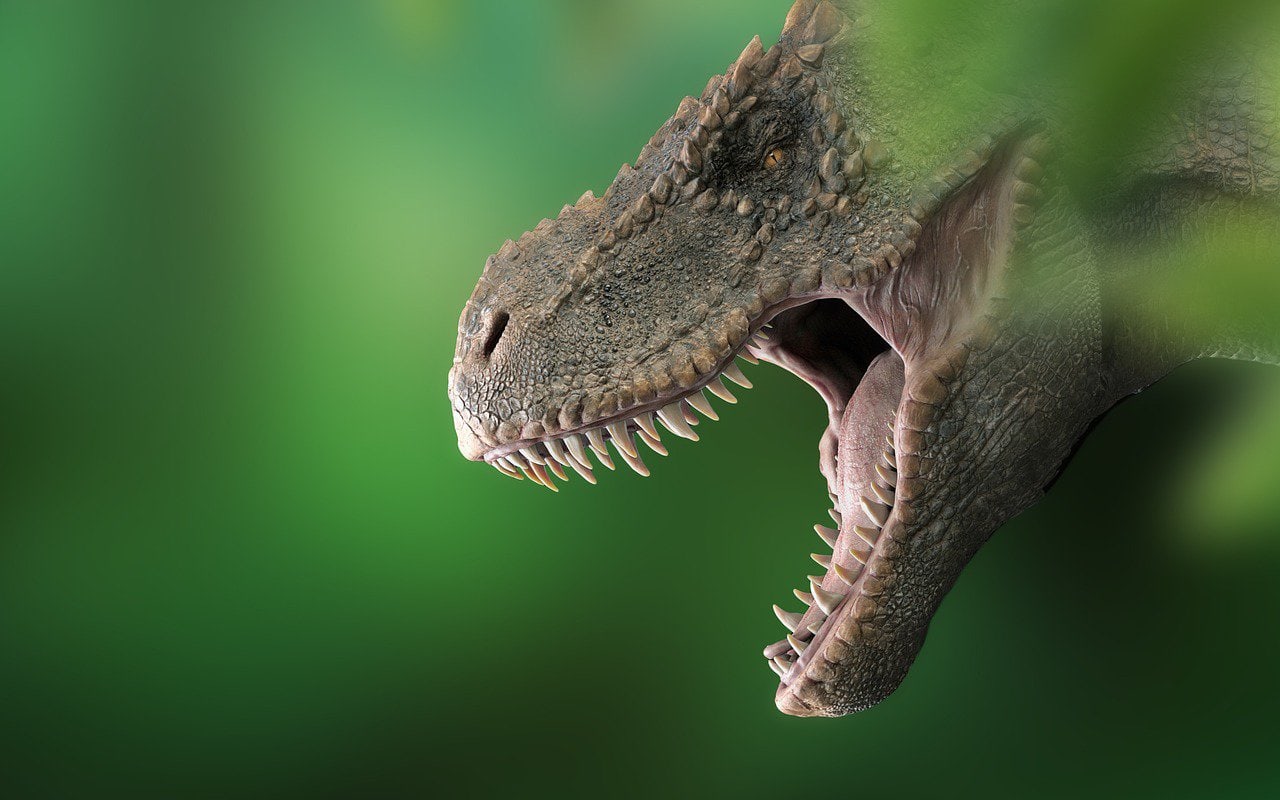
Dinosaurs continue to captivate the imagination of both children and adults alike, inspiring movies, books, and museum exhibits around the world. Their fossils not only serve as a window into the past but also help us better understand the processes of evolution and extinction.
Modern technology, such as 3D scanning and computer simulations, allows paleontologists to analyze fossilized bones in ways that were impossible just a few decades ago. This has led to breakthroughs in understanding how dinosaurs moved, hunted, and interacted with their environment. As research progresses, new fossil discoveries will likely continue to reshape our understanding of these magnificent creatures, filling in gaps in the evolutionary puzzle.
Fossils provide us with insight into dinosaurs and their environments, such as fossilized dinosaur eggs with hard shells similar to modern birds. Nowadays, you can even get a lifelike animatronic T-Rex dinosaur. Everything fueled by our fascination to these majestic creatures.
Fossilized Dinosaur Bones
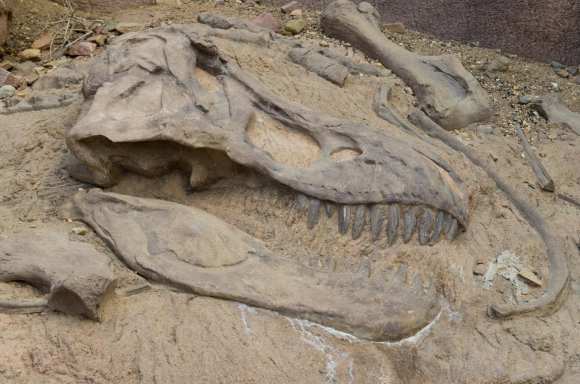
Everyone knows that dinosaur bones become fossilized over time when buried in sediment and turned to rock, but not everybody may know that soft bones can also be preserved for posterity.
Paleontologists often uncover bones and teeth as fossil evidence, providing important clues into an animal’s diet, environment and lifestyle.
Fossils of an entire dinosaur skeleton are extremely rare due to the threat of erosion and other forces which may destroy any remains before they can be discovered.
When this occurs, scientists often find a single bone which still bears signs of its soft tissue. For instance, the femur from a Tyrannosaurus still bears blood vessel and other signs that give an insight into how they lived. Other fossils include skin impressions, footprints and stomach stones (commonly referred to as Coprolites).
Fossilized Dinosaur Eggs
Paleontologists study more than just fossilized bones and skeletons when researching dinosaurs; they also examine fossilized dinosaur eggs, nests, embryos, and hatchlings to gain new insight into their lifestyles and answer questions such as did adults care for emerging hatchlings? which modern animals most closely related to dinosaurs exist today.
Fossilized eggs are extremely rare due to the stringent conditions necessary for them to form. First, an egg must contain a living embryo and be preserved within sediment that doesn’t leak out; furthermore, its outer shell ridges and nodes must also remain preserved.
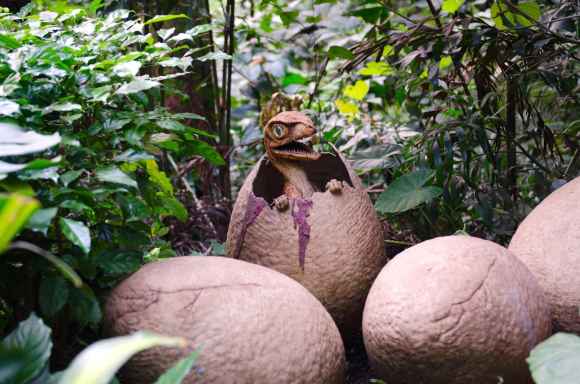
If these conditions are met, fossilized eggs may also preserve body fossils known as trace fossils – this allows scientists to examine growth rates within an embryo contained within a fossil egg. Up until 2009, most fossil eggs discovered contained only shells; but in 2009 scientists unearthed an embryo from a group known as two-legged dinosaurs called Theropods which include Tyrannosaurus and Velociraptor as members.
These discoveries offer remarkable insights into the early development of dinosaurs and their reproductive behaviors. Fossilized nests and eggs also provide clues about whether dinosaurs displayed nesting behavior similar to modern birds. As more fossilized eggs are uncovered, scientists hope to learn even more about how different species of dinosaurs cared for their young and adapted to their environments.
Fossilized Dinosaur Feathers
But recently, paleontologists found evidence of feathered dinosaurs for the first time ever! A fossil from Archaeopteryx – an archaic, lightweight winged dinosaur which lived during Jurassic Period and may have been related to Velociraptor or Deinonychus – suggests otherwise.
Scientists discovered a specimen known as Archaeopteryx from this Jurassic Period creature named Archaeopteryx with clawed hands, long bony tail, feather impressions on its limbs – making its placement on family tree difficult but it likely related to Dromaeosaurs which is related to group of carnivorous dinosaurs such as Velociraptor or Deinonychus.
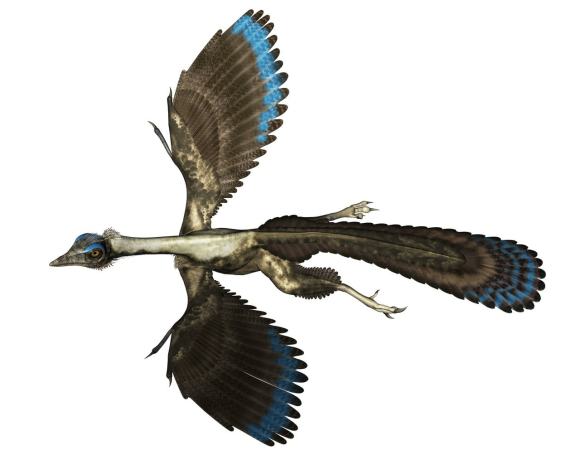
Scientists have recently made some impressive fossil discoveries that shed further light on the evolution of feathers. Scientists discovered feather fossils from both nonavian dinosaur Sinornithosaurus and early birds from China called Confuciusornis that showed downy feathers with central shafts resembling modern bird feathers but contained alpha-keratin carbs; either due to chemical change during fossilization, or because their proteins differ molecularly.
Fossilized Dinosaur Skeletons
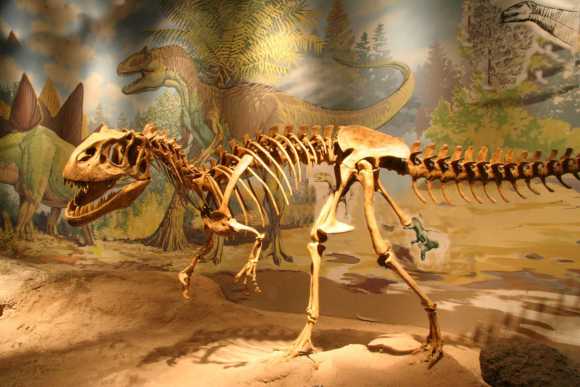
Fossilization is what gives museum skeletons of dinosaurs such as Stegosaurus and Tyrannosaurus their distinctive appearance. Fossilization occurs when an animal is quickly covered by sediment, sealing it away from elements and other animals while protecting hard body parts like bones and teeth from decaying over time. Over time, this sediment hardens into rock such as shale, siltstone or mudstone.
Becoming a fossil is extremely rare for any animal, and even rarer for terrestrial ones. Most commonly it is marine animals with hard outer coverings that become fossilized.
paleontologists face an enormous challenge when trying to assemble fossilized remains into complete skeletons; particularly with larger animals like Tyrannosaurus Rex that may take years before being fully assembled. Sue was discovered as one of the most complete examples, with mounted casts touring museums worldwide.
Leave a Reply