


In the highlands of Flores Island, the Manggarai people have many special words that describe how they farm, how they treat the forest, and how they live with nature. These words carry old knowledge that parents and grandparents passed down for many generations.
Some words explain the stages of crops, some name the tools, and some talk about sacred forest areas. But today, many of these words are slowly fading. They are disappearing because the farming practices linked to them are also disappearing.
Let’s talk a little bit about this sad story, and we may learn something from it.
The Rich Knowledge
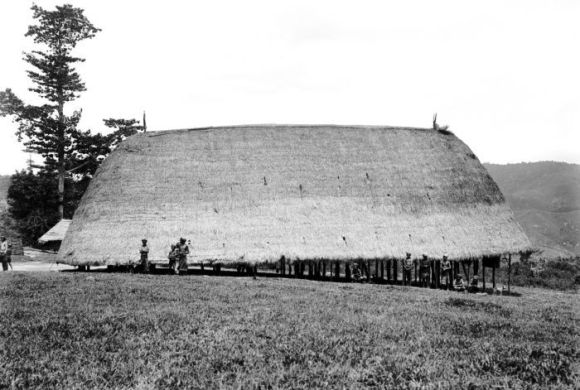
In a research, researchers found more than 250 special agroforestry terms in the Manggarai language. These words came from centuries of working with forests and planting food in mixed systems. They show how closely the Manggarai people watched their land.
When researchers visited Ruteng Pu’u in early 2023, they spoke with elders, women, and young people. They also used pictures to help people remember old words that were no longer used in daily life. Many of these words do not exist in Indonesian, which shows how unique Manggarai knowledge is.
The precision is clear even in simple things. For example, Indonesian uses only one word for seeds, but Manggarai has two. Wini means seeds kept for planting again next season, while ni’i means seeds used for food or selling.
This shows an important rule in Manggarai farming: people never eat or sell all their harvest. They always save some for the next year. In the same way, the verbs are detailed too. Nggale means sorting seeds based on their purpose. Kawo means covering new seeds with soil to protect them from rain or animals.
There are also words that describe the land. Ponceng is the forest edge where people farm together. Puar is a sacred forest area that people can enter only during rituals. Pong is a swampy place that farmers avoid because crops cannot grow well there.
These words form a map of ecological wisdom. They show how the Manggarai people balanced farming needs with the health of the forest.
Language Disappears
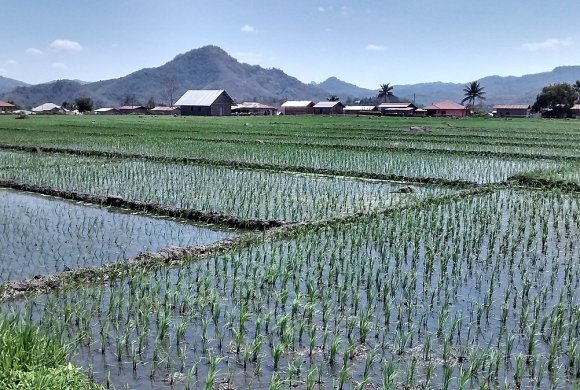
The loss of Manggarai vocabulary did not happen by accident. It began around the 1960s, when monoculture farming became common. Monoculture means planting only one crop in a big area, such as wet rice or commercial plantation crops.
Before that, Manggarai people planted sorghum, upland rice, tubers, and many other crops mixed with trees. This old system did not need heavy chemicals and did not require large forest clearing. But wet rice farming needs more water, more land changes, and more fertilizers. Because of this, forests became smaller and mixed farming became rare.
When the farming system changed, the language changed too. Many agroforestry practices were no longer used, so the special words for them slowly disappeared. Words that described careful planting, soil care, or forest rituals became less useful for younger people. Many children today grow up without hearing these older terms from their parents.
An ethnolinguist named Jepri Saiful said that when these words disappear, people lose more than language. They lose old knowledge about land, soil, seasons, and biodiversity. This weakens cultural identity and makes the community less connected to their own history.
Forest loss also plays a part. Between 2002 and 2024, Manggarai lost more than 70 hectares of primary forest. These forests were cleared for plantations and tourism areas. When the land changes, the words linked to that land also fade.
If a sacred forest becomes a tourist spot, people stop using the word puar. When agroforestry areas disappear, the word ponceng becomes just a memory. Language and landscape disappear together.
Sustainable Farming

The old Manggarai vocabulary shows a way of farming that is gentle, careful, and deeply connected to nature. Many words describe slow, patient actions. Korut is the act of twisting rice or coffee with your fingers so the grains come off without hurting the plant.
Peruk means removing corn kernels one by one. These are not fast methods, but they show respect for the crops. They remind us that food does not come only from profit or machines, but from careful hands and long knowledge.
This old worldview also sees land as more than a resource. For the Manggarai people, land affects health, family life, and community wellbeing. The language itself teaches that farmers must work with the forest, not against it. Mixed farming kept the soil alive and the water balanced.
Trees, crops, insects, and birds lived together in one place. When this system disappeared and monoculture took over, floods became more common, soil became weaker, and food diversity declined. What was once a strong food system became more fragile.
The loss of special words is a warning. It shows how quickly old knowledge can vanish when people change their farming systems. But it also shows something important: this knowledge is still inside the community, even if it is fading.
If people want to restore agroforestry or rebuild forest areas, these old words can guide them. They hold lessons about balance, patience, and respect for nature. Saving the vocabulary also means saving a way of living that kept people and forests healthy for many generations.
The Great Escape
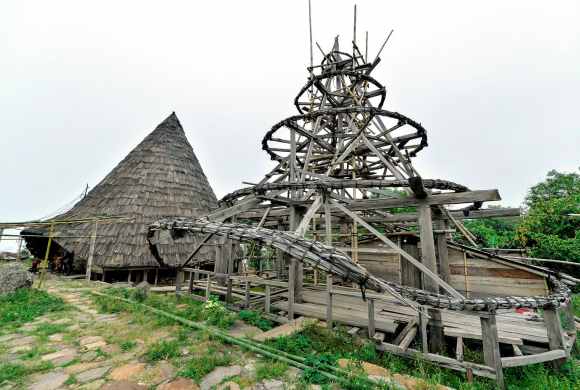
There is another part of the Manggarai story that we still need to understand. Many old farming words are not disappearing because people want to forget them, but because daily life in Manggarai has changed so quickly.
Elders still remember these terms, but younger people do not hear them in real situations anymore. When the farming season starts, older farmers can still recall the names of tools, plants, and planting steps, especially when they see pictures or objects that remind them.
But without these reminders, the words stay quiet in their memory. They become old-fashioned words that exist, but are no longer spoken in everyday life.
Food habits have also changed. In the past, Manggarai families lived on sorghum, tubers, and many local crops that matched the land. Each crop had its own vocabulary, from planting to storing to harvesting.
Today, rice has replaced most of these foods. When the crops disappear from the fields, the words connected to them disappear from the language too. People lose not only the names of plants but also the knowledge of how to care for them.
Tourism adds another layer of pressure. Some traditional farming areas have become tourist sites or commercial land. When the land changes, the language tied to that land loses its use.
Words that once described sacred forest zones, shared fields, or careful farming steps no longer fit the new landscape. Over time, these words fade simply because people no longer live in the world that created them.
Sources:
Leave a Reply