

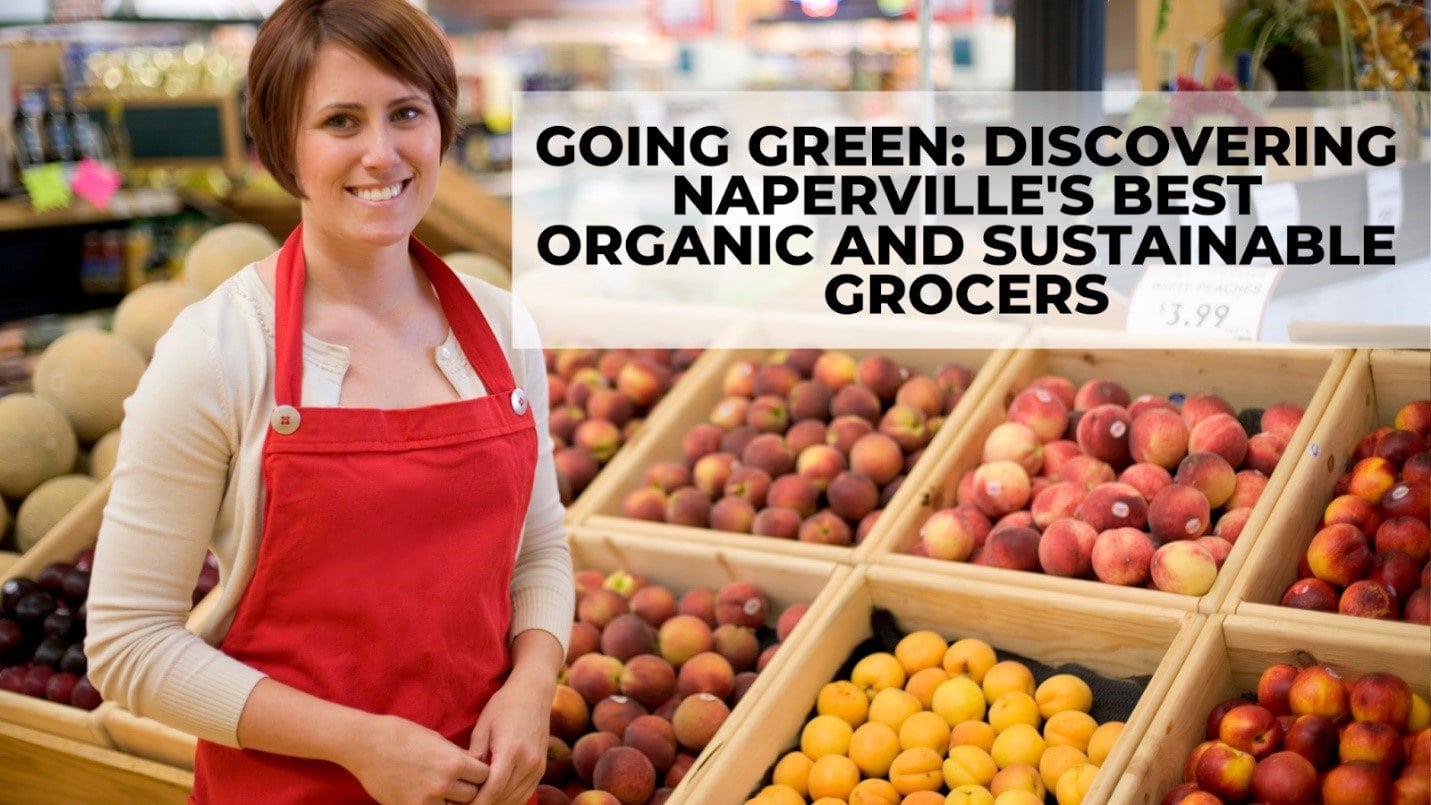
Naperville is home to an ever-growing community of eco-conscious consumers who are dedicated to leading more sustainable lifestyles. This shift has led to an increased demand for organic and sustainable groceries, where both health and environmental impacts are top priorities.
As a result, Naperville boasts a variety of grocery stores that cater to this need, offering everything from organic produce to eco-friendly packaging. If you’re on a mission to go green and make more sustainable shopping choices, here is a guide to Naperville’s best organic and sustainable grocers.
Focusing on Organic and Locally Sourced Products
One of the key aspects of shopping sustainably is prioritizing organic and locally sourced products. Organic food is grown without synthetic pesticides, herbicides, or fertilizers, which significantly reduces the environmental footprint. Locally sourced products not only support the local economy but also help to minimize carbon emissions due to shorter transportation distances.
For residents in the area, many Naperville grocery stores are leading the way in offering a wide range of organic produce and sustainable goods. These stores make it easier than ever to find healthy and environmentally friendly options.
Benefits of Organic and Sustainable Shopping
- Environmental Impact: Organic farming practices protect biodiversity and reduce pollution by avoiding synthetic chemicals.
- Healthier Choices: Organic products are free from harmful pesticides and genetically modified organisms (GMOs), making them a safer option for you and your family.
- Supporting Local Farmers: Many sustainable grocers prioritize locally sourced produce, helping you support small farms and reduce your carbon footprint.

Exploring Naperville’s Top Organic and Sustainable Grocers
Let’s examine what groceries Naperville has to offer in terms of organic and sustainable shopping choices. These grocers are all different but all have concepts of fresh food selling, organic food, low food waste and environmental friendly. Below is a closer look at some of the best grocers you should look at in detail.
1. Fresh Thyme Market
Fresh Thyme Market has become a source for certified organic and sustainably grown groceries. Many people recognize Fresh Thyme for its locally sourced produce and organic foods, offering high-quality options without compromising sustainability.
- Focus on Local Produce: The company’s central theme is the Fresh Thyme, and it boasts of longevity, good food, and sourcing most of its produce from the local farmers.
- Eco-Friendly Packaging: It also focuses on environmental responsibility such as using low plastic bags and prompting the use of carry bags.
- Health-Focused Products: In addition to the fresh produce, Fresh Thyme stocks organic dairy products, meats and canned goods and a wide range of vitamins and natural supplements.

2. Whole Foods Market
Whole Foods Market has grown to be an undisputed market leader in the food industry especially in organic food and sustainability. Being a company that has one of the most rigorous standards regarding the food that is being sold, Whole Foods stocks products and food that are organic, fairly traded or sourced.
- Sustainability Practices: Whole Foods demonstrates a healthy awareness of the environment: The company has no plastic straws; the company encourages returnable containers; and the company uses only compostable packaging.
- Organic Meat and Seafood: But for those looking forward to consuming the responsibly grown meats as well as seafood, Whole Foods provides a list of all proteins.
- Educational Initiatives: Whole Foods also interacts with the community thereby availing information to consumers on why they have to go for the Organic products.

3. Trader Joe’s
People shop from Trader Joe’s because they offer ORG foods at low prices but the quality is good. Although they are not as massive as other grocery stores, Trader Joe’s provides a customer with a variety of organic fruits and vegetables, chips, and other daily use products.
- Affordable Organic Products: This makes it possible for different people to be in a position to buy organic and sustainable products from Trader Joe’s at an affordable price.
- Commitment to Reducing Waste: Of the numerous friendly policies of Trader Joe’s one should mention its efforts in the reduction of plastic consumption: many products come in biodegradable or recyclable packages.
4. Casey’s Foods
Casey’s Foods is a popular restaurant in Naperville; the place that is focused on providing its customers with organic products and foods from local farms. Mainly, being an independent store of the family type, Casey’s focuses on quality and devoted to customers.
- Local and Organic Meats: The variety of meats known in Casey’s received appreciation for using grass-fed and organic products.
- Sustainable Seafood: For instance they have a Fish Market full of seafood and they make sure they get the fish from an environment friendly sources.
- Community Focused: Casey’s Foods also focuses on sourcing products from local businesses and farms and is therefore a great stores to shop both small and sustainably.
Comparison of Naperville’s Organic Grocers
| Store | Focus | Organic Produce | Eco-Friendly Packaging | Locally Sourced Options | Specialties |
| Fresh Thyme Market | Organic and local produce | Yes | Yes | Yes | Vitamins, supplements, dairy |
| Whole Foods Market | Organic, fair trade, and sustainable | Yes | Yes | Yes | Meat, seafood, educational programs |
| Trader Joe’s | Affordable organic products | Yes | Yes | No | Specialty snacks, biodegradable items |
| Casey’s Foods | Family-owned, local, and organic | Yes | Yes | Yes | Meat, seafood, local partnerships |
Prioritizing Eco-Friendly Packaging and Waste Reduction

Another significant aspect of sustainable grocery shopping is reducing waste. Many of Naperville’s sustainable grocers have made waste reduction a priority by implementing eco-friendly packaging solutions, minimizing the use of plastic, and offering alternatives like compostable materials. Shoppers are also encouraged to bring their reusable bags, further contributing to a zero-waste shopping experience.
Beyond the products on the shelves, several stores also offer bulk sections where customers can purchase grains, nuts, and other staples without plastic packaging. This system not only reduces waste but also allows shoppers to buy only what they need, cutting down on food waste.
Educating Consumers on Sustainable Choices
Sustainable grocers in Naperville, IL, are dedicated to informing consumers on how to make environmentally friendly choices.Events like cooking demonstrations, food sampling, and nutritional and environmental forums featuring the pro-organic farming, composting, and adopting low carbon footprints are normally organized in stores like Whole Food and Fresh Thime. Thus, these grocers help the consumers make better decisions to live a sustainable life through equipping them with the required information.

Conclusion
One interesting fact is that Naperville is the home to more and more organic food stores that also cater for environmental concerns. Be it fresh locally-grown vegetables or chemical-free meat, eco-friendly bags or containers, buyers in Naperville are sure to get what they need. By choosing ecological supermarkets, you not only opt for better health but also contribute to protecting the planet.
Frequently Asked Questions (FAQs)
1. How do I know if a product is truly organic?
Organic products must be certified by recognized standards such as USDA Organic. Look for the organic label on products, which indicates they are free from synthetic pesticides, GMOs, and artificial preservatives.
2. Are organic products always more expensive?
While organic products can sometimes be pricier, many Naperville grocery stores offer affordable organic options. Stores like Trader Joe’s are known for making organic products more accessible without sacrificing quality.
3. What is the environmental impact of choosing local produce?
Choosing local produce reduces the carbon footprint associated with transportation and supports local farmers. Additionally, locally grown produce is often fresher and may contain fewer preservatives than items shipped from distant locations.
Leave a Reply