


Plants are known to be the ones who are responsible for helping us reduce air pollution. Indeed, plants can absorb harmful air pollutants from the atmosphere and store it as their own. That’s why we need a lot of them to fight our current problems.
The thing is, while everybody asks “where are plants?”, almost nobody asks “how are plants?” Almost nobody asks what would happen to them when they are exposed to high level of air pollution, like what already happen to many parts of earth.
Apparently, not all plants love to be responsible for cleaning up our air. Some can even suffer from bad air quality in their environment. How come?
Here, in this article, we are going to talk about this.
Plants and Carbon Dioxide

A study conducted by NOAA scientist Stephen Montzka revealed that level of carbon dioxide in the air nowadays affect the growth of plants on this planet. “We discovered a massive, changing signal from the biosphere,” he said.
According to the study, global plant growth is surging alongside increasing levels of carbon dioxide (CO2) in the atmosphere. One key component contributing to this growth is carbonyl sulfide (COS), a gas that is naturally emitted by oceans and vegetation.
Plants play a crucial role in absorbing CO2 through photosynthesis, a process that helps them convert CO2 into energy. Carbonyl sulfide is also taken up by plants during photosynthesis, providing a useful indicator of the rates at which plants are absorbing CO2.
Carbonyl sulfide acts as a tracer gas, allowing scientists to estimate the amount of CO2 absorbed by plants on a global scale. By studying the levels of COS in the atmosphere, researchers can gain insights into the efficiency of plant photosynthesis and the overall health of ecosystems.
The study suggests that as CO2 levels increase, plants are responding by enhancing their photosynthetic activity. This heightened growth has significant implications for the Earth’s carbon cycle and climate regulation.
Increased plant growth can help mitigate the impacts of climate change by removing more CO2 from the atmosphere. But don’t you know that it also affects the growth of some ‘disrupting’ plants such as algae in waterways? Yes, some ‘misplaced’ plants may also get the benefits.
Therefore, it may affect bigger parts such as marine ecosystem where algae are sucking up more nutrition than other aquatic plants and lead to algae bloom. This process alone may hamper the growth of aquatic organisms.
Damages by Air Pollution in Leaf
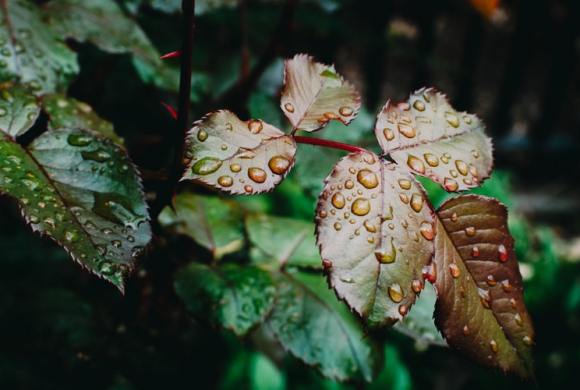
Air pollution may contain various pollutants, not only carbon dioxide. Therefore, it would cause different effect to the plants, such as when they are exposed to high level of ozone and nitrogen dioxide.
It can have visible effects on the leaves of plants. These pollutants can cause damage and lead to morphological changes that impact the overall health and functioning of plants. When plants are exposed to high levels of ozone, which is a primary component of smog, it can result in several leaf-related symptoms.
One common symptom is bronzing, where the leaves take on a reddish-brown or purplish hue. Another symptom is stippling, which appears as tiny white or yellow spots on the leaf surface. Additionally, necrosis or tissue death may occur, leading to the browning or blackening of leaf areas.
These visible changes in leaf appearance are not merely cosmetic. They may tell you about the stress and damage that plants experience due to air pollution. Bronzing, stippling, and necrosis can affect the plant’s ability to photosynthesize, regulate water balance, and defend against pests and diseases.
As a result, it can impair photosynthesis, the vital process through which plants convert sunlight into energy. Ozone and nitrogen dioxide can enter the leaf tissues and disrupt the biochemical processes involved in photosynthesis which reduces the plant’s ability to produce sugars and other compounds, which lead to decreased growth and overall productivity.
Reduction in Photosynthesis Process by Air Pollution
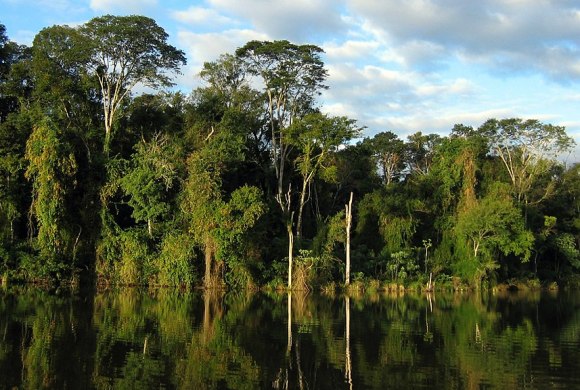
Another type of air pollution, like sulfur dioxide and particulate matter, can disrupt photosynthesis in plants. Photosynthesis is important because it helps plants turn sunlight into energy. Basically, it is how they eat.
Air pollution makes it difficult for plants to get enough light for photosynthesis and disrupts the chemical processes inside plant cells. As a result, plants can’t make as much food as they need and just like human it would lead to health problems.
When plants can’t do enough photosynthesis, their growth and productivity suffer. They become smaller, weaker, and may produce fewer flowers or fruits. This can negatively impact crop yields and plant health.
Air pollution doesn’t just harm individual plants; it can also impact entire ecosystems. When plants struggle to grow due to pollution, it affects the animals and other organisms that rely on them for food and shelter. This disrupts the balance of the ecosystem.
Reduced photosynthesis and growth in plants may lead to economic consequences. Farmers may face challenges in growing healthy crops, leading to lower yields and financial losses. Additionally, the quality and nutritional value of food can be affected, impacting human health in overall.
What About Plants Nutrients?

Air pollution may contain heavy metals, and further it may also cause acid rain. Therefore, bad air quality may expose the plants into heavy metals and acid. Both of them may affect the plants’ ability to absorb nutrients especially form external processes.
The presence of heavy metals and acidic substances can easily affect soil pH, availability of nutrients, and how the plants’ roots absorb the nutrients. In example, heavy metals can accumulate in the soil and become toxic for the plants.
While acid rain can reduce the soil pH making it difficult for plants to absorb nutrients. The plants may also accumulate excessive amounts of harmful elements such as lead or mercury, which can be toxic to the plant and the organisms that rely on it.
As a result, plants may show stunted growth, yellowing leaves, or reduced resistance to diseases and pests. Furthermore, disruptions in nutrient cycling and availability can have cascading effects on the entire ecosystem, affecting the health and abundance of other organisms.
Sources:
Leave a Reply