

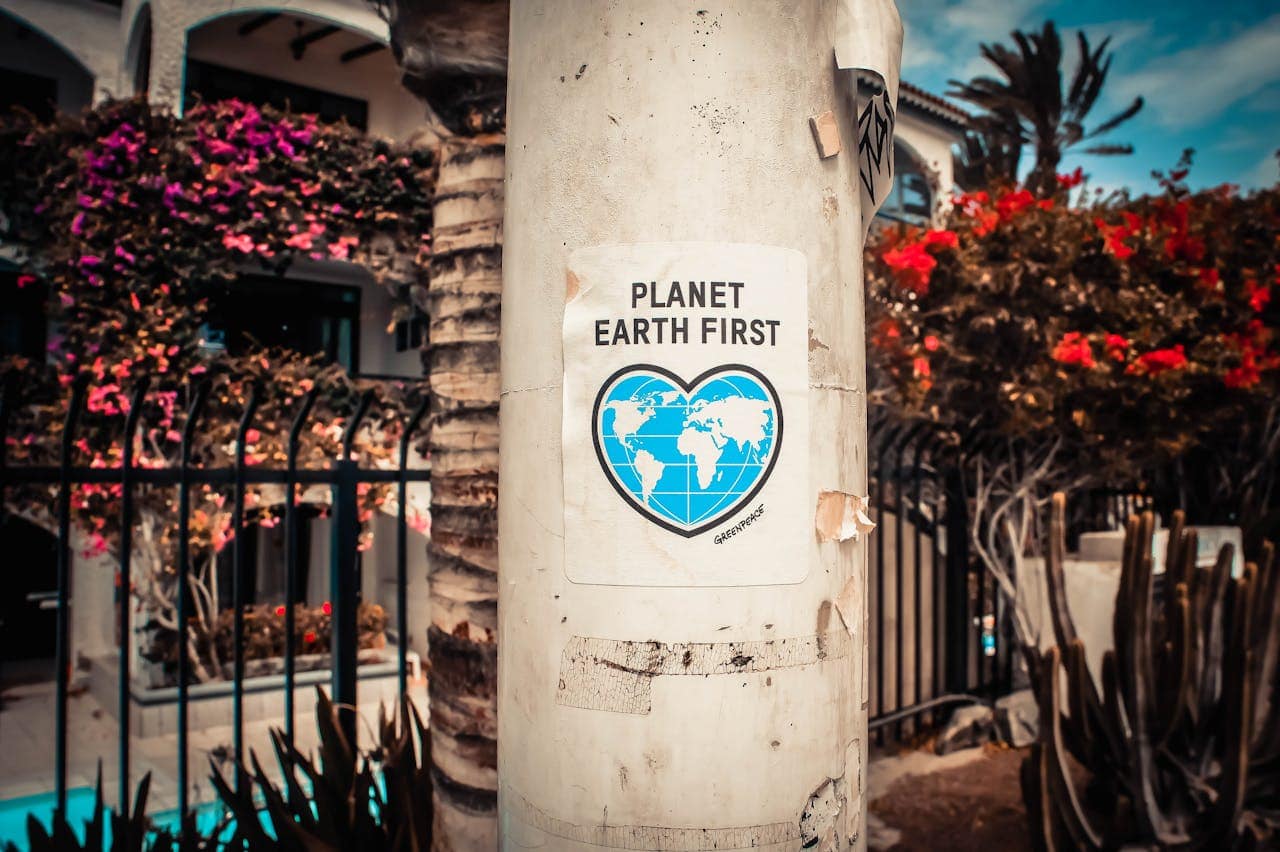
We’ve passed the 2024 Earth Day, and the same thing happened again around that time: encouraging more eco-friendly tips to do our part to help save the planet.
But has it become some sort of a platitude? A thing that everyone has grown weary of?
Well, let’s take a look at its achievements. Since 1970, Earth Day has led to significant environmental advancements all over the planet.
We’ve seen more initiatives and efforts, from tree-planting campaigns to global support for sustainable farming practices, as well as climate education projects.
In the United States only, it played a role in the establishment of the US Environmental Protection Agency. It also helped strengthen laws like the Clean Air Act.
It has also served as a milestone marker. On Earth Day 2016, the Paris Climate Accord was signed ceremonially this day. As we know, the agreement signified the first global effort to tackle climate change.
Some say that the day remains important, as it places environmental concerns at the front per year.
Yvo de Boer, former UN climate chief, emphasizes its role to remind us of the consequences of our short-term decisions.
Yet, some other experts have become disheartened by it and have questioned the positive impact the day brings for the planet.
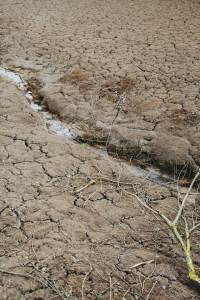
According to them, 2023 was the hottest on record and it doesn’t seem like it’s going to change much this year. Everywhere and every day, there are cases of extreme heat, water shortages, as well as natural disasters.
Then, there’s also increasing species extinctions caused by both climate change (natural or human-induced) and human activities.
Skeptics (people who have become skeptical of this movement) say that it’s now time to go beyond the idea of saving an idealized planet.
While they don’t take away the milestones that Earth Day has delivered, they caution against complacency.
They argue that the day has also led to individuals and businesses exploiting environmental rhetoric without changing genuinely.
Activists have also expressed that Earth Day can sometimes be superficially embraced by those in power. They also say that governments need to crack down on misleading environmental claims made by businesses.

In addition, they say that moving forward, we should adapt to the changes that are underway and continue reducing greenhouse gasses at the same time.
While we have efforts to reduce greenhouse gasses and whatnot, experts argue that adaptation is getting less attention and investment despite being just as urgent.
That makes vulnerable communities carry the greatest burden.
By adapting to changes that are climate-driven like extreme heat, sea-level rise, and desertification, we’ll need to rethink our relationship with nature in many ways.
But what does adapting mean?
Forbes’ contributor John Sabo illustrated this from a personal story.
Last summer, Sabo took a road trip with his daughter. They traveled from the mouth of the Mississippi River in Venice, Louisiana, to Lake Itasca in Minnesota, its headwaters.
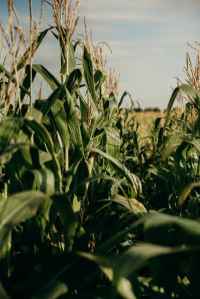
Along the way, they didn’t think there would be only little of the river that they saw. The river is hidden behind leeves (floodbanks) for much of its length–from New Orleans to near the Minnesota-Canada border.
Moreover, much of what they saw was corn, and a lot of it, for six days.
During the road trip, Sabo spoke with locals to understand what the river means to them, culturally and as a natural resource.
The conversations highlighted a common theme: leeves keep nature out of sight and at bay. That leaves people disconnected from one of the planet’s most expansive and productive natural systems.
It’s human nature when people don’t want to make sacrifices to save something that they don’t relate with or resonate with their personal experiences.
The Mississippi River has been manipulated in countless ways over centuries. Its essential functions, however, remain crucial to global commerce, local water supply, and broader ecological health.
If we can shift to a forward-thinking mindset–one that sees nature as something that one can design and manage like how infrastructure can help us adapt to climate change in the Mississippi River Basin, it can help us adapt.
Sabo explained that if we can combine “designed nature” perspective with traditional infrastructure ideas like leeves, we’ll have more tools to create adaptive solutions tailored to specific places and times.
Adapting both ways: on land and in the water
 According to some experts, there’s great potential in expanding our view of nature. That is, when one sees it as something that one can design and manage alongside infrastructure, rather than as a static entity to preserve unchanged.
New Orleans is already making this shift. The city has learned that integrating infrastructure with nature can counteract the visible impacts of climate change.
Louisiana’s Coastal Protection and Restoration Authority (CPRA) is opening levees to divert sediment from the river to sinking coastal marsh areas threatened by rising seas.
This massive effort shows how reimagining the relationship between fresh and salt water is essential for thriving in a changing climate.
Coastal marsh areas protect against storms and provide habitats for wildlife, including commercial fish species. This project is important because it embraces a flexible, creative approach.
The boundary between nature and built environments is intentionally blurred.

Are we saving? Restoring? Constructing? Yes.
More concrete and pipes alone aren’t sufficient and are costly to build and maintain for worst-case scenarios.
Instead, combining manmade infrastructure with natural elements like mud, sand, plants, and water offers flexible, affordable solutions as threats and challenges increase.
This approach also supports habitats, provides recreational opportunities, and keeps us connected to the inspiration that nature provides.
Managing lands like agriculture with this perspective can also help and make a difference.
Bringing back row-crop lands to their historic natural state isn’t actually practical on a large scale.
However, designing strategic floodplain access along levees can help manage nutrient loads from middle America to the Gulf. That can benefit the sustainability of global food production from the US.
Sabo said that when the next Earth Day comes around next year, there would be more conversations and focus on changes that are more impactful.
Of course, this doesn’t mean that the current efforts are not recommended anymore.
Keeping things more sustainable like shopping locally at local farmer’s markets is still nice.
But it comes back to the source. Preserving our food supply and nature (and much more), experts say, should start with redefining our relationship with nature.
We can also say that ultimately, Earth Day can signify two things. First is an annual reminder of environmental challenges.
Secondly, it prompts a critical evaluation of the importance for authentic action and accountability in addressing global environmental issues.
Sources
Leave a Reply