

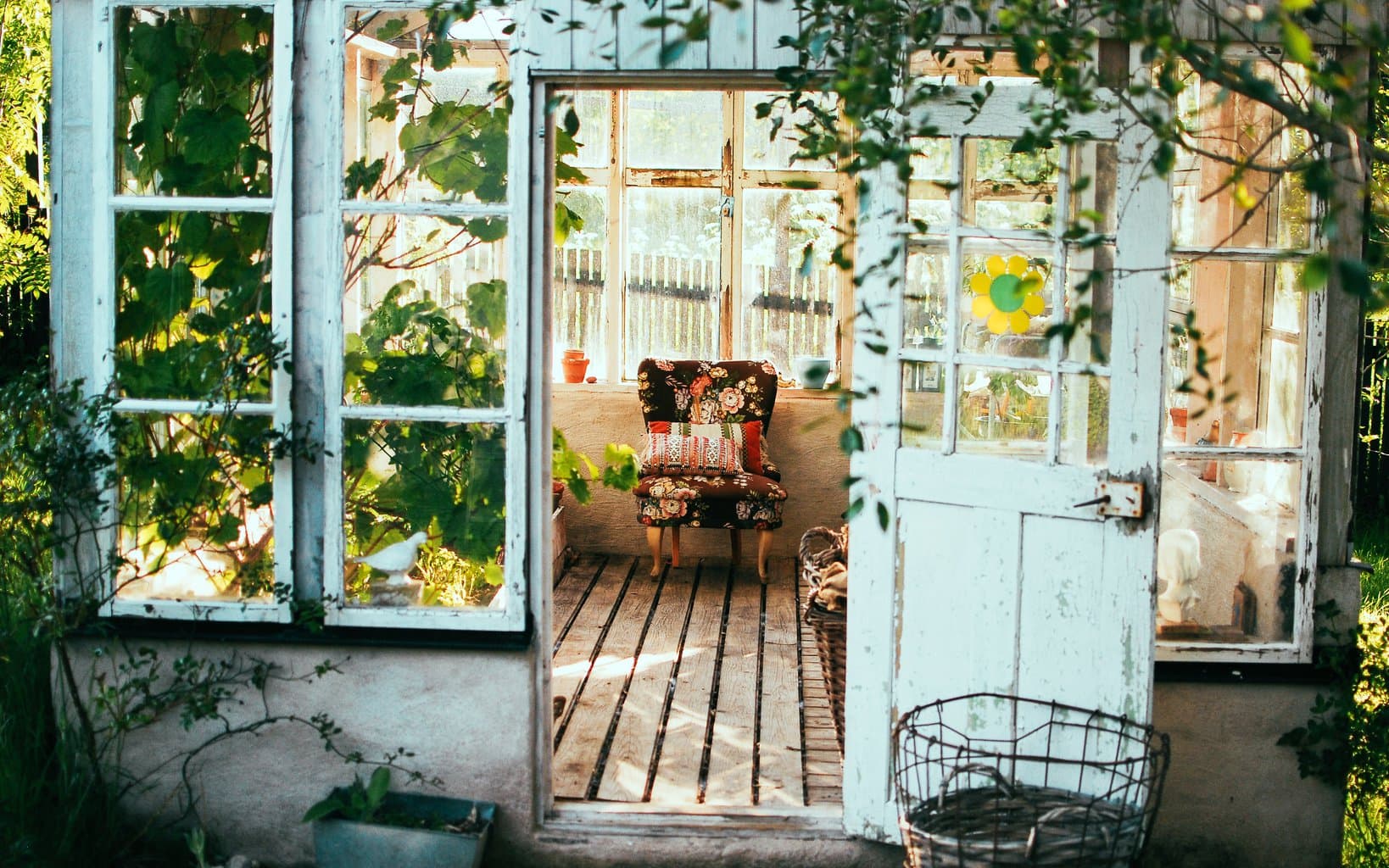
You know that gardening is one of the most fun activities, right? Do you know that there is another activity that can bring us more fun? Let us tell you, the activity is creating a wildlife friendly garden!
A wildlife friendly garden is just like a normal garden we usually know, but it is friendlier to wildlife. Pretty literal name, isn’t it? We just need some additional efforts to change our garden to a wildlife friendly garden, and slowly but sure we will see the difference.
The difference is actually huge both to our garden and the environment around it, actually. So, would you know how to make a wildlife friendly garden? Follow through.
Plant More Native Species
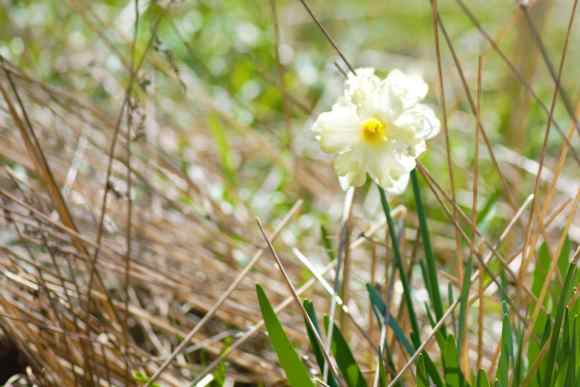
Planting native species in your garden is a fundamental step in creating a wildlife-friendly environment. Native plants are those that naturally occur in a particular region or ecosystem. They have adapted over time to the local climate, soil, and the animals that inhabit the area.
When you incorporate these plants into your garden, you’re essentially providing a familiar and sustainable food source for local wildlife. One significant advantage of using native species is that they require less maintenance compared to non-native or exotic plants.
They are already well-suited to the local conditions, reducing the need for excessive watering, fertilizers, and pest control. This not only benefits the environment but also saves you time and effort in maintaining your garden.
Moreover, native plants play a crucial role in supporting pollinators, such as bees and butterflies. These creatures rely on the nectar and pollen provided by native flowers for their survival. By planting a variety of native flowering plants, you can attract these pollinators, ensuring the continuation of essential ecological processes.
Another vital aspect of native plants is their role in providing habitat and food for local wildlife. Native trees and shrubs, for example, offer nesting sites and shelter for birds. Fruits, seeds, and insects associated with native vegetation are essential parts of the diet for various bird species and small mammals.
Build Shelters

Creating habitats for wildlife in your garden is a multifaceted approach to fostering a harmonious coexistence between nature and your living space. This second step in making your garden more wildlife-friendly involves the construction of suitable homes and shelters for various creatures, such as birds, insects, hedgehogs, and bees.
Birdhouses are a common addition to wildlife-friendly gardens. They offer nesting sites for a variety of bird species. These structures can be strategically placed around your garden, encouraging birds to make your space their home. Providing them with a safe place to build nests and raise their young contributes to the biodiversity of your area.
Insect hotels are another creative element in this endeavor. These small structures are made up of various materials like hollow sticks, bamboo, and wood, creating nooks and crannies for a diverse range of insects. Insects are essential to pollination and are a source of food for many other wildlife species.
For hedgehogs, leaving a small, wild area with undergrowth, logs, and leaves can serve as their shelter. Hedgehogs are known for their fondness for these natural hiding spots. By providing them with a comfortable space to live, you contribute to the conservation of this endearing creature.
Last but not least, bees are crucial pollinators, and you can support them by installing bee hotels in your garden. These small structures provide nesting sites for solitary bee species, which play a vital role in the pollination of plants.
Water and Water!
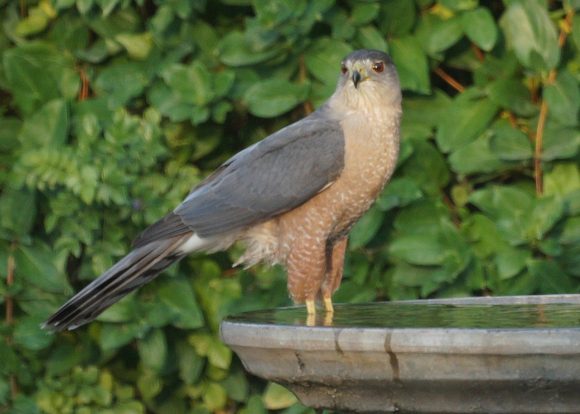
Ensuring that your garden has accessible water sources is a key element in creating a wildlife-friendly environment. Water plays a fundamental role in the survival and well-being of many creatures, from birds and insects to amphibians and mammals.
Birds, in particular, rely on water for drinking and bathing. By setting up a bird bath in your garden, you offer a convenient and safe place for birds to quench their thirst and clean their feathers. This not only supports their hydration but also helps in maintaining their plumage, essential for their flight and insulation.
A small pond is another valuable addition to a wildlife-friendly garden. Ponds provide a habitat for amphibians like frogs and toads, which play a vital role in controlling insect populations. They are also a source of water for various creatures, from dragonflies to birds. The presence of aquatic plants in the pond further contributes to the diversity of the ecosystem.
Bees and butterflies are attracted to water sources as well. These pollinators require water for hydration, especially in hot weather. By placing shallow dishes filled with water and some stones for perching, you create a welcoming spot for these important insects.
Additionally, mammals like hedgehogs can benefit from a shallow dish of water. These small creatures need water to supplement their diet and maintain their well-being.
No to Chemicals!
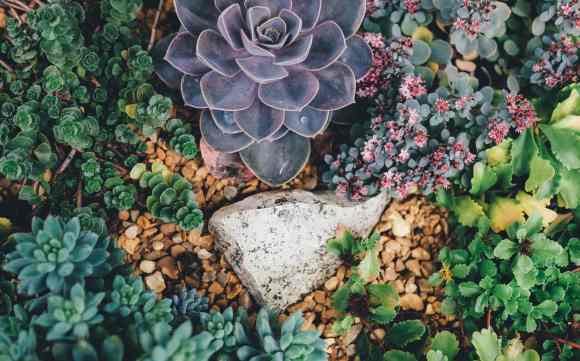
One of the most significant contributions you can make to create a wildlife-friendly garden is to avoid the use of harmful chemicals. Chemical pesticides, herbicides, and synthetic fertilizers can have detrimental effects on the local ecosystem, and by abstaining from their use, you promote a healthier and more sustainable environment.
Pesticides, designed to eliminate unwanted insects, can also harm beneficial insects, such as pollinators like bees and butterflies. These chemicals disrupt the natural balance of the ecosystem by indiscriminately affecting all insect life in your garden.
By not using pesticides, you allow these vital pollinators to thrive, ensuring the successful reproduction of flowering plants. In addition to that, herbicides are used to control unwanted plants, but their impact extends beyond weeds.
They can harm the soil and water quality and negatively affect the diversity of plant life in your garden. By relying on natural methods like mulching or manual weeding, you maintain a healthier and more balanced environment.
Synthetic fertilizers, while they can enhance plant growth, often contain harmful chemicals that can leach into the soil and water, causing damage to aquatic life and the wider ecosystem. By using organic fertilizers and practicing composting, you enrich the soil naturally and sustainably.
Moreover, avoiding the use of chemicals in your garden helps protect other wildlife as well. For example, hedgehogs and other small mammals can be harmed by consuming poisoned insects or drinking contaminated water.
Sources:
Leave a Reply