

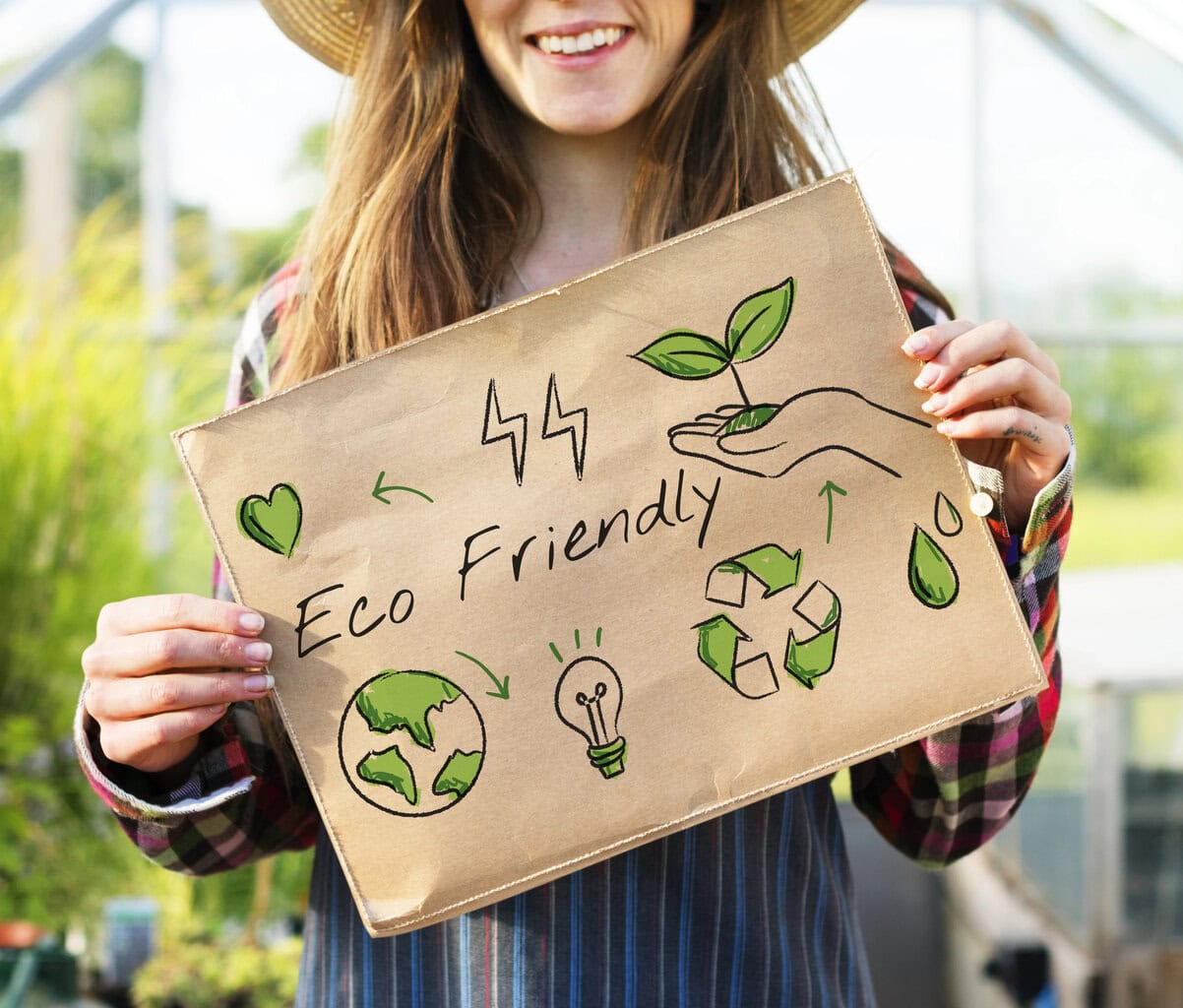
Living an eco-friendly lifestyle does not mean you must make huge changes to your current routine. Small daily habits can add up and make a huge difference, and you will live a more environmentally friendly lifestyle before you know it.
Many people struggle to think of what they can do to make a difference, so we’re going to have a look at some of the simple ways you can reduce your environmental impact and create a more sustainable lifestyle below.
Reduce Single-Use Plastics

Plastic waste is one of the biggest environmental challenges, with many plastic items like bags, straws, and bottles ending up in oceans and leading to problems for wildlife. Carrying a reusable water bottle, using cloth shopping bags rather than plastic ones, saying no to using plastic straws, and choosing glass or stainless steel containers for food storage are all simple ways that you can cut down on how much plastic you are using in your lifestyle.
As more people make these choices, plastic pollution will be significantly reduced, and marine life will be protected. Many communities now offer plastic recycling programs; however, reducing consumption in the first place is one of the most effective approaches that you can take.
Conserve Water

Water is a limited resource, and conserving it helps to preserve the environment while lowering your utility bills at the same time. Turn off the tap while you brush your teeth, fix leaks, and use low-flow showerheads. Collecting rainwater for your outdoor plants is also an easy way to reduce water consumption and make a difference in the world.
Additionally, using a dishwasher instead of hand washing dishes can actually help to save you water in the long run; modern dishwashers use much less water than running a faucet continuously. Installing a dual flush toilet or adding a water displacement device to your existing toilet can also help cut down on how much water you are using.
Eat More Plant-Based Meals

Meat production takes up so much land, water, and energy. Reducing meat consumption helps lower your carbon footprint. Try starting by having a meatless day once a week by choosing locally sourced fruits and veggies and reducing food waste by planning meals that use leftovers so you can be part of a more sustainable diet.
Eco-friendly 101 has some great ways to go vegan. If everyone replaced one meal a week with a plant-based option, the impact would be huge.
Use Energy-Efficient Appliances

Switching to energy-efficient appliances can help save you money and reduce your emissions. Look for Energy Star-rated appliances and unplug devices when they’re not being used so you can avoid any phantom energy drain. Make sure that you replace all incandescent bulbs with LED light bulbs, as they last longer and use much less energy.
Installing a smart thermostat can also help control your energy usage and make sure that your home remains comfortable without unnecessary power consumption or gas. Washing clothes in cold water and air-drying them rather than using a dryer can also help reduce your energy usage further.
Drive Less and Walk or Bike More

Transport, no matter the type, is a massive contributor to greenhouse gas emissions. Choosing to bike or walk for short trips rather than using your car can make a huge difference to the world. Use public transportation, carpool wherever you can, and consider an electric or hybrid vehicle to reduce your impact on the environment even further.
If you have to drive your own car, then you need to make sure you are running it as efficiently as possible. This means proper tire pressure and efficient driving.
Ridesharing and using bike-sharing programs can provide convenient and eco-friendly alternatives to using your own vehicle.
Shop Sustainably

Shopping sustainably reduces your waste and helps support good businesses. Buying second-hand clothes and furniture, products with minimal or biodegradable packaging, and supporting brands that prioritize sustainable and ethical practices are all great ways to shop responsibly.
Fast fashion is one of the biggest polluters, so consider investing in high-quality, long-lasting clothes rather than cheap disposable ones, and that can make a big difference. Also, second-hand shopping for clothes and giving them a second life. Bring reusable shopping bags and avoid products with too much plastic packaging to reduce the waste you are creating when you shop.
Start Composting
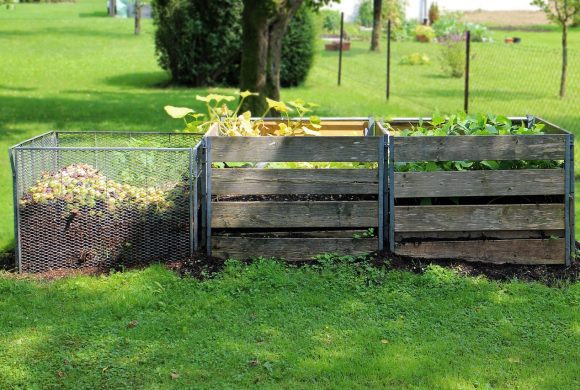
Food scraps and organic waste can be composted rather than going to landfills, where they produce harmful methane gas. Think about setting up a small compost bin in your kitchen and using compost to enrich your garden soil so that you can reduce your waste from further items.
Things like fruit peels, coffee grounds, and egg shells can be composted instead of thrown away. Even those who don’t have a garden can participate in this by looking for community composting programs or city collection services.
Reduce Paper Waste

Digital alternatives can help you reduce the amount of paper that you use in your life; this ultimately saves trees and energy. Choosing digital billing and statements, using reusable cloth towels rather than paper towels, printing only when you absolutely need to, and using both sides of the paper are all practical ways that you can cut down on the amount of paper that you are using.
Schools and offices can also take further steps by encouraging digital note-taking and minimizing unnecessary printing.
When it comes to paper products like toilet paper, notebooks, children’s coloring books, and more, try keeping your eye out for recycled items.
It’s now even possible to get recycled wrapping paper as more businesses are making the move towards this.
Choose Non-Toxic Cleaning Products

Many household cleaners contain chemicals that are harmful to the environment and your health. Switching to eco-friendly cleaning products, using natural alternatives like baking soda, vinegar, and lemon, and avoiding antibacterial soaps with harmful ingredients are much better choices for a greener home and lifestyle.
Homemade cleaners are a cost-effective and easy way to reduce the number of harsh chemicals in your living space. Essential oils like eucalyptus and lavender can help to add a natural fragrance and antibacterial properties to any DIY cleaning solution that you make.
Educate Yourself and Others

One of the first things you need to do with making these changes is to become more educated about what can be done to make a difference.
Learning more about eco-friendly practices can help you create a more sustainable lifestyle and future for yourself. Following sustainability blogs and social media pages, such as ecofriendly101.com, for additional tips and resources provides brilliant ways for you to stay informed and learn ideas about being more sustainable in your life.
Encouraging family and friends to take on some of these changes can also help to create a more environmentally friendly world.
Small Changes Add Up
Starting a more sustainable lifestyle is not about making big changes. It’s all about the small changes that add up over time.
Small things like using a reusable water bottle, changing the lightbulbs in your home to LED, and composting for your garden can all make a huge difference over time, especially when more people get involved, too.
Climate change and environmental degradation can feel overwhelming, but every little bit you do helps make the world a better place. If millions of people start to commit to tiny changes, the collective impact will be huge. Which one will you try first? Start now and start inspiring others to do the same.
Leave a Reply