

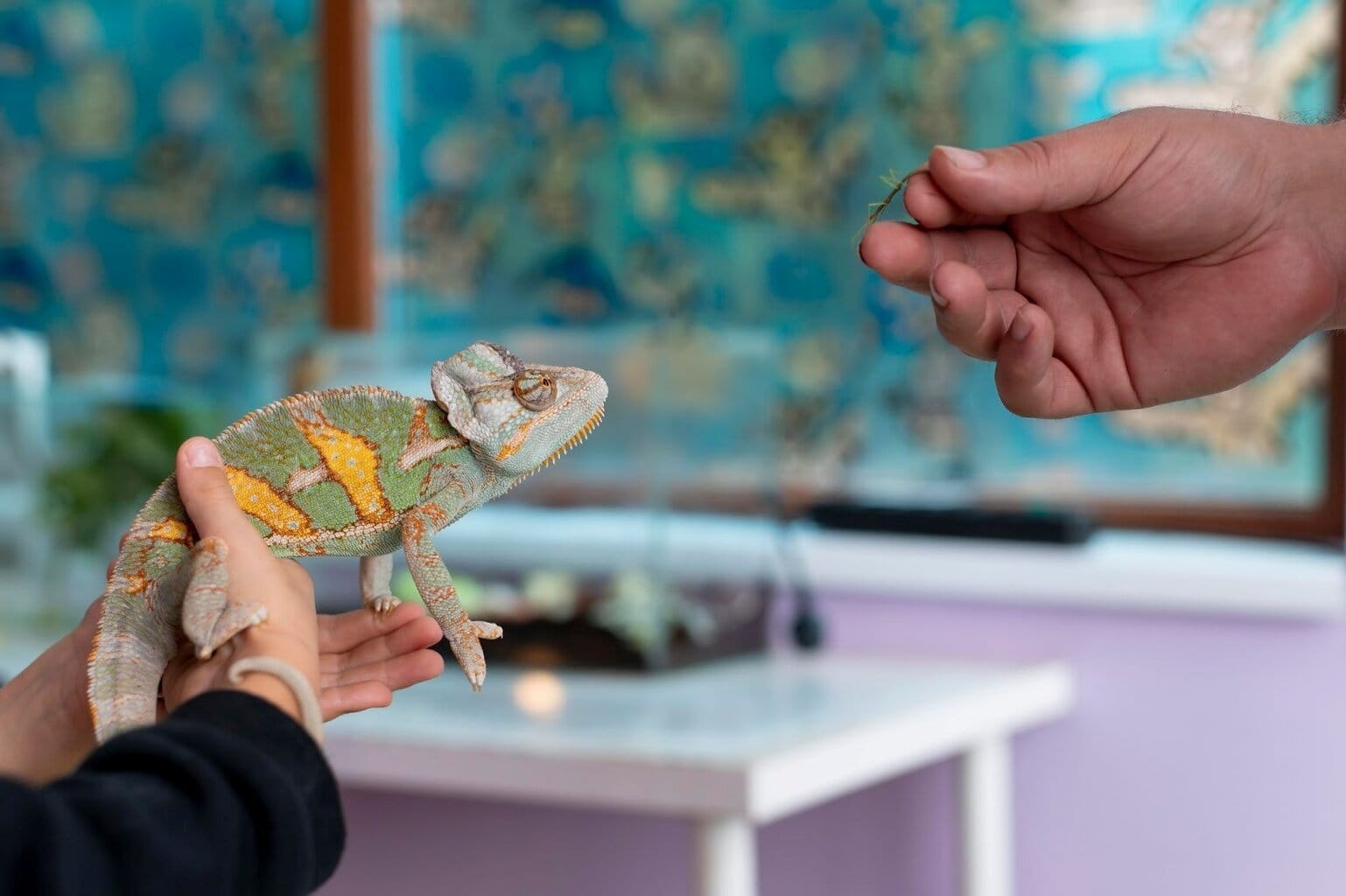
The Growing World of Exotic Pet Keeping
Something has changed softly and imperceptibly in how people think about pets. As well as the regular dogs and cats, there’s now a new type of companion animal concealed beneath thousands of household lids, scaled, silent, and descended from the very old tree of life. Reptiles are considered to be the fastest-growing group in the pet industry, as lizards, snakes, tortoises, and geckos are common pets in houses in every country around the world.
This new wave of attention toward a longstanding favorite is the result of true, sometimes profound, love for these animals. Reptile owners indeed often talk about the feeling of connection to the natural world their hobby fosters, a fascination with biology and behavior, and the subtle rhythms of a being so alien to us. That connection, at its best, can become something real: a promise to know not just the animal in front of you, but the larger ecological net that it is a part of.
Exotic pet care and responsibility: What do you need to do as an owner? Individual owners’ choices where they source animals, how they power their enclosures, what they feed their reptiles, and what they do when they can no longer keep them collectively impact the health of wild populations, the stability of local ecosystems, and even global efforts to save species. Responsibility in ownership begins with awareness, and awareness is something every keeper has.

Understanding the Environmental Footprint of the Exotic Pet Trade
Sustainable Reptile Stewardship: An Overview. Before discussing the care of reptiles in a sustainable manner, it is important to realize that the environmental considerations related to this hobby are not all negative.
The exotic animal trade, including reptiles, has long been heavily reliant on wild collection. There has been significant progress in captive breeding for many popular species, yet each year a sizable number of reptiles available in the market for pets are captured from the wild.
The environmental impacts of collection are well documented: reduced population densities in source areas; predator-prey cycles destabilized; habitat disrupted during capture; and introduction of disease into captive and wild populations.
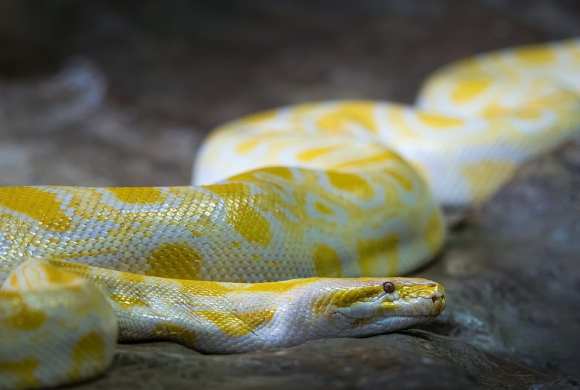
Just as troubling is the threat of invasive species. If you are trying to eradicate the threat of ecological disaster from invasive species of reptiles being released or escaping into the wild, you are facing a losing battle.
Florida’s Everglades have been overtaken by Burmese pythons, former pets that were released or escaped, and these giant snakes have wiped out native mammals and birds over a staggering swath of land. Red-eared slider turtles, once one of the most popular reptile pets in the world, are now invasive across Europe, parts of Asia, and Africa, competing with native freshwater turtle species for food and places to bask in the sun.
Also, there is a whole energy aspect to reptile keeping that never seems to make it into mainstream discussion. Heat mats, UVB lighting fixtures, thermostats, and humidity controllers are running constantly, many for 10 to 14 hours a day. Across millions of homes, the cumulative energy demand is hefty — and its environmental cost is tangible, albeit invisible at the scale of a single terrarium.
Responsible Ownership: The Choices That Matter Most
The most impactful environmental choice that a reptile owner makes is decided before they even bring the animal home: deciding where they obtain that animal. Captive-bred reptiles from reputable, transparent breeders are the most ethical way to enter the hobby.
They have never been captured from the wild, harbour fewer parasites and diseases than wild-caught animals, and are generally more suitable for life in captivity. Look for captive-breeding (and question breeders directly about their practices) it’s a small but strong form of environmental responsibility.
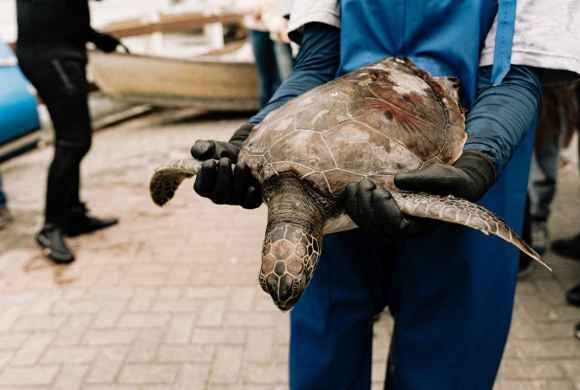
Reptile rescue and rehoming networks provide yet another way to be very helpful. Thousands of reptiles are turned in to rescue groups annually by owners who didn’t realize what they were getting into. When you adopt a rescue animal, you’re not only giving an existing pet a second chance, you’re preventing one more pet from being bred or imported to replace it.
Before you commit to a species, you owe it to yourself and the animal to do your homework. What is the animal’s life expectancy? A sulcata tortoise has a life span of up to one hundred years. How big does it get? Some monitors are longer than two metres. Is the species protected under CITES or considered threatened in the wild? These are not just policy questions; they form the basis of authentic, long-term stewardship.
Habitat and Lighting: Building an Enclosure That Works for Animals and the Environment
An enclosure is also a reptile’s home for life, where a keeper has the least opportunity to affect the environment daily. Habitat and lighting for the needs of the animal right for both of these are at once: optimal habitat provides healthy enclosures for animals, and energy-efficient enclosures would be those that avoid excessive energy use. Temperature gradients are a must.
Reptiles are ectotherms (cold-blooded) — they rely on their external environment to provide heat to regulate their body temperature. Each reptile enclosure needs a warm basking area and a cool hide to allow the reptile to thermoregulate naturally as it would in the wild. Ceramic heat emitters and deep heat projectors provide energy-efficient replacement solutions for traditional incandescent bulbs, but are at lower wattage while emitting the same heat.
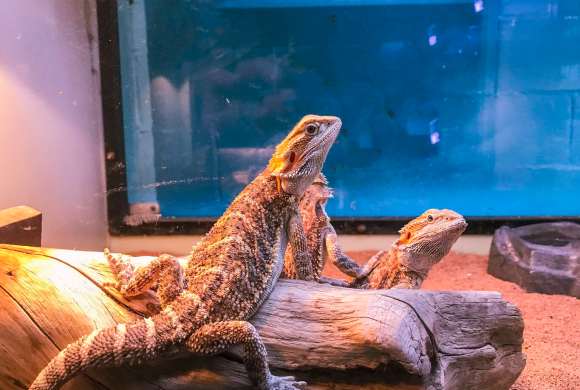
UVB lighting is just as important and just as subject to greener choices. For most species of reptiles kept as pets, especially those from open, sunlit habitats, biologically meaningful exposure to UVB radiation is required. This allows the skin to produce vitamin D3, which controls calcium absorption. And without it, you get metabolic bone disease with all the painful and irreversible results that come with that.
By investing in high-quality reptile UVB lighting solutions, you will ensure that your beloved animals are receiving the spectrum and intensity required by their physiology. However, with the advent of modern T5 fluorescent technology, reptile UVB lights of this output are now available for purchase more efficiently than the older lamp formats.
There is a cost, however, in placing more frequent demands on the animal welfare systems, which can be mitigated with good tools such as smart timers, energy monitors, and thermostat controllers. Lights and heat that are only on during appropriate biological hours all part of natural photoperiods, use less energy, and are more naturalistic for the reptile.
Insulating the enclosure, that is, using the right materials and not situating the vivarium against cold outside walls, lowers the heating demand needed to keep desired temperatures.
When it comes to enclosure décor, the green-thumbed keeper tends to be sustainable: commercially grown hardwoods rather than wild-sourced branches, plants from ethical nurseries rather than those from natural habitats, and pre-used/repurposed enclosures as much as possible over new ones.
Sustainable Care Habits Worth Building
Good reptile care is not a one-time decision; it is the outcome of a person’s regular, thoughtful behaviors accumulated over a matter of years.
Unearthed: How to source mealworms sustainably! Many reptiles can eat insects as a healthy and natural diet, but how those insects are raised is a consideration. Those vendors who employ energy-efficient production, low(er) chemical inputs, and responsible waste management are preferable to those that do conventional, resource-intensive production. Dubia roaches and black soldier fly larvae in particular have been touted as having an extremely low environmental impact when compared with their nutritional value.
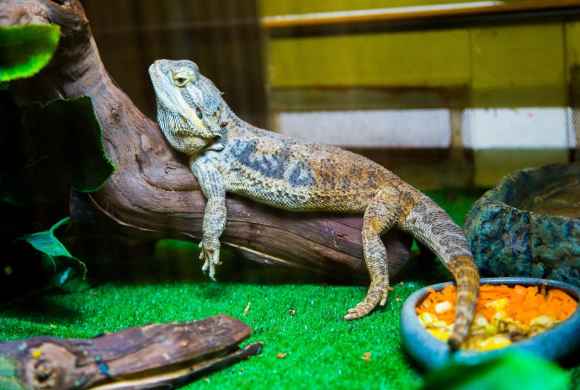
Substrate choice invites intentionality, as well. Organic Topsoil blends, dead leaf litter, and coconut coir harvested from trustworthy vendors are biodegradable, renewable, and suitable for use with burrowing animals. They offer a significantly better alternative to substrates that are made from non-renewable materials or extracted in an ecologically harmful manner.
Maybe the best sustainable practice to engage in is to keep learning. The science of reptile husbandry changes, conservation information evolves, and the moral terrain of the exotic pet trade remolds over the years. Keepers who are actively involved – with herp societies, conservation groups, and the broader rfe community – are more knowledgeable to make decisions that serve their animal and the ecosystem it originated from.
Taking good care of a reptile and taking care of the environment are not different goals. To the keeper who can stay true to both, they are one and the same.
Leave a Reply