

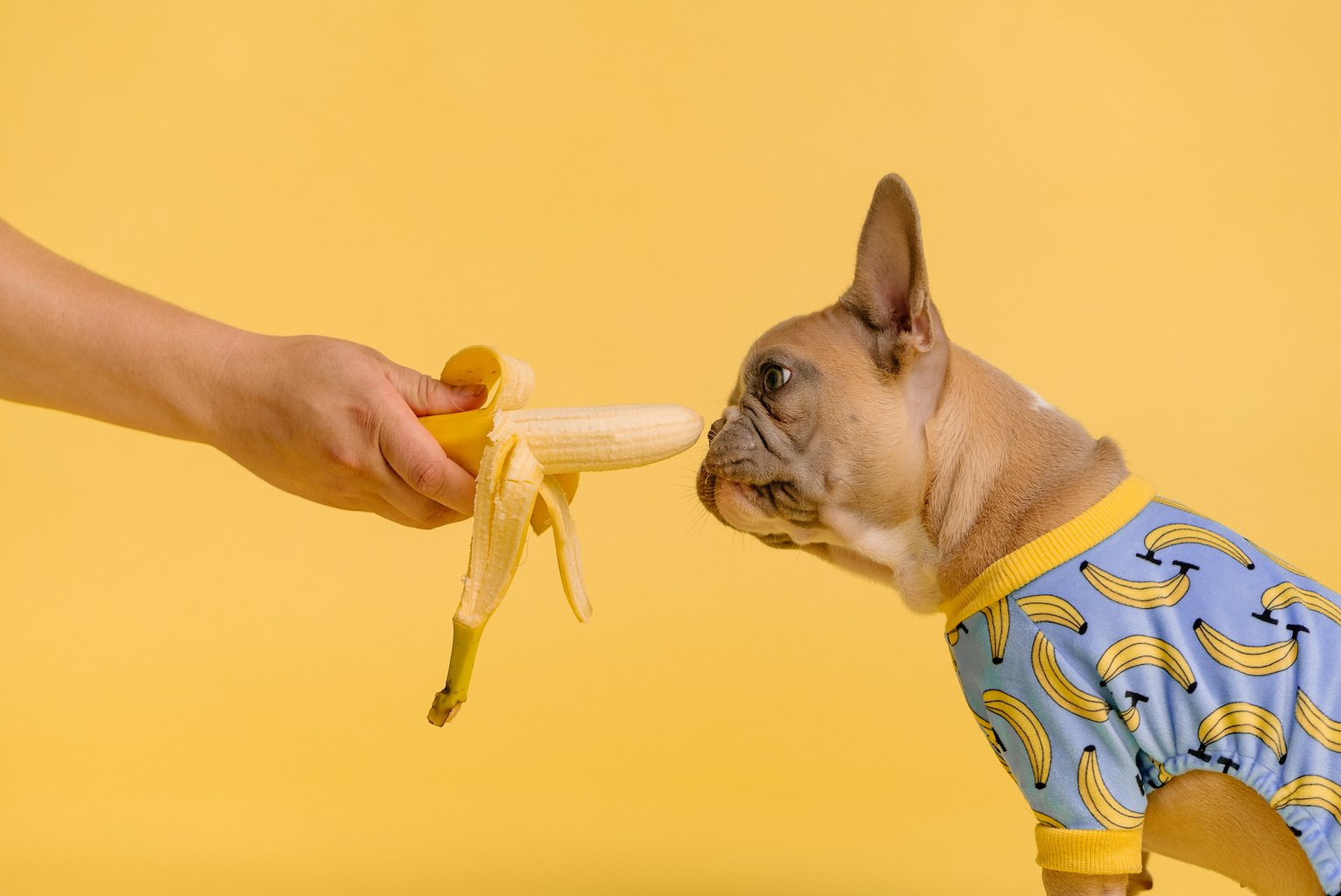
No matter what shapes, colors, and kinds, I think most people would agree with me that pets brighten up our lives.
For some types of pets, however, they can have a worrying environmental impact.
Some people might be very eco-conscious and make green choices in their lifestyle. But when it comes to pet ownership, such environmentally friendly choices could take a backseat.
It’s always good to explore ways to ensure more sustainable practices for our pets, especially nowadays.
If you are a pet lover and want to have a teacup puppy at your home, consider Foufou Puppies to buy one. Don’t forget that puppies can affect the environment. So, always look for sustainable practices to keep your pet’s care eco-friendly.
The first thing to do is a thorough examination of each pet’s dietary choices and accessories. It’s a proactive step towards minimizing their environmental impact.
Because in the USA alone, nearly 70 million dogs contribute to the environmental footprint (or should I say pawprint?). Most of the footprint comes from their daily necessities from waste bags to toys and food.
In 2022, the worldwide production of dry pet food reached approximately 35 million tons.
Specifically, cats consumed an estimated 5.9 million tons, while dogs took up a substantial 20.8 million tons.
Meat consumption by dogs and cats is a significant contributor to pets’ environmental concerns.
Environmental impact of pet food

As we know, common meat consumption takes higher energy, land, and water requirements compared to plant-based alternatives.
University of California Los Angeles (UCLA) research reported that meat-based diets of dogs and cats in the USA are concerning.
Such diets result in about 64 million tons of CO2 emissions annually. That’s equivalent to the environmental impact of 12.5 million cars driving for a year, the research suggested.
Furthermore, a study from the University of Edinburgh found another concerning discovery.
It reveals that we need an area twice the size of the UK to produce dry food for the global cat and dog population.
Peter Alexander, a global food security expert at the University of Edinburgh, observed an issue in the humanization of pet food.
Nowadays, pet owners consume more animal products, contributing to elevated emissions.
Also, there’s a lack of transparency in pet food labelling. That makes it challenging for consumers to be aware of the environmental impact of their choices.
Hence, transitioning to sustainable alternatives is a wise choice for the planet.
But, the big question is… how? A study has revealed that feed alternatives don’t give the right nutrition for cats and dogs.
So what, do we force our pets to evolve? Do we just rob them of the important and necessary nutrients?
Well… Not all going-sustainable-pet-ownership practices involve changing diets.
Here are some ideas for you based on the types of pets.
Mind you, I can only offer insights for 3 kinds of pets, as cats and dogs are the most popular ones.
But I found a video about how to make a reptile cage more environmentally friendly here.
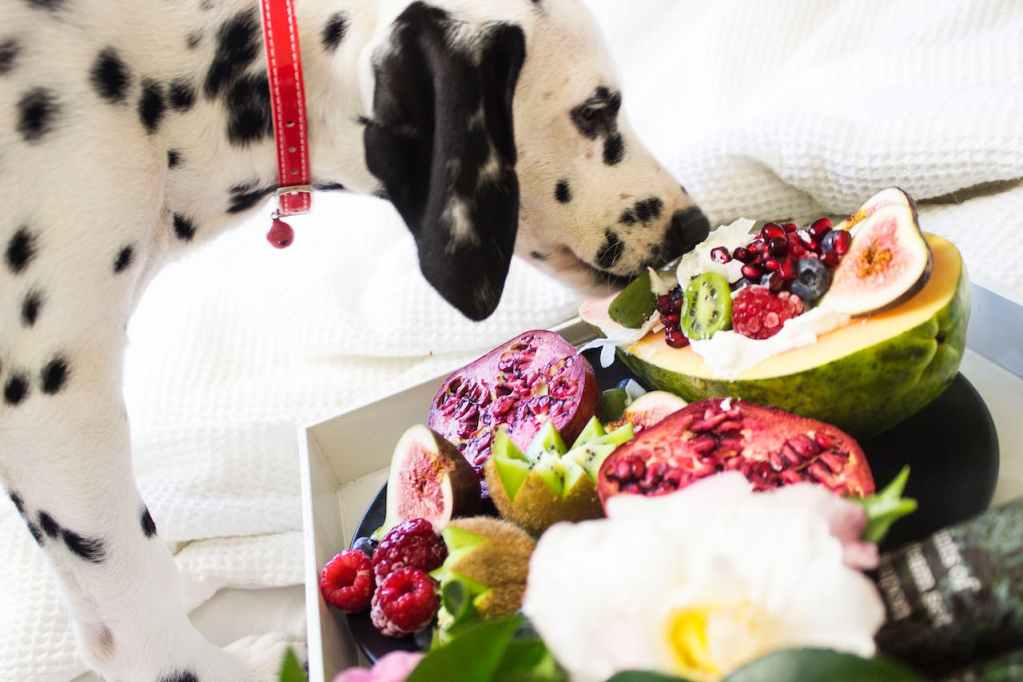
Having dogs responsibly
According to Maastricht University experts, an average-sized dog’s lifetime carbon emissions could surpass 19 tons. That’s similar to driving 50,000 miles—twice the Earth’s circumference.
As dog owners, we can choose protein sources with lower carbon footprints. Lamb and beef emit four times more CO2 than alternatives like pork, poultry, and fish
Currently, the pet food industry has a new, rising star: insect-based protein.
Jiminy’s is an example. The US-based company makes dog food from crickets and black soldier fly larvae.
Insects have high nutritional value, providing essential proteins, fats, minerals, and amino acids.
That’s why even us humans begin to consume insect-based protein, as well.
However, despite the potential benefits, there are concerns about allergies.
Like humans, dogs can develop insect allergies, too. Some even have several sensitivities that require them to be on a strict, meat-based diet.
Now, there are some plant-based foods out there for dogs. But as I mentioned, the benefits of them are debatable.
A 2022 study suggests health advantages for dogs on vegan diets. But at the same time, it still raises concerns about their nutritional adequacy.
Moreover, British Veterinary Association remains cautious about them.
It’s best to consult a vet (or several vets for additional opinions) before changing your dogs’ diet. Some dogs with allergies thrive with vet-approved, fish-based hydrolyzed dry food.
In such cases, you may also consider vet-recommended options like Nature’s Blend by Dr. Marty. It combines freeze-dried meats, fruits, and vegetables to promote better digestion, increased energy, improved joint health, and enhanced immunity.
Toys and waste
But as I said, changing diets isn’t the only practice to be a sustainable pet owner.
Environmental consciousness extends to pet accessories. Poo bags are a staple for dog owners, but they pose ecological challenges.
There are compostable bags available nowadays. Eco-conscious owners might think that they’re better for the environment.
Some experts, however, argue that such bags aren’t exactly green. Compostable bags need specific disposal conditions to actually work.
The experts instead suggested recycled plastic bags. They said that these bags have 86% lower carbon footprint than virgin plastic—making them a more sustainable choice.
Other than that, alternative waste management solutions include composting with a worm farm or utilizing innovative options like bio-digesters.

Making cat-owning eco friendly
According to experts, cats emit over three tons of carbon in their lifetime.
In another perspective, that number is equivalent to the amount absorbed by 150 trees growing for a year.
Let’s start from the frequently overlooked aspect: cat litter.
Kitty litter kinds, particularly the traditional clay one and silica variant, have raised environmental concerns for a long time.
Both of them are strip-mined minerals, contributing to environmental degradation. And, none of them are biodegradable.
There are alternatives to that like bio-based litter made from materials like corn, wheat, and wood flakes.
Some experts argue that its production and transportation still generate emissions. However, there’s not enough data on this aspect to make a solid conclusion.
I personally would argue that the current greener alternatives are better than nothing at all. It’s the least we could do to make cat-owning more eco-conscious.
But perhaps the most pressing issue from having cats is their behavior. Cats are opportunistic hunters, and they love hunting.
In the UK alone, pet cats have brought home significant numbers of prey. Cats have hunted about 57 million mammals, 27 million birds, and five million reptiles and amphibians in just five months.
While in the USA, the number is more significant. There, cats are responsible for up to 4 billion birds, 22.3 billion mammals, 822 million reptiles, and 299 million amphibians.
This makes domestic cats a leading cause of human-related mortality for birds and small mammals in the country.
There are efforts and strategies to mitigate this impact. Some owners have put on collars that warn birds, limited outdoor time, and had more playtime indoors.
These practices have yielded positive results. However, cats are not all the same, and therefore the effectiveness may vary.

No veganism for cats, no plastic toys
Now, cats are obligatory carnivores—they need taurine to survive.
There are studies about vegan diet for cats, but there’s limited evidence on the health outcomes.
So, experts believe that a practical approach involves transitioning to an insect-based diet.

This not only aligns with their dietary needs but also offers a scentless alternative compared to traditional fish-based options.
Moreover, some argue that the cost of insect-based food, such as soldier fly-based kibble is more pocket-friendly. The insect-based ones can be only marginally more expensive than conventional options.
While there are interesting cat or dog toys we see when we go shopping, they’re mostly made from plastic.
So, not purchasing them can be a good start to be more eco-friendly.
Besides, cats might be more interested in cardboard boxes or crumpled paper than actual toys, right?
You can find some DIY ideas for dogs and for cats.

Chickens in the homestead
Chickens are thankfully omnivores, and to be eco-friendlier, we can give them scraps from the kitchen.
So, if we have them in the backyard, we can help reduce food waste that way.
Moreover, the food waste will turn into eggs! And it’s not just ordinary eggs, ones that don’t need shipping or transporting at all.
Now, you can give them special chicken feed, of course. However, conventional chicken feed often contains soya. Soya’s been truly helpful for vegetarians and vegans as well, but lately, it’s been linked to deforestation.
So, if you want to be extra environment-friendly with your chicken feed, read the label. Choose one that’s soya-free, organic, and made from all natural ingredients including wheat, maize, seaweed and marigold.
Furthermore, you can make your chickens’ home greener. Choose wood shavings that are FSC approved in the coop.
The label means that the shavings are made from wood from responsibly managed forests.
If that’s too expensive or too far (consider transportation emissions), we can opt for foraged bedding. It means that we switch shavings with dried leaves and grass.

What about not having pets at all?
“If it’s not eco-friendly to have pets, should we just not have them at all?”
The answer, of course, is up to you.
Having pets has multifaceted benefits. Pets offer us companionship as well as therapeutic, physiological, psychological, and psychosocial advantages.
For instance, dogs can promote fitness and provide unwavering love.
Chickens can give us rich protein from their eggs while reducing food waste.
Cats… well, cats are cats, if you know what I mean. But as a cat mom, I’d still argue that they give psychological benefits.
Having pets around may not make our eco-friendly lifestyle perfect, but when is it ever?
I personally think that what matters is that we keep trying to be environmentally responsible in ways we can. After all, pets have become a part of our everyday life.
Source:
https://www.bbc.com/future/article/20231115-how-i-made-my-pets-more-environmentally-friendly
Leave a Reply