


All technology uses up resources and energy when it’s manufactured, operated, and disposed of. For something that has become so intertwined in our daily lives, powering smartphones, laptops, cameras and even our homes, it’s easy to get caught up in the euphoria of how beneficial they are and overlook the fact that they all come at a cost to our planet.
However, reaping the benefits of devices that make our lives easier and more connected, while minimizing their environmental impact, may be easier than you might expect. Let’s explore some of the environmentally friendly ways to use technology that aligns with Earthbuddies.net’s mission of promoting green living and encouraging everyone to take action for the planet.
Embrace Conscious Consumption

One of the most effective ways to be eco-friendly with your tech is to make conscious purchasing decisions. Before buying a new smartphone, laptop, or other device, ask yourself whether you truly need it.
If so, consider buying refurbished or used devices first of all. Purchasing pre-owned technology extends the life of existing products while reducing the demand for manufacturing new ones. Consider buying a used digital camera and either selling or trading an older one, to encourage circularity and reuse with other like-minded people. This will significantly reduce your environmental footprint compared to buying a brand-new model, not to mention save you money and combat the growing issue of electronic waste (e-waste).
Where possible, look for more energy-efficient products, such as those with energy-saving features and ENERGY STAR certificates. These products consume less power, thus helping you preserve more energy and reducing your carbon footprint.
Extend Your Devices’ Lifespan

A key factor in preserving energy with technology is extending the lifespan of the devices you use and own. It’s a simple yet effective solution, which can be achieved in various ways such as using eco-friendly phone cases and screen protectors made from recyclable or biodegradable materials, maintaining and maximizing your battery life, and keeping your software updated.
Where possible, repair instead of replacing your devices. Technology invariably goes wrong and breaks, but instead of opting for a replacement straight away, look into feasible repair options. Many issues can be fixed, often at a fraction of the cost of a new device, while minimizing the environmental impact of buying said new one.
Optimize Your Devices for Long-Term Usage

How you use your technology can also play a vital role in its overall energy consumption and carbon footprint. Consider the following recommendations:
- Adjust your device settings to use power-saving features, such as dimmer screens, reduced refresh rates or sleep timers, to conserve energy during and after use.
- Unplug and power down your devices when not in use. They continue to use power even when they’re not being used, so consider turning them off completely and unplugging them overnight or when you’re away.
- Use WiFi instead of mobile data as this uses far less energy than cellular data.
- Regularly declutter your devices by deleting unnecessary files, apps, emails, and more. This can free up storage and improve performance while reducing server and storage load.
Responsible E-Waste Management

There will inevitably come a time when buying new technology is the only feasible option. We’re not suggesting that you not upgrade or replace at all, but rather consider doing so responsibly.
Many electronics contain valuable recyclable and reusable materials and components. Consider finding a local e-waste recycling facility or program near you that will accept unused and old devices that you don’t need anymore. They will ensure that they can be appropriately recycled or disposed of.
Another satisfying option for upgrading your old devices is to donate them to charities, schools, or community organizations. This ensures that your old – but still workable – technology can end up in the hands of people who don’t always have the means of accessing newer tech.
What Next?
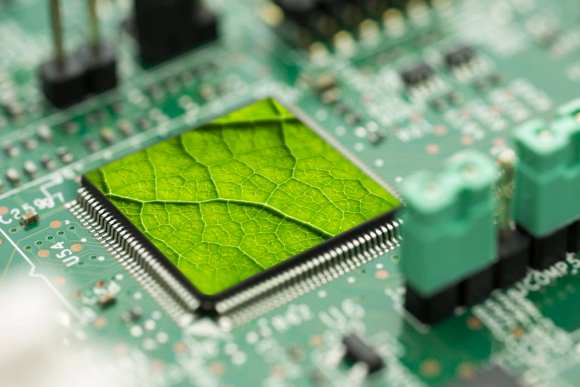
These are just some of the ways that you can give back to your community and the planet in sustainable and enriching ways with your technology recycling or repurposing.
Looking ahead, the intersection of technology and sustainability promises exciting new things. Advances in solar, wind, and renewable energy technologies are making clean energy more accessible for powering our devices and homes, while researchers are constantly looking into biodegradable electronics and exploring innovative uses for recycled materials in manufacturing technology.
Over time, we can expect to enjoy using modern technology more comfortably and sustainably. Nevertheless, that doesn’t mean we should wait for groundbreaking new changes to happen; we all have a part to play in minimizing our impact on our planet’s finite resources and beautiful environment.
Remember that every action – however small or seemingly insignificant – counts. Even if you’re choosing to buy a refurbished device, donating an old one to charity, or optimizing your energy settings, you’re playing a vital part.
Leave a Reply