


In today’s automotive market, the decision between purchasing an electric car or a gasoline car is becoming increasingly significant. As more manufacturers offer both types of vehicles and the debate on sustainability intensifies, it’s essential to understand the key differences, benefits, and drawbacks of each option. Whether you are exploring cars for sale or simply evaluating future possibilities, this guide aims to provide comprehensive insights to help you make an informed decision.
Environmental Impact

One of the most compelling arguments in favor of electric vehicles (EVs) is their potential to reduce environmental impact. EVs produce zero tailpipe emissions, which means they do not contribute directly to air pollution or greenhouse gas emissions. This is a stark contrast to gasoline cars, which emit significant amounts of carbon dioxide (CO2) and other pollutants.
However, the environmental benefits of EVs extend beyond just the absence of tailpipe emissions. The production and disposal of batteries do have environmental costs, but advancements in recycling technologies and the increasing use of renewable energy sources for electricity generation can mitigate these impacts. On the other hand, gasoline cars’ dependence on fossil fuels means their environmental footprint will always be tied to the extraction, refining, and burning of oil.
Cost of Ownership
When considering the cost of ownership, it’s important to look at both the initial purchase price and the long-term expenses. Historically, electric cars have had higher upfront costs compared to their gasoline counterparts, primarily due to the expensive battery technology. However, as battery costs decrease and government incentives for EV purchases increase, the price gap is narrowing.
Over the long term, electric cars tend to be cheaper to maintain. They have fewer moving parts than gasoline engines, which means fewer components can wear out or need replacement. Additionally, the cost of electricity for charging an EV is generally lower than the cost of gasoline. Various studies suggest that the total cost of ownership of an electric vehicle over its lifetime can be lower than that of a gasoline vehicle, especially when considering fuel savings and reduced maintenance costs.
Performance and Driving Experience

Performance is another area where electric and gasoline cars differ significantly. Electric vehicles are known for their instant torque, which provides quick and smooth acceleration. This makes EVs particularly appealing for urban driving, where stop-and-go traffic is common. Many drivers also appreciate the quiet operation of electric cars, which contribute to a more serene driving experience.
Gasoline cars, on the other hand, often offer a broader range of models with different performance characteristics. Sports cars with powerful internal combustion engines can deliver a thrilling driving experience with high horsepower and speed. Furthermore, the extensive infrastructure for gasoline refueling makes long-distance travel more convenient in gasoline cars, although the network of electric vehicle charging stations is rapidly expanding.
Range and Refueling
Range anxiety, the fear that an electric vehicle will run out of charge before reaching its destination, remains a significant concern for many potential EV buyers. Despite advancements in battery technology, most electric cars still offer a range that is less than that of gasoline cars. However, the latest EV models are increasingly offering ranges that exceed 300 miles on a single charge, making them more viable for longer trips.
Charging an electric vehicle can also take longer than refueling a gasoline car, although this is changing with the development of fast-charging technologies. While a gasoline car can be refueled in a matter of minutes, an electric car may require several hours to charge fully at a standard charging station. Fast chargers can significantly reduce this time, but they are not as widely available as traditional gas stations.
Infrastructure and Availability

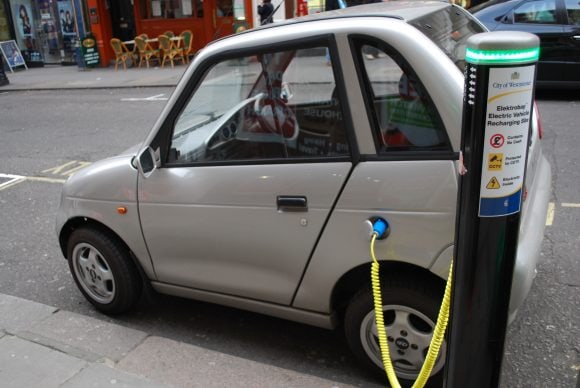
The availability of charging infrastructure is a critical factor in the adoption of electric vehicles. In many regions, especially urban areas, the number of public charging stations is increasing rapidly. Home charging solutions also provide convenience for EV owners, allowing them to charge their vehicles overnight. However, in rural or less developed areas, the lack of charging stations can still pose a challenge.
Gasoline cars benefit from an extensive and well-established refueling infrastructure. Gas stations are ubiquitous and provide quick and easy refueling options, making gasoline cars more practical for long journeys and in areas where charging infrastructure is limited.
Resale Value and Market Trends
The resale value of electric cars has historically been a concern due to rapid advancements in technology and the depreciation of battery life. However, as EV technology stabilizes and becomes more mainstream, the resale value of electric cars is expected to improve. Moreover, growing environmental awareness and governmental policies supporting EV adoption are likely to boost demand for used electric vehicles.
Gasoline cars traditionally have had a more predictable depreciation curve, with numerous models holding their value well over time. However, as market trends shift towards sustainability and with potential future regulations on emissions, the resale value of gasoline cars may decline in the long run.
Conclusion
Choosing between an electric and a gasoline car depends on various factors, including environmental considerations, cost of ownership, performance preferences, range requirements, and infrastructure availability. For those seeking to minimize their environmental footprint and enjoy lower long-term costs, electric cars present a compelling option. Conversely, drivers who prioritize range, refueling convenience, and specific performance characteristics may find gasoline cars more suitable.
As you explore cars for sale, weigh the pros and cons of each type carefully. The automotive landscape is evolving, and both electric and gasoline cars have their unique advantages. Making an informed decision will ensure that your choice aligns with your personal needs and values, paving the way for a satisfying driving experience.
Leave a Reply