

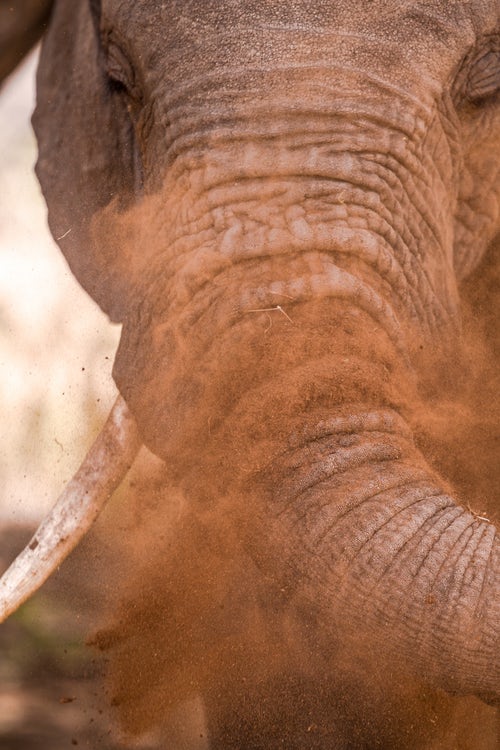
The Congo Basin in Africa is like a hidden treasure chest. Inside, there’s a huge rainforest that acts like the Earth’s lungs, breathing in bad stuff and giving us clean air. Now, elephants are the gardeners of this rainforest. They munch on plants and make holes in the forest roof, letting in sunlight. Sunlight helps plants grow and clean even worse stuff from the air.
But here’s the thing: elephants need a special treat called a “salt lick” to stay healthy. It’s like their favorite restaurant. When they can’t find it, it’s like your ice cream shop closing down. So, the story is about how elephants, the rainforest, and salt licks are all connected, and we need to protect their home in the Congo Basin.
The Congo Basin

The Congo Basin is an extraordinary place on our planet, and it’s special for several important reasons. Imagine it as a hidden treasure chest in the heart of Africa, holding priceless gems for our environment and the future.
Firstly, the Congo Basin is home to one of the world’s largest and most diverse tropical rainforests. Think of this rainforest as the lungs of our planet. It breathes in carbon dioxide, a greenhouse gas that can warm the Earth, and breathes out oxygen, which we need to breathe. So, it helps keep our planet healthy by capturing carbon and providing us with clean air.
But that’s not all. The Congo Basin’s rainforest is a biodiversity hotspot. It’s like a bustling city for plants and animals, with countless species living there, many of which can’t be found anywhere else on Earth. This diversity is crucial for maintaining a balanced ecosystem and for scientific research to discover new medicines and technologies.
Now, here’s where elephants come in. The Congo Basin is their home, and they’re like the architects of this incredible place. They create clearings in the forest, allowing sunlight to reach the ground. This sunlight is essential for plants to grow, capturing even more carbon from the atmosphere. So, the elephants are not just magnificent creatures; they’re ecosystem engineers, helping the rainforest thrive.
Elephants in Congo Basin

Just like mentioned briefly above, elephants play a vital role in boosting carbon capture in the Congo Basin’s lush forests. To understand how they do this, let’s imagine the forest as a giant sponge that soaks up carbon dioxide, a greenhouse gas that contributes to global warming. The more carbon dioxide the forest soaks up, the better it is for our planet.
Now, think of elephants as the gardeners of this forest sponge. They have a unique way of tending to it. You see, these large animals love to munch on plants and trees. When they do this, they create openings in the dense forest canopy. These openings allow sunlight to filter through and reach the forest floor.
Why is sunlight important? Well, sunlight is like the magical ingredient that helps plants grow. When sunlight touches the forest floor, it awakens dormant seeds and encourages the growth of new plants. These plants are excellent at capturing carbon dioxide from the air during photosynthesis, a natural process where they convert carbon dioxide into oxygen and store carbon in their tissues.
So, the more sunlight that reaches the forest floor, the more plants grow, and the more carbon dioxide is pulled out of the atmosphere and stored in the forest. It’s like the elephants are helping the forest breathe and stay healthy.
What is Salt Lick?

A salt lick is like a special spot in the wild where animals, including elephants, go for a particular treat. Imagine it as a natural spa or a buffet for animals. So, what’s so special about it?
At a salt lick, there’s something that animals crave: salt and minerals. Just like how we humans need certain nutrients to stay healthy, animals need minerals like salt to keep their bodies functioning properly. These minerals are vital for things like muscle function, fluid balance, and overall well-being.
Now, you might wonder why animals can’t get enough salt and minerals from their regular food. Well, in the wild, it can be challenging to find a concentrated source of these essential nutrients. That’s where the salt lick comes into play.
A salt lick is typically a place where minerals from underground deposits naturally come to the surface. These minerals include not only salt but also other important elements like calcium, magnesium, and phosphorus. Animals are drawn to these spots because they instinctively know that licking or consuming these minerals can help them stay healthy.
For elephants, salt licks are particularly important. They require a lot of salt due to their large size and active lifestyles. So, they visit salt licks to replenish the salt and minerals they lose through their diet and activities.
A salt lick is like a natural health center for animals. It provides them with the essential minerals they need to thrive in the wild, and it’s a crucial part of their diet and well-being.
The Favorite Restaurant

In the Congo Basin, elephants are confronting significant challenges. Their lush forest homes are under threat from various human activities, and this endangers both the elephants and the ecosystems they inhabit.
One major challenge is habitat loss. As people expand farms and settlements, they often clear land by cutting down trees, reducing the available space for elephants and disrupting their natural habitats. Poaching is another critical issue. People illegally hunt elephants for their valuable ivory tusks, putting these creatures at risk and harming their populations.
And about their salt licks, these are essential for elephants because they provide crucial minerals. As deforestation and human activities shrink their habitats, elephants struggle to access these salt licks, which may become isolated or destroyed.
Think of it like your favorite grocery store disappearing. Just as you’d have trouble getting essential supplies, elephants find it difficult to obtain the minerals they need for their well-being when they lose access to salt licks due to habitat loss.
To ensure the health and survival of these magnificent creatures in the Congo Basin, we must address the pressing challenges of habitat loss and poaching while safeguarding their access to vital salt licks.
Sources:
Leave a Reply