


Small changes in building design can have a big impact on energy efficiency. Floor doors are one detail that shouldn’t be overlooked.
While insulation and windows are often highlighted, energy-efficient floor doors are important in controlling temperature, blocking drafts, and reducing heat loss or gain in basements and crawl spaces.
In this article, we’ll explore how energy-efficient floor doors improve building performance, support sustainable practices, and help lower energy costs over time.
The Importance of Sustainable Building Practices
Sustainable building practices focus on creating energy-efficient, environmentally friendly, and cost-effective structures. These approaches reduce a building’s environmental impact and offer significant long-term benefits for both owners and occupants.
Here are some of the reasons why they are important:
- Lower Operating Costs: Incorporating energy-efficient materials, renewable energy systems, and proper insulation reduces the energy required for heating, cooling, and daily operations. This leads to lower utility bills and long-term savings.
- Reduced Environmental Impact: Sustainable buildings minimize energy consumption and use eco-friendly materials, helping to lower greenhouse gas emissions, conserve resources, and reduce waste. This supports a greener, more sustainable future.
- Improved Indoor Comfort: Proper insulation, energy-efficient systems, and airtight designs maintain consistent indoor temperatures. They also enhance air quality, creating a more comfortable environment for building occupants.
What are Energy-Efficient Floor Doors?
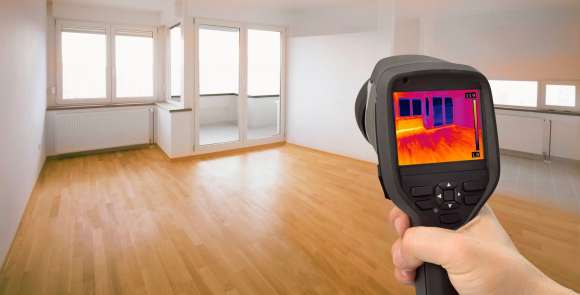
Energy-efficient floor doors, such as the A-FPS – aluminum floodtight floor door, are specialized access doors designed to minimize energy loss. They provide sealed, insulated entry points to areas like basements, crawl spaces, mechanical rooms, and attics.
Unlike standard floor doors, these are built with materials and features that help regulate temperature, block drafts, and reduce the energy needed to heat or cool spaces.
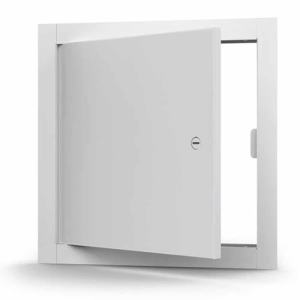
Key features of energy-efficient floor doors include:
- Insulation Materials: Materials like polyurethane or mineral wool prevent heat transfer, helping to maintain stable indoor temperatures.
- Weatherstripping and Airtight Seals: These features block air leaks, preventing drafts that can waste energy.
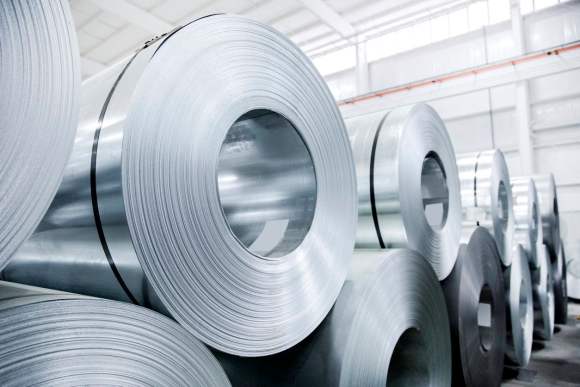
- Durable Materials: Galvanized steel or aluminum provides strength and durability while supporting the insulation for long-lasting performance.
Benefits of Energy-Efficient Floor Doors for a Greener Building
Here are some benefits of energy-efficient floor doors for creating a greener building:
- Reduced Energy Consumption: Insulated and sealed floor doors help maintain stable temperatures, reducing the need for excessive heating or cooling and leading to lower overall energy use.
- Lower Operating Costs: Energy-efficient floor doors help lower utility bills by minimizing heat loss or gain, making buildings more cost-effective to operate over time.
- Improved Indoor Comfort: These doors prevent droughts and help maintain consistent temperatures, ensuring a more comfortable environment for building occupants.
- Reduction in Carbon Footprint: Energy-efficient floor doors help lower greenhouse gas emissions by decreasing energy consumption, contributing to an eco-friendly building.
- Enhanced Building Efficiency: Well-sealed floor doors ensure that energy-saving systems, like HVAC, operate more efficiently by preventing energy waste.
- Long-Term Durability: Made from durable materials, energy-efficient floor doors reduce the need for frequent replacements, minimizing waste and extending the lifespan of building components.
- Support for Green Building Certifications: Installing energy-efficient floor doors can help buildings meet eco-friendly standards such as LEED or ENERGY STAR, aiding in obtaining green certifications.

How Energy-Efficient Buildings Affect the Environment
Let’s look at some of the ways energy-efficient buildings benefit the planet:
1. Reducing Greenhouse Gas Emissions
Energy-efficient buildings consume less power, meaning less energy needs to be produced. This leads to fewer greenhouse gases, such as carbon dioxide, being released into the atmosphere.
By using less energy, buildings help reduce pollution and contribute to cleaner air, positively impacting the fight against climate change.
2. Conserving Natural Resources
Fewer resources, such as water and energy, are required when buildings incorporate energy-efficient designs and materials from sustainable sources.
This helps conserve valuable resources, ensuring their availability for future generations and reducing environmental strain.
3. Minimizing Waste Generation
Durable design is a hallmark of energy-efficient buildings, leading to less waste during construction and daily use. By utilizing long-lasting materials and reducing the need for frequent replacements, these buildings significantly cut down on landfill waste and minimize environmental impact.
4. Reducing Urban Heat Island Effect
In cities, the urban heat island effect causes higher temperatures than in nearby rural areas due to heat absorbed by buildings and roads.
Energy-efficient buildings help reduce this effect through reflective materials and better insulation, keeping spaces cooler and preventing the need for air conditioning.
5. Supporting Renewable Energy Use
Many energy-efficient buildings incorporate renewable energy sources like solar panels or wind power. Their lower energy demand makes them better suited to cleaner energy options.
By shifting to renewable energy, these buildings reduce dependence on fossil fuels, minimizing environmental damage and promoting sustainability.

6. Improving Air Quality
Enhanced ventilation systems and high-performance air filters in energy-efficient buildings improve indoor air quality.
Cleaner indoor air leads to better living and working conditions while reducing pollutants released into the environment and improving health.

7. Encouraging Green Building Practices
Energy-efficient buildings promote sustainable construction practices, such as using recycled materials, reducing energy use during construction, and focusing on long-lasting solutions.
As more buildings adopt these practices, the construction industry moves toward greener practices, creating a positive ripple effect across the sector.

Conclusion
Energy-efficient floor doors play a key role in sustainable building practices. They help reduce energy loss, enhance indoor comfort, and lower utility bills. By preventing drafts and improving insulation, these doors make it easier to maintain stable temperatures and improve overall energy efficiency.
Incorporating energy-efficient floor doors into any building design is an effective and straightforward way to contribute to sustainability efforts while creating more energy-efficient, environmentally friendly spaces.
Leave a Reply