

Creating a sustainable vegetable garden is more than just planting seeds; it’s a commitment to growing fresh, healthy produce while protecting the environment. However, true sustainability requires thoughtful planning and the right tools.
Incorporating strategic garden structures can elevate your garden into a more productive and eco-friendly space. These tools help you maximize your garden’s potential, conserve essential resources, and protect your plants for optimal growth.
Here are some key garden structures that will help you build a sustainable system, supporting long-term success and environmental stewardship.
Raised Beds
Raised beds are a cornerstone of sustainable gardening, offering numerous benefits that help optimize plant health and productivity.
By elevating the soil above ground level, you gain precise control over soil composition, drainage, and temperature. This is particularly advantageous in regions with poor or compacted soil, as you can create a customized growing medium that meets the specific needs of your plants.

The raised design also improves drainage, preventing waterlogging, which can lead to root rot and other issues. Additionally, raised beds warm up more quickly in the spring, allowing for earlier planting and extending the growing season.
To further enhance sustainability, consider using reclaimed or recycled materials to construct your raised beds, reducing environmental impact.
Moreover, integrating compost into the soil mix ensures rich, organic content that supports healthy plant growth while minimizing the need for chemical fertilizers. You can also practice crop rotation within raised beds to help maintain soil fertility, preventing nutrient depletion and reducing the risk of disease.
Greenhouses
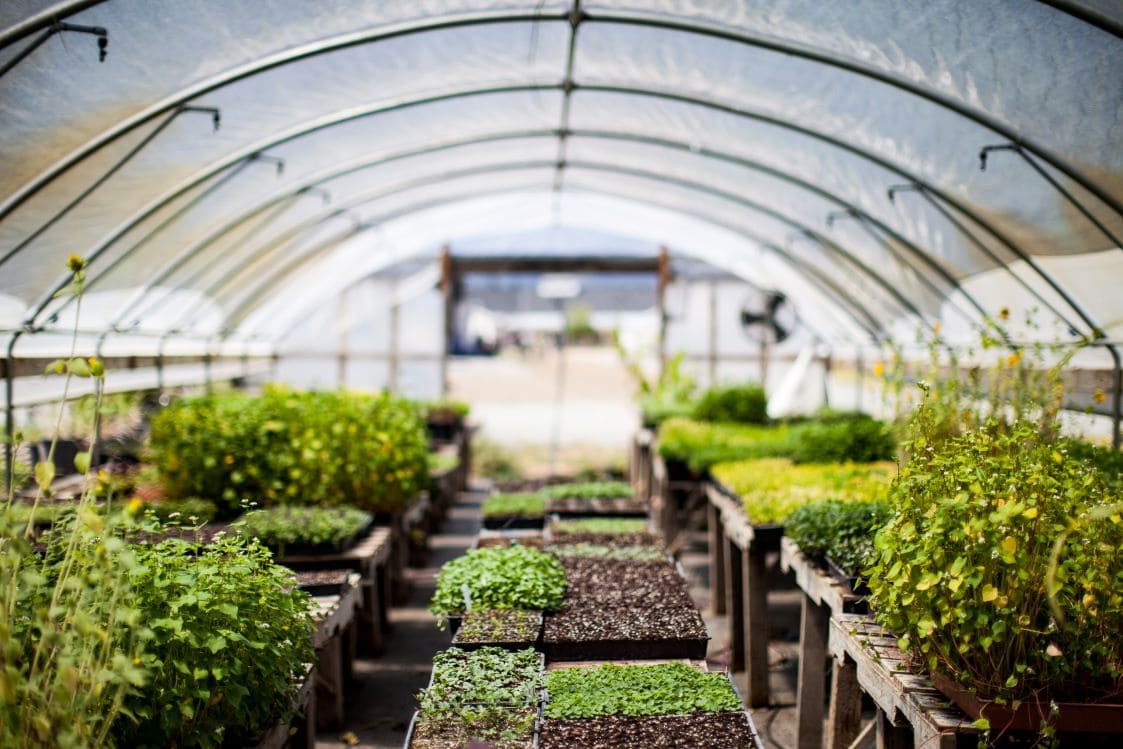
Greenhouses are indispensable for gardeners aiming to extend their growing season and maximize year-round productivity. They allow you to manipulate temperature, humidity, and light exposure to create ideal conditions for plant growth, regardless of the external weather.
This not only enables you to cultivate a broader range of crops but also reduces your reliance on out-of-season produce, which often requires long-distance transport and heavy use of preservatives. Greenhouses also offer protection against unexpected frost, which can devastate crops, particularly in unpredictable climates.
To enhance the sustainability of your greenhouse, consider installing vents or automatic vent openers to regulate temperature naturally, reducing the need for energy-intensive cooling systems. You can find these features in greenhouses from Garden Universe and other reputable stores.

Compost Bins
Compost bins are a fundamental component of sustainable gardening, turning kitchen scraps, yard waste, and other organic materials into nutrient-rich compost that enhances soil health and fertility.
By recycling organic waste, composting not only reduces the amount of material sent to landfills but also minimizes the need for synthetic fertilizers, which can harm the environment and degrade soil quality over time. It also plays a role in sequestering carbon in the soil, which helps mitigate climate change.

For effective composting, it’s important to maintain a balanced mix of green (nitrogen-rich) and brown (carbon-rich) materials, such as vegetable scraps, coffee grounds, leaves, and straw. Regularly turning the compost pile introduces oxygen, which accelerates the decomposition process and prevents odors.
Ensuring that all materials added to the compost are free from chemicals, such as pesticides or herbicides, keeps the compost organic and safe for your garden.
Trellises
Trellises are an excellent solution for maximizing space in your garden, particularly in small or urban areas where ground space is limited.
By training vining plants like tomatoes, cucumbers, beans, and peas to grow vertically, trellises help improve air circulation around the plants, reducing the risk of fungal diseases and pest infestations.
This vertical growth strategy also frees up ground space, allowing you to plant additional crops and increase overall garden productivity. Besides that, it makes it easier to monitor plant health and harvest ripe produce, reducing waste and improving efficiency.
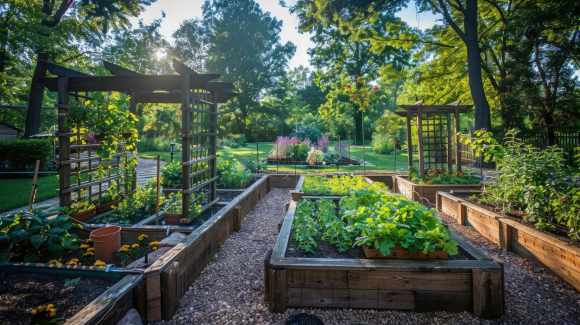
For sustainable trellising, consider building structures from durable, eco-friendly materials like bamboo or reclaimed wood, which minimize environmental impact. It’s also important to train plants to climb the trellis early in their growth to ensure strong, upward development.
Positioning trellises to maximize sunlight exposure is another key strategy, as it enhances photosynthesis and supports healthier, more robust plants.
Drip Irrigation Systems
Drip irrigation systems are a highly effective method for conserving water and ensuring that plants receive the precise amount of moisture they need to thrive.
Unlike traditional watering methods, which can result in significant water loss through evaporation and runoff, drip irrigation delivers water directly to the root zone of each plant, minimizing waste and promoting healthier growth.
Drip irrigation systems can also be easily automated, allowing for consistent, scheduled watering that reduces the burden on gardeners and ensures that plants are never under- or over-watered.

To optimize your drip irrigation system, consider installing a timer to water during the cooler parts of the day, such as early morning or late evening, which further reduces evaporation.
Regularly checking for leaks and blockages in the system is also essential to maintain its efficiency. Combining drip irrigation with mulching is another effective strategy, as mulch helps retain soil moisture and reduces the frequency of watering needed.
Rainwater Harvesting Systems
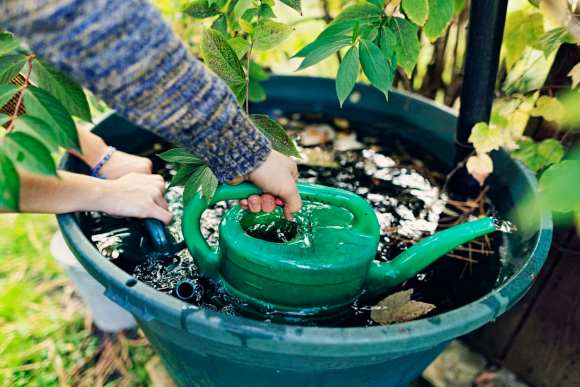
Rainwater harvesting is a sustainable practice that captures and stores rainwater for use in garden irrigation, reducing reliance on municipal water supplies and conserving this vital resource.
By utilizing rainwater, which is naturally soft and free of chemicals like chlorine, you provide your plants with an optimal water source that supports healthier growth. Harvesting rainwater also helps mitigate stormwater runoff, which can carry pollutants into local waterways, contributing to environmental preservation.
To maximize the efficiency of your rainwater harvesting system, consider installing filters on your rain barrels to prevent debris from contaminating the water. You can also elevate your barrels on a platform to create natural water pressure, making it easier to distribute water through a hose or drip irrigation system. Additionally, connecting multiple barrels together increases your storage capacity, ensuring a sufficient water supply during dry spells.
Shade Structures
Shade structures play a crucial role in protecting plants from excessive sunlight and heat, which can cause stress, reduce yields, and even lead to plant failure.
They moderate the amount of sunlight that reaches your garden and help create a balanced environment that supports healthy plant growth, particularly for cool-weather crops like lettuce, spinach, and herbs, which are sensitive to high temperatures.

Shade structures also reduce water evaporation, helping to conserve moisture in the soil and decreasing the frequency of watering needed, which is essential in dry or arid climates.
Additionally, shade structures can be used to create microclimates within your garden, allowing you to optimize growing conditions for different plants and extend the growing season.
For effective use, install adjustable shade cloths that allow you to control the level of sunlight based on the time of day or the season. Next, position shade structures strategically to protect plants during peak sunlight hours, and consider pairing shading with mulching to further enhance soil moisture retention.
Hoop Houses
Hoop houses, also known as polytunnels, offer a versatile and cost-effective way to protect your crops from harsh weather conditions, pests, and frost, while extending the growing season.
They retain heat and create a controlled environment, thus allowing you to start planting earlier in the spring and continue growing crops later into the fall, increasing your garden’s productivity.
Unlike permanent greenhouses, hoop houses are lightweight and portable, making them easy to move and adjust as needed, which is particularly useful for crop rotation or adapting to changing weather conditions.
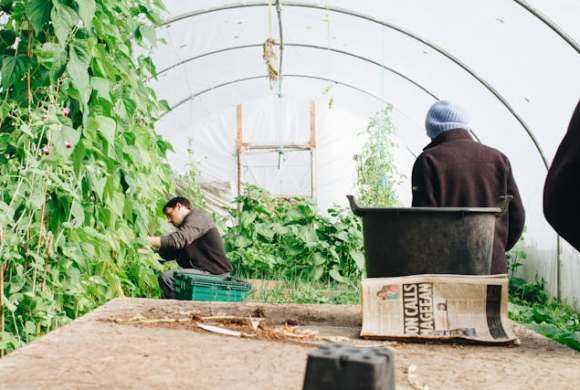
Hoop houses can also serve as a protective space for hardening off seedlings before transplanting them into the garden, ensuring that young plants are better prepared to withstand outdoor conditions.
For best results, use lightweight covers that allow good light penetration while providing adequate protection from the elements. Secure the hoop house against the wind to prevent damage, and rotate crops within the hoop house to maintain soil health and prevent the buildup of pests and diseases.
Final Thoughts
Incorporating key garden structures into your vegetable garden is a powerful way to enhance sustainability and boost your harvests. Whether it’s raised beds for better soil management, greenhouses for year-round growing, or drip irrigation systems for efficient water use, each structure plays a vital role in creating a thriving, eco-friendly garden.
By investing in them, you can enjoy a more productive garden while contributing to a healthier environment. With the right approach, your vegetable garden can flourish, providing you with fresh, homegrown produce for years to come.
Leave a Reply