

The environmental law has really been a backbone for ways in which governments and individuals might work toward protecting the health of the public from any kind of pollution, industrial activity, and negligent practices. These laws were designed with the sole aim of making sure that the air we breathe, the water we drink, and the land we live on are safe and viable for forthcoming generations.
With industries, agriculture, and urban development combined under one state, the need for robust legal frameworks and an environmental lawyer who could take polluters to task is urgent to represent and defend the communities affected. Here is a comprehensive guide to the critical role environmental law plays in protecting communities and ecosystems.
Environmental Challenges
Most of the environmental problems are imposed by its industrial hubs, agricultural fields, and sprawling cities. These jeopardize not only the health of residents but also the ecosystems that will sustain them:
Industrial Pollution
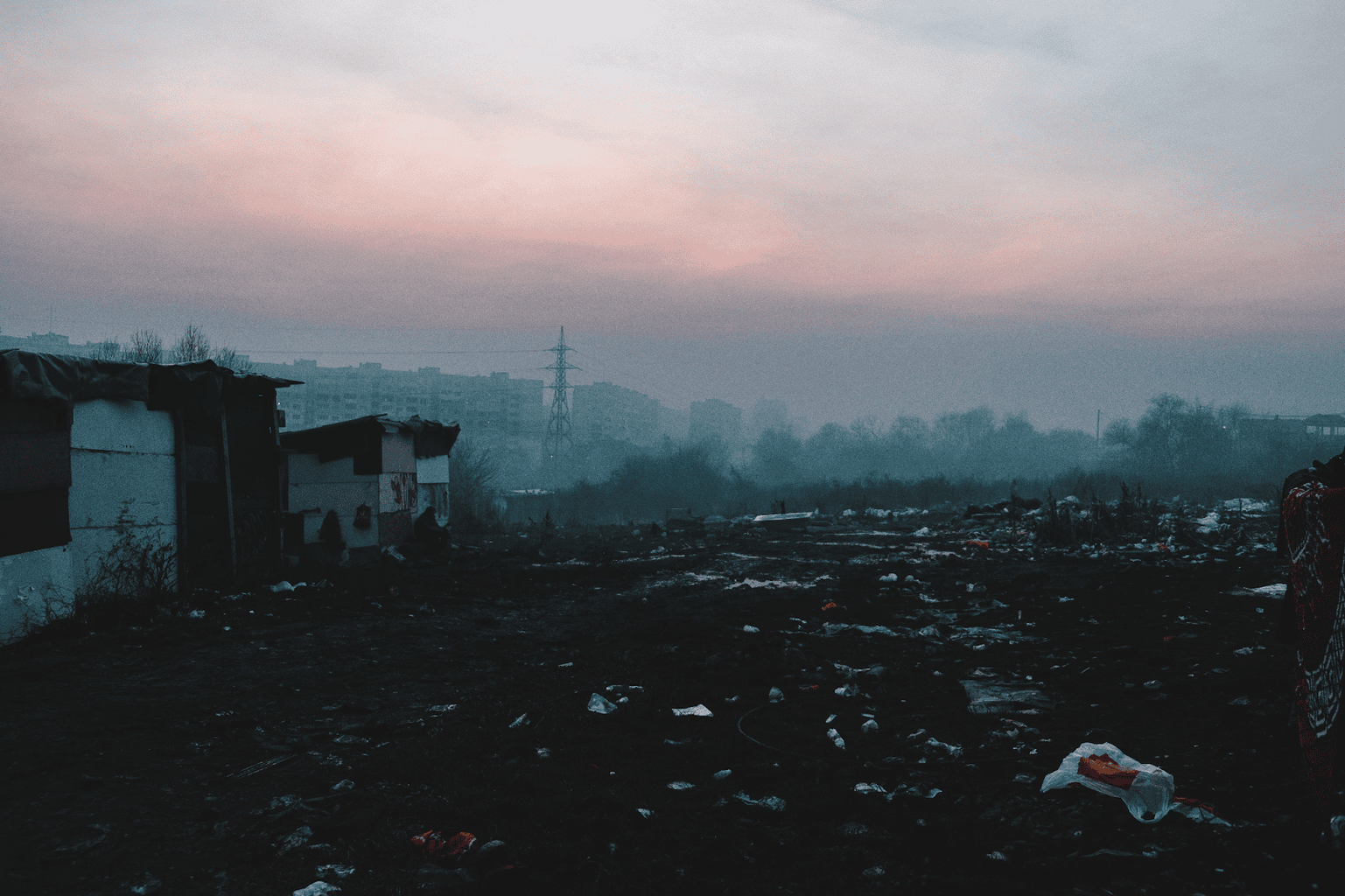
Many factories and manufacturing plants line the state, releasing harmful chemicals into the air, water, and soil. Specific contaminants include heavy metals, VOCs, and greenhouse gases that degrade air quality and create health conditions such as asthma, cancer, and cardiovascular disease. Smog and particulate pollution persist in urban areas like Chicago, although these are especially problematic to populations already vulnerable, such as children and the elderly.

Water Contamination
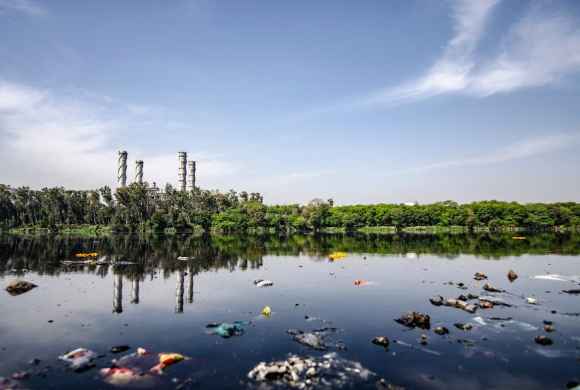
Water systems experience widespread contamination resulting from agricultural runoff, industrial discharge, and even crumbling infrastructure. The way in which chemicals such as nitrates from fertilizers and pesticides contribute to rivers and groundwater carries with it significant human health and aquatic ecosystem risks.
Furthermore, PFAS-or what are commonly referred to as the “forever chemicals”, are associated with severe health conditions, including but not limited to cancer and developmental problems.
Waste Management
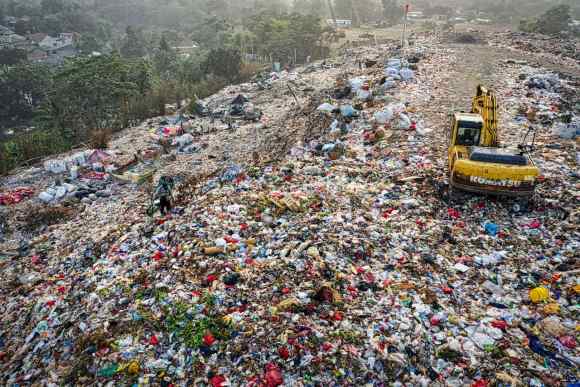
Improper disposal of hazardous wastes of industrial by-products or electronic wastes poses long-term environmental hazards. For example, landfills and illegal dumping sites release toxic substances to surrounding communities and further add to the environmental burden on low-income areas.
The point is that these are issues needing not only strong legal actions but also community advocacies spearheaded by professionals who understand the finer details of environmental regulations.
How Environmental Lawyers Stand for Justice
An environmental attorney is very important in imposing accountability and upholding the rights of individuals or communities against damage to the environment. This will be very useful to anybody as it can help with the complexities set by state and federal regulations and give justice to affected persons. Let’s look at how these attorneys can help stand for justice.
Legal Representation
Environmental lawyers act for individuals, groups, or communities against pollution and/or hazardous practices. A good example could be the case of a community supplied with contaminated drinking water seeking legal action against companies that caused the contamination. This kind of lawyer assists their clients to receive damages, cleanup of the polluted site, and perhaps more stringent regulatory jurisdiction to avoid future incidents.

Compliance and Advisory Services
Business entities have to follow the environmental set of laws to avoid legal fines and lawsuits. In this respect, the role of environmental lawyers can be seen in advising companies on matters concerning compliance issues, audits, and sustainability. They may advise on appropriate waste disposal methods or emission controls or water treatment policies to meet the requirements of the Clean Water Act or Clean Air Act.
Litigation and Enforcement
When environmental laws are violated, environmental lawyers file lawsuits to hold polluters accountable. Whether it’s a chemical plant illegally dumping toxic waste or a corporation failing to meet emission standards, litigation ensures that responsible parties are penalized and forced to take corrective action. This process often leads to better enforcement of environmental regulations and deters future violations.
Advocacy for Environmental Justice
Various environmental hazards, more often than no,t affect low-income communities or marginalized groups. Environmental lawyers often represent communities with unsafe drinking water, residences and schools near major industrial polluters, and communities lacking proper waste management. Lawyers work on behalf of vulnerable populations in an effort to bridge the gap between environmental protection and social equity.
Case Study: Water Contamination and Legal Action
One of the paramount environmental issues is water contamination. Incidents include, but are not limited to, lead leaching from aging pipelines or PFAS infiltrating water systems; these events show the urgency of legal intervention.
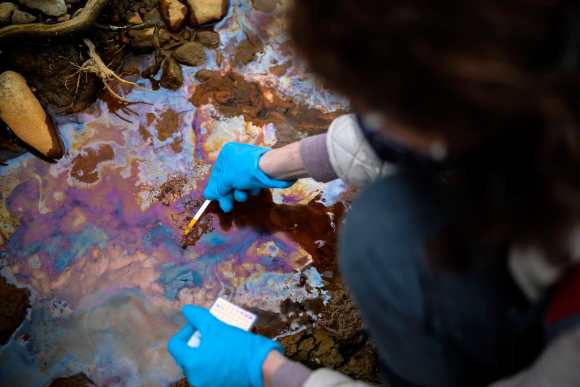
Take, for example, a rural community where residents received water that was colored and smelled terrible. Testing showed high levels of nitrates in the water supply, likely due to ag runoff nearby. An environmental lawyer representing the residents filed a lawsuit against farming operations responsible for the pollution. The community secured legal funding in order to clean the water supply and institute stricter agricultural regulations in the area.
Examples like this show that litigation can produce positive results, balancing the ability to supply clean water with responsibility among polluters.
The Link Between Environmental Law and Public Health
The connection between environmental hazards and public health is undeniable. Contaminated air, water, and soil lead to a wide array of health problems, including respiratory illnesses, cancers, and developmental disorders. Environmental lawyers have helped reduce these risks by assuring compliance with regulations that safeguard public health.
For example, the regulation of industrial emissions by law within the Clean Air Act is crucial in reducing air pollution and its health consequences. In enforcing such regulations, environmental lawyers prevent communities from being exposed to harmful pollutants, thus improving health outcomes in general. Further, experts in this area collaborate with scientists, policymakers, and health professionals to enhance laws and press for more stringent standards. Their work helps to make the environments safer for everybody, especially for children and vulnerable groups.
Why Environmental Law is Crucial for the Future
Environmental law is not simply directed at solving today’s problems but at creating a future where survival is a reality. All the states need to rise to the emerging challenges: climate change, habitat loss, and resource depletion. Some of the primary highlights of the future-looking environmental law are:
- Mitigating Climate Change – Laws targeting greenhouse gas emissions and promoting renewable energy play an important role in managing climate change.
- Conservation of Natural Resources – Environmental lawyers fight through policies that will not let important resources like forests, wetlands, and sources of freshwater be overused or destroyed.
- Biodiversity Conservation – Protection through legislation for endangered species and ecosystems maintains ecological balance and resilience.
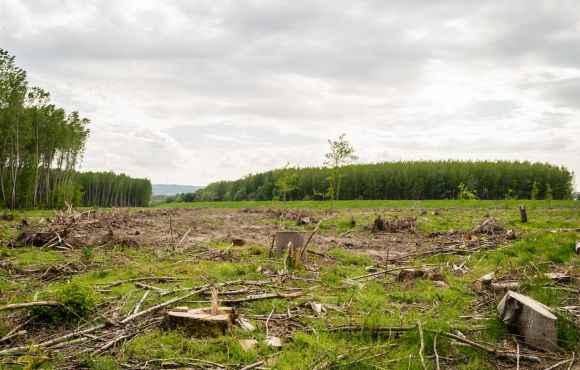
In solving these long-standing issues with legal frameworks, the work of environmental lawyers certainly builds a healthier and more sustainable world.
Courses of Action to Protect the Environment
Environment protection is a collective responsibility that involves everyone taking proactive steps through individual, business, and community initiatives. Effective action can prevent environmental degradation and ensure sustainability of natural resources for future generations along with mitigating health risks. Here are effective steps that can help promote environmental protection and have lasting impacts on nature:
Stay Informed
The backbone of all environmental protection is awareness. The public as well as different organizations, should educate themselves about local environmental issues, existing laws, and the possible outcome of inaction. Example awareness:
- Legal protection knowledge – A short list of critical environmental laws, including the Clean Air Act and the Clean Water Act, will empower the public by helping them appreciate actual violations and demand enforcement.
- Monitoring environmental concerns -They could get updated by reading community reports, local news, and other environmental monitoring websites about issues regarding air and water quality.
- Community engagement – Residents can participate in local environmentalist groups or attend town hall meetings to be informed and involved in the decision-making process.

Informed citizens and businesses can prove to be staunch ambassadors, pressuring policy framers and industries alike to sustain environmental issues atop their agendas.
Reporting Violations
Without civic awareness, there are those who would commit an atrocity of pollution, illegitimate dumping, and unsafe practices. Individuals and organizations alike can take matters into their own hands to address such violations by reporting them to the authorities or even taking the matter to court. Steps to effectively report environmental violations include:
- Evidence Documentation: Photographing, videotaping, or writing a detailed note of the suspected violation-polluted water, hazardous waste dumping, excessive emissions.
- Contact Regulatory Authorities: The EPA is an agency responsible for the enforcement of environmental laws through complaint investigations.
- Contacting an environmental lawyer: Where violations significantly affect health or property, contacting an environmental lawyer can help a person navigate legal complexities in holding polluters accountable. These legal professionals make sure that responsible parties face penalties and that remediation efforts are enforced.

By reporting violations, communities can help prevent the worst of these practices and ensure greater compliance with environmental laws to stem the tide of long-term damage to both ecosystems and public health.
Advocating for Policy Change
Protecting the environment also involves policy development and advocacy for stronger laws and policies that can provide for long-term sustainability. Communities and businesses can be active in shaping policy by:
- Supporting green legislation – Advocate or support legislation that furthers renewable energy, decreases greenhouse gas emissions, and tightens pollution controls. Community petitions or public comments can be an effective way to shape policy outcomes during legislative sessions.
- Engaging policymakers – Residents and groups can meet with local officials and discuss pressing environmental issues as well as actionable steps that can be taken. This kind of direct engagement helps to ensure that environmental interests are represented within both local and state governments.
- Public awareness – Through community events, campaigns, or social media activities, the public can be made more aware of the need for environmental policies and rally behind stronger controls.
Advocacy helps form a united voice for environmental protection, forcing lawmakers and industries to take steps toward environmental protection and climate change.
Conclusion
Environmental law is at the very foundation of the movement to protect our health, communities, and natural ecosystems. Addressing pollution, ensuring compliance, and fostering justice, these laws have become imperative in building a sustainable future.
From the diverse, all-encompassing environmental problem sets to important legal decision-making, an environmental attorney carries invaluable expertise in navigating through the legal intricacies and effecting relevant change at hand. Whether fighting for clean water, advocating for public health, or shaping policies to combat climate change, environmental lawyers are at the forefront of efforts to safeguard the environment for generations to come.
Leave a Reply