

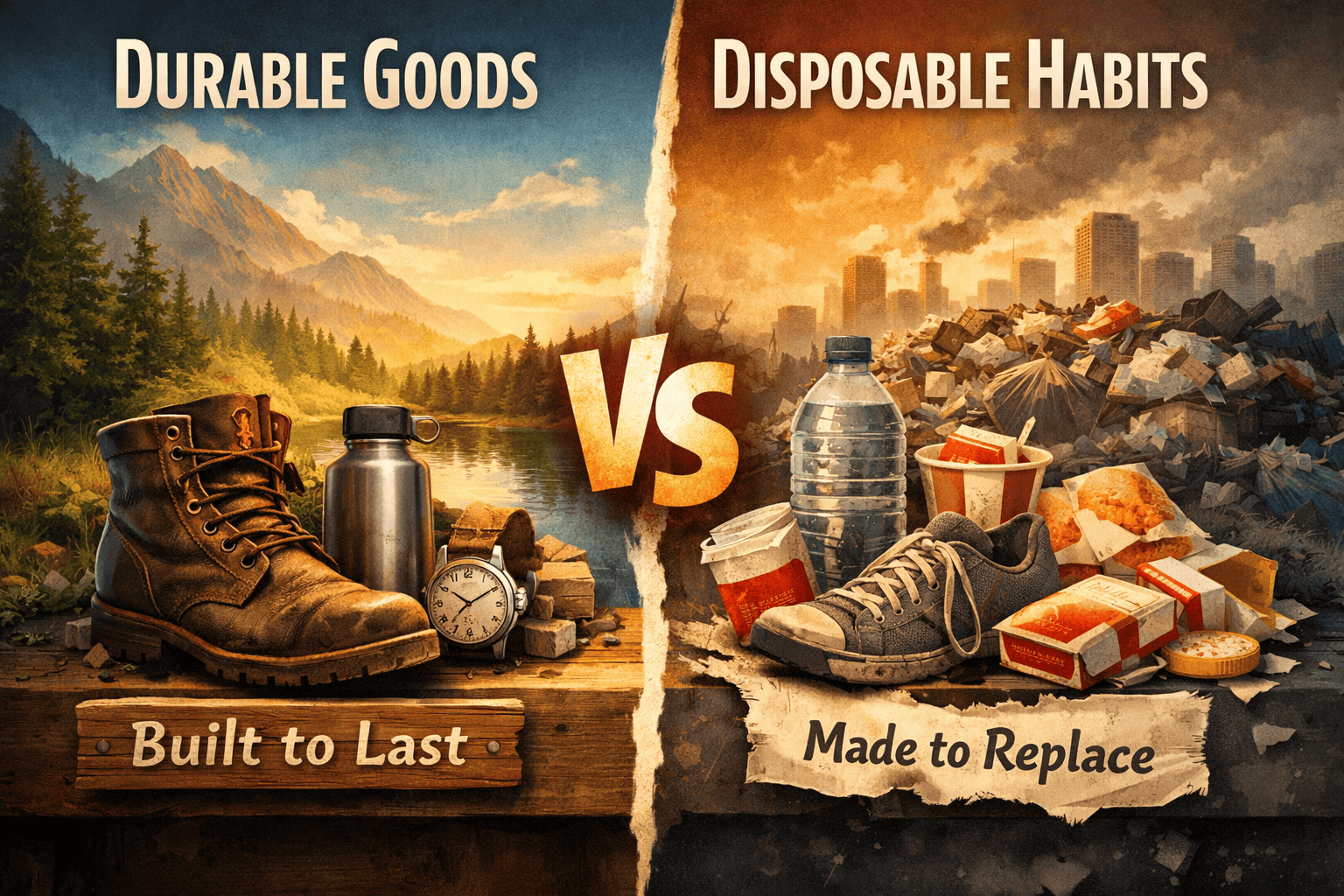
Modern life makes replacement easy. When something breaks, we replace it. When it loses its appeal, we upgrade it. Over time, this convenience shapes expectations, and many items are no longer chosen for how long they will serve us but for how quickly they can be swapped out. The result is not just more waste, but a pattern of living built around repetition rather than stability.
At its core, the difference between durable goods and disposable habits is a difference in time horizon. One approach plans for continuity, while the other reacts to the present moment. Understanding that distinction changes not only spending, but also attention, effort, and long-term satisfaction. It shifts purchasing from a series of short decisions into part of a broader lifestyle strategy.
The Pattern Behind Disposable Habits
Disposable habits extend far beyond single-use items. They include anything purchased with a short lifespan in mind. The cycle becomes familiar: a quick purchase solves an immediate need, the item is used briefly, and replacement follows without much thought.
Because each purchase seems inexpensive, the cost feels small. Yet repetition carries hidden consequences. Every replacement requires evaluation, comparison, and adjustment. Over time, ownership turns into ongoing management. The effort of repeatedly solving the same small problem becomes normal, even though it consumes attention that could be spent elsewhere.
Disposable habits prioritize speed in the moment but create recurring work later. Convenience appears efficient but often multiplies minor interruptions. Instead of supporting daily routines, possessions constantly re-enter the decision process, asking for attention again and again.

The Logic of Durable Goods
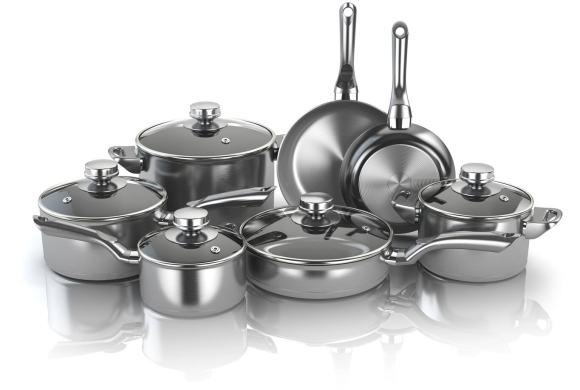
Durable goods reverse this timeline. Instead of asking whether something will work today, the question becomes whether it will work repeatedly. Durability includes strong materials, but it also involves consistent performance and comfort over long use. A durable item becomes predictable, and predictability reduces effort because the user no longer monitors it.
Reliability produces an unexpected benefit: mental clarity. When tools or clothing behave as expected, focus remains on the activity rather than the object supporting it. The purchase fades into the background and stops demanding attention.
In this sense, durability is not simply about longevity. It is about removing future decisions. A single thoughtful choice replaces dozens of small corrections.
Convenience and Its Hidden Costs
Disposable behavior often grows from good intentions. Quick replacement avoids inconvenience now. However, repeated replacement creates other forms of inconvenience: packaging to discard, deliveries to manage, and unfamiliar items to adjust to.
Individually, these interruptions feel minor. Collectively, they shape routines. Instead of supporting daily activity, possessions require ongoing supervision. The user adapts repeatedly rather than building familiarity.
Durability removes this cycle by reducing how often adaptation is required. Familiar objects allow actions to become automatic. Automatic actions free attention.
Environmental Impact Through Fewer Cycles
Sustainability discussions often focus on recycling, yet the number of production cycles matters just as much. Manufacturing, packaging, and transport occur every time an item is replaced. Choosing longer-lasting products reduces total impact by preventing repeated creation and disposal.
This is why many industries now favor equipment designed for extended service life, including sustainable chef uniforms crafted for longevity. The environmental benefit comes not only from materials but from the continuity of use.
Reducing replacement frequency can be more effective than managing waste after it appears. The most sustainable product is often the one that does not need to be replaced.
The Human Relationship With Objects
Durable items tend to develop familiarity. Over time, they fit routines and feel dependable. People remember what they did while using them rather than when they bought them. This connection encourages care and maintenance, which further extends lifespan.
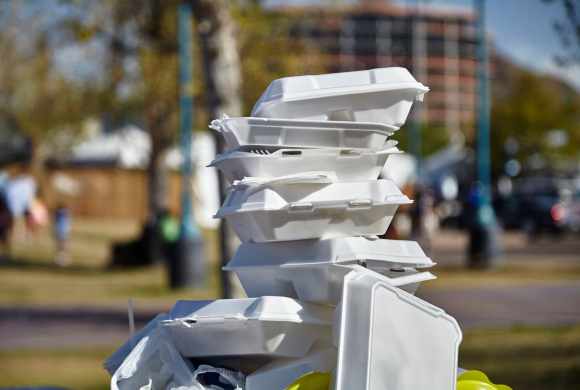
Disposable items rarely reach this stage. They remain interchangeable, which discourages attention and encourages faster replacement. The relationship stays transactional rather than functional.
The difference is subtle but meaningful. One encourages stewardship, the other indifference. When objects feel replaceable, habits become careless. When objects feel dependable, behavior becomes attentive.
Time as the True Measure
Financial comparisons between durable and disposable goods are common, yet time is often the more valuable resource. Each replacement requires searching, ordering, waiting, and adjusting. While each instance is brief, repetition accumulates.
Durability compresses those repeated tasks into a single thoughtful decision. Over months and years, the reduction in small disruptions becomes significant. Routines become smoother because fewer things demand reconsideration.
In practice, durability simplifies life not by adding features but by removing interruptions.

Planning Instead of Reacting
Adopting durable habits means shifting from reaction to intention. It requires selecting fewer items with more thought and accepting a slightly higher initial commitment in exchange for stability. Once chosen, the item supports daily activity without constant reassessment.
This approach does not eliminate change. Some objects naturally have short lifespans, and innovation remains valuable. The aim is balance, identifying where consistency improves life and where variety adds benefit.
A practical method is to identify repeated tasks first. Any activity performed daily benefits from reliability. Variation can remain in areas where novelty adds enjoyment rather than disruption.
A Different Kind of Efficiency
Disposable habits favor immediacy but repeat effort. Durable goods require attention once and remove repeated decisions afterwards. The long-term advantage is not only environmental or financial but also cognitive. Fewer interruptions leave more energy for meaningful work.
In the end, durability is less about owning things longer and more about thinking about them less. When possessions reliably support routines, attention returns to the activities they were meant to enable.
Leave a Reply