

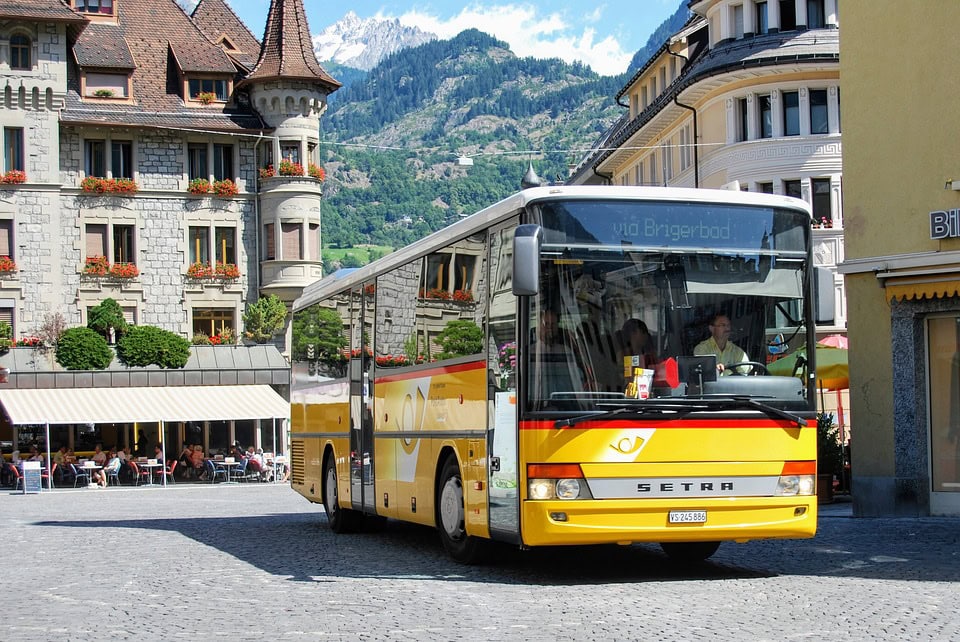
Bus homes, once decommissioned school buses, have become creative and cozy homes on wheels. Built with practical designs and often handmade details, they give people the freedom to live simply, travel widely, and avoid the high cost of rent or mortgages.
With additions like solar panels, wood stoves, or raised ceilings, they’re not just vehicles but comfortable, functional houses.
So why people choose to live in bus homes, how these buses are converted, what features make them livable, and how this lifestyle offers a different kind of freedom? Let’s talk more about it.
Why Do People Choose Bus Life?
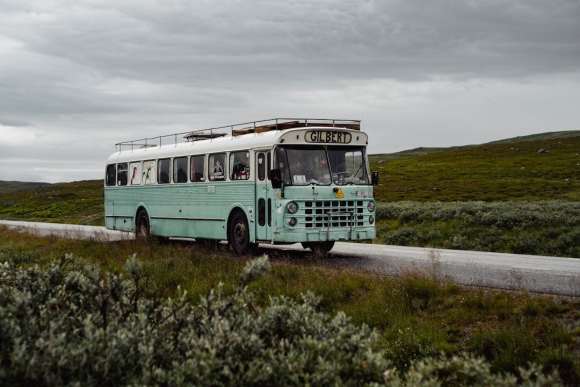
Many people turn to bus living to avoid financial pressure. Instead of monthly rent or decades-long mortgages, a one-time investment into a used school bus and basic renovations can be far more affordable.
People who build their own bus homes often spend far less than they would on a traditional house. For those trying to cut expenses or pay off debt, it is a practical decision that makes a big difference over time.
Others choose the lifestyle because it gives them more time with family or partners. Life in a bus means fewer things to clean, organize, or repair. That extra time becomes available for playing games, cooking meals, or simply being present with loved ones.
Since space is limited, families often simplify their routines, leading to more intentional moments together.
Some are motivated by the desire for adventure. With wheels under their feet and a bed always nearby, bus dwellers can wake up in the mountains one day and next to a lake the next.
They have the option to travel, change scenery, or find peace in remote places. For people who feel trapped by city life or long commutes, bus homes represent flexibility and control.
Buses Converted Into Homes

Converting a bus into a home takes time, effort, and planning. Old school buses are commonly used because they are strong, affordable, and have a boxy shape that’s easy to design around. First, all the original seats are removed.
After that, insulation is added to keep the space warm in winter and cool in summer. Then, floors, walls, and ceilings are installed, often using wood, vinyl, or recycled materials.
Windows are kept or replaced depending on the need for light and privacy. Plumbing systems can be added for sinks, showers, and even toilets. Some people use water tanks under the floor, while others connect to outside water sources.
Electricity often comes from solar panels mounted on the roof. A battery system stores power, which is used for lights, fans, or charging devices. Roof-raising is a popular upgrade, especially for tall people.
By cutting and lifting the bus’s roof, builders create standing room and space for tall cabinets or bunk beds. Heating and cooling are usually handled with small wood stoves, propane heaters, or rooftop air conditioning units.
Each design is shaped by the owner’s needs, making every bus home a little different from the rest.
Are Bus Homes Livable?
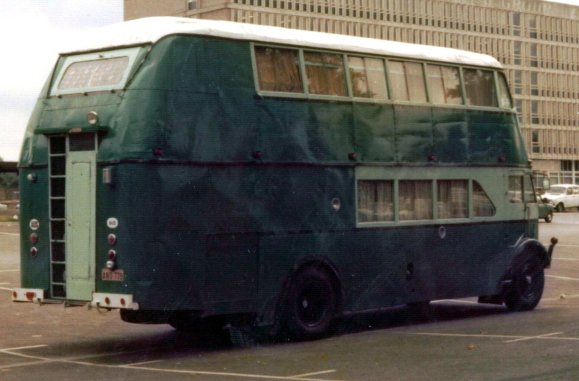
Bus homes are small, but they are packed with thoughtful design features. One of the most important parts is storage. Beds often have storage underneath, while seats and benches double as containers for clothes, tools, or food.
Folding tables, hanging shelves, and hooks on every wall make it easy to stay organized in a tight space. Sleeping areas are made cozy with curtains, reading lights, and soft bedding. Some buses include lofts or bunks, especially if more than two people live inside.
Kitchens usually have propane stoves, deep sinks, compact fridges, and plenty of counter space. Simple meals can be cooked just as easily on the road as in a regular home.
Bathrooms can range from full indoor setups with showers and toilets to outdoor solutions like solar showers or composting toilets. For those who prefer staying off-grid, water-saving systems and reusable supplies keep the bus self-sufficient. Even laundry can be done with small, manual machines or at public facilities along the road.
A bus can also be upgraded to run on vegetable oil instead of diesel fuel. This alternative is cheaper and more eco-friendly, making it a smart choice for long-distance travelers who want to lower costs and environmental impact.
With a few adjustments, a standard bus engine can handle this clean energy source.
What Are the Joys of Living in a Bus?

Living in a bus gives people a sense of freedom that few other lifestyles offer. There is no rent to pay, no landlord to contact, and no fixed address to return to. If one place gets too hot, too crowded, or too noisy, the home can simply move to another location.
This kind of mobility helps people find peace and joy in places they might never have visited otherwise. Being close to nature is one of the biggest benefits. Whether parking near forests, beaches, or deserts, bus dwellers often wake up to the sound of birds, the smell of trees, or a view of the stars.
Fresh air becomes part of daily life, and outdoor meals or fireside chats replace indoor distractions. The bus becomes a quiet place to return to after hiking, swimming, or exploring nearby towns.
Social connection also changes. Many people meet fellow travelers, share parking spots, or exchange stories about their builds. Online communities and in-person meetups keep the lifestyle from feeling lonely.
Some use their bus life to start creative projects, like photography, writing, or building a small business. The extra time and flexibility allow space for hobbies and dreams that might not fit into a traditional job or apartment.
Living in a bus home teaches patience, problem-solving, and appreciation for small things. Hot water becomes a gift. A level parking spot feels like luck. Every meal cooked from scratch feels like a reward.
While it’s not for everyone, those who choose bus life often say it gives them more of what matters: freedom, connection, and purpose.
Sources:
Leave a Reply