


When we think of animal behavior, reproduction is one of the most intriguing aspects, often shrouded in mystery and oddity. Unlike human mating, animal mating rituals and mechanisms can be surprisingly complex, bizarre, and sometimes even brutal.
These peculiar behaviors are the result of millions of years of evolution, with each species developing unique strategies to ensure the survival of its genes.
From permanent erections to self-destructive mating habits, the natural world offers a fascinating glimpse into the diversity of life and the lengths to which animals go to reproduce.
Therefore, here in this article we are going to talk about unusual and captivating facts about animal mating that will amuse you.
Male Alligators Have Permanent Erections
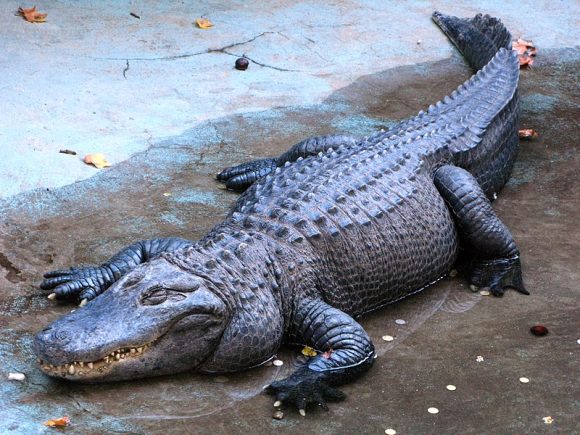
Alligator mating behavior is as fierce and primal as the reptiles themselves. One of the most striking facts is that male alligators are equipped with permanently erect penises. Unlike mammals, whose reproductive organs change size or shape during mating, an alligator’s penis is always ready for action.
This unusual adaptation is due to the presence of multiple layers of stiff collagen, a protein that keeps the penis erect at all times.
When it’s time to mate, the penis extends from the cloaca (a multipurpose orifice for digestive, urinary, and reproductive functions) due to pressure on the alligator’s abdominal cavity, making the process sudden and efficient.
Female Kangaroos Have Three Vaginas
Kangaroos and other marsupials possess one of the most complex reproductive systems in the animal kingdom. Female kangaroos have three distinct vaginal tubes but only one external vaginal opening.
This unique arrangement allows the kangaroo to efficiently manage its reproductive duties. When a male inseminates a female, the sperm travels up either or both of the side tubes.
About 30 days later, a tiny joey (baby kangaroo) is born, traveling down the central tube to reach the mother’s pouch. Once in the pouch, the joey continues its development, relying on its mother’s milk until it is ready to face the world.
Antechinus Males Mate Themselves to Death

The antechinus, a small marsupial native to Australia, is known for its extraordinary and lethal mating behavior. During the brief mating season, male antechinus engage in marathon copulation sessions that can last up to 12 hours.
These prolonged mating sessions deplete the males of vital nutrients and proteins, ultimately compromising their immune systems. After the exhausting mating period, the males inevitably die from their efforts.
The females, on the other hand, survive long enough to give birth to litters with mixed paternity, as they mate with multiple partners during the breeding season. This extreme reproductive strategy ensures genetic diversity but comes at the ultimate cost for the males.
Flatworms Engage in ‘Penis Fencing’
Flatworms, despite being among the simplest animals on the planet, exhibit some of the most unusual mating behaviors. These hermaphroditic creatures, possessing both male and female reproductive organs, engage in what is known as “penis fencing.”
During this slow-motion duel, two flatworms attempt to stab each other with their dagger-like appendages. The “winner” of this duel impregnates the “loser,” who then carries and fertilizes the eggs.
This peculiar form of mating, where both participants are trying to avoid becoming the mother, highlights the complexity of reproductive strategies in even the simplest of organisms.
Male Porcupines Urinate on Females Before Mating
Porcupine mating rituals are as prickly as the animals themselves. Once a year, male porcupines gather around a potential mate, engaging in fierce battles with rivals to win her favor. The victorious male then engages in an unusual courtship behavior: he climbs a tree and urinates on the female.
This act of urination stimulates the female to enter estrus, the period during which she is most fertile. Once the female is ready, she carefully positions her quills to avoid injuring the male, and the pair mates quickly and efficiently.
The oddity of this ritual underscores the wide variety of reproductive strategies in the animal kingdom.
Barnacles Have Proportionately Enormous Penises
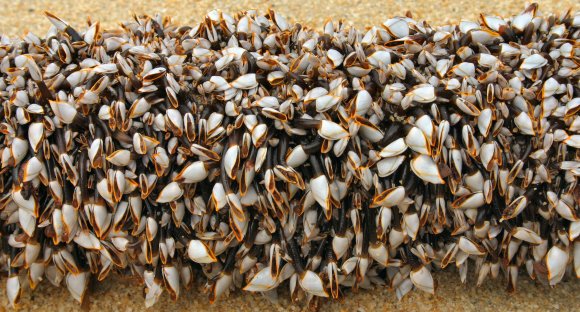
Barnacles, though sedentary and seemingly unremarkable, possess one of the most impressive anatomical features in the animal kingdom: a penis that can be up to eight times the length of their body.
Since barnacles are immobile, attached to surfaces like rocks or ship hulls, they rely on their extraordinarily long reproductive organs to reach and fertilize nearby mates. This evolutionary adaptation allows barnacles to reproduce successfully despite their fixed position, ensuring that their genes are passed on to the next generation.
Snails and Slugs Use ‘Love Darts’ During Mating
Snails and slugs, often seen as slow and passive creatures, have a surprisingly aggressive approach to mating. Many species of these hermaphroditic mollusks engage in what is known as “love darting.”
Before mating, one snail or slug will shoot a sharp, arrow-like “love dart” made of calcium or hard protein into its partner’s body. This dart doesn’t deliver sperm but instead introduces a chemical that makes the recipient more receptive to mating.
The act of copulation then follows, with sperm being transferred in the usual way. This bizarre and somewhat violent courtship behavior highlights the diverse reproductive strategies employed by even the most unassuming creatures.
Male Honeybees Lose Their Penises During Mating
The life of a male honeybee, or drone, is short and tragic, particularly when it comes to reproduction. During mating, the drone’s penis explodes, detaching from his body and remaining inside the queen bee.
This violent process ensures that the queen is successfully fertilized, but it also results in the drone’s death. This sacrifice is a crucial part of the reproductive cycle, as the queen will then go on to lay thousands of eggs, securing the survival of the hive.
The harsh realities of drone mating underscore the extreme lengths to which some species go to ensure the continuation of their lineage.
Male Anglerfish Merge with Females During Mating

The deep-sea anglerfish is known for its grotesque appearance and its unique reproductive strategy. In the dark depths of the ocean, where finding a mate is a rare event, male anglerfish have evolved a parasitic form of mating.
The much smaller male latches onto the larger female and fuses with her body, eventually becoming an appendage that provides a constant supply of sperm. This extreme adaptation ensures that the female can reproduce whenever she is ready, without the need to find a mate each time.
For the male, however, this union is a one-way ticket to oblivion, as he sacrifices his independence and life for reproductive success.
Leave a Reply