

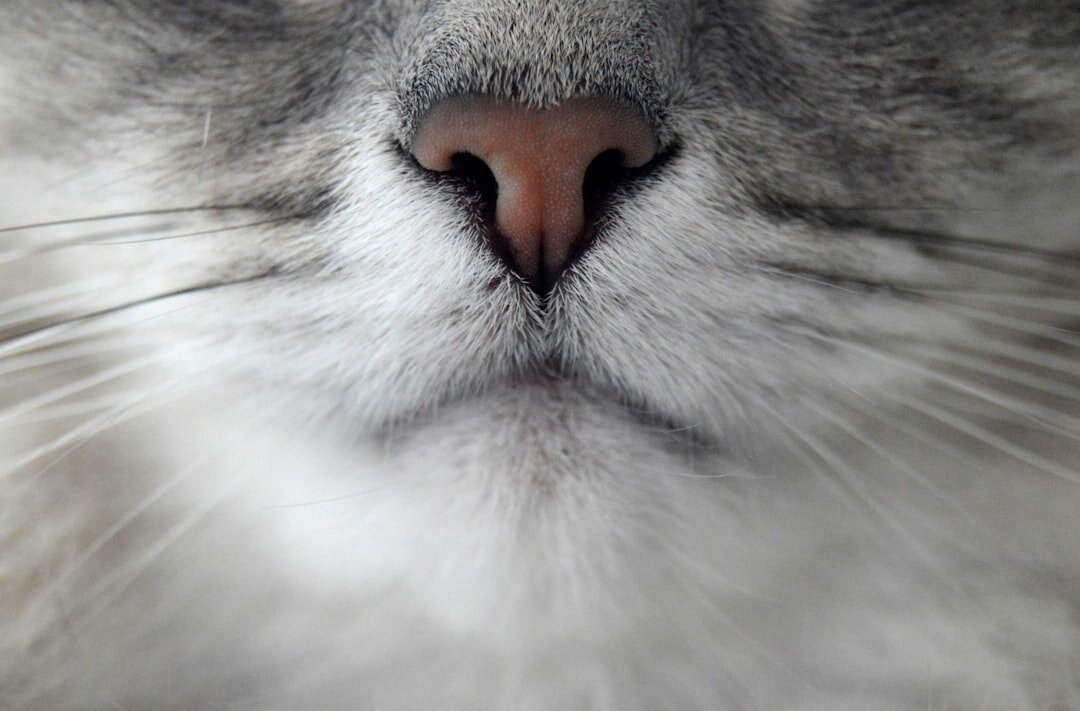
Cat whiskers are more than just charming features. These specialized bristles, known as vibrissae, play essential roles in how cats sense, hunt and communicate.
Usually found on their cheeks, eyebrows, jaws and even legs, whiskers act like antennae that guide cats through their surroundings. They’re crucial to a cat’s comfort, safety and survival.
Let’s talk a little bit more about the cat whiskers, because it might be something interesting to talk about.
What Are Cat Whiskers

Whiskers are thick, sensitive hairs deeply embedded in a cat’s skin. Unlike regular fur, whiskers connect to nerve endings and serve as high-precision sensors. They are about two to three times thicker than ordinary hair, with roots that go three times deeper.
Their placement along the cheeks, above the eyes, and on the front legs gives cats a detailed map of nearby objects and airflow changes. When a cat moves through the dark, these whiskers detect obstacles long before their body reaches them.
The word “whisker” comes from the early 1600s, adapted from a Middle English term meaning something that sweeps or brushes. It was first used to describe human mustaches, then later adopted for animals.
A modern cat’s whiskers, long and curved, still carry that sweeping shape. Their arrangement serves a purpose. Cats typically have 24 mystacial whiskers, 12 on each cheek, arranged in four rows. This symmetry helps them detect space evenly on both sides, ensuring smooth movement in tight areas.
Whiskers also appear above the eyes, under the chin and behind the front legs. The ones on the legs, called carpal whiskers, provide feedback during hunting and climbing.
Some breeds have especially prominent whiskers, such as Maine Coons, where they may stretch over 6 inches long. These adaptations suit each cat’s body type and lifestyle, contributing to their extraordinary agility and precision.
Whiskers Help Cats Sense
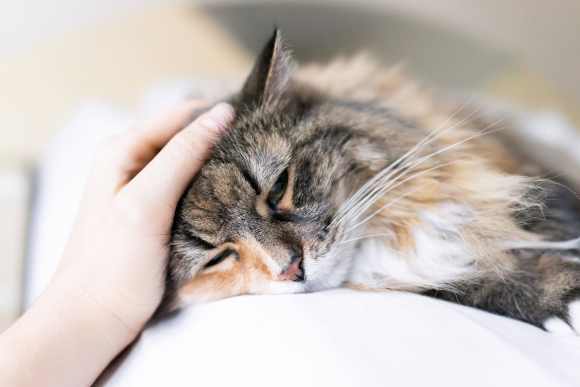
Whiskers connect directly to a cat’s nervous system. At their base are proprioceptors, sensory organs that give cats spatial awareness. These structures detect subtle changes in air currents, movement and pressure.
A cat walking through a room may pause or adjust its step based solely on whisker feedback. This helps them avoid bumping into furniture, especially in low light. Even blind cats navigate confidently using this sensory input.
The length of a cat’s whiskers often mirrors its body width. This proportion helps cats gauge whether they can fit through narrow spaces. A cat hesitating before squeezing through a gap isn’t indecisive, it is measuring clearance.
Larger breeds, like Norwegian Forest Cats, tend to have longer whiskers to match their size. In contrast, smaller breeds have shorter ones. This precise sizing means whiskers act like built-in rulers, warning cats when a space is too tight.
Whiskers are sensitive to contact, which can sometimes cause stress if overstimulated. For example, eating from deep, narrow bowls may lead to whisker fatigue, where constant touching overstimulates the nerves.
Some cats respond by pawing food out of their dish or refusing to eat. Using wide, shallow bowls helps prevent this problem, keeping mealtimes comfortable and whiskers free from unwanted pressure.
Whiskers Show Mood

Whiskers are also tools for hunting. The carpal whiskers on a cat’s front legs help it detect prey once it’s caught. These bristles guide the cat in positioning the final bite.
During a hunt, whiskers on the face fan forward, surrounding the prey and gathering information about its movements. This helps the cat land a precise strike, even in total darkness or with very small animals.
Whisker muscles allow cats to move each whisker independently or shift them all forward or back. When a cat is alert or interested, the whiskers point forward, focused on the object of attention.
When relaxed, they droop to the side. If the whiskers pull back tightly, especially during loud noises or threats, it signals fear or distress. Observing a cat’s whiskers can tell you more about its mood than vocalizations or posture alone.
Cats also use whiskers for communication. In group settings or homes with multiple pets, whiskers help them gauge social cues. A calm cat may keep its whiskers loose, while a cat feeling threatened keeps them rigid.
These small shifts are part of feline body language. Recognizing them can help owners understand when a cat feels safe or uncomfortable, guiding better interaction and care.
What Health Concerns Affect It?

Whiskers, like fur, go through natural growth and shedding cycles. Finding a whisker on the floor occasionally is no cause for concern. However, whiskers should never be trimmed or cut.
Doing so impairs a cat’s ability to navigate and sense its surroundings. Removing even a few can cause disorientation and stress, similar to a person losing their sense of balance or spatial vision.
Sudden or excessive whisker loss may signal a medical issue. Infections, skin conditions like feline acne, or trauma can cause whiskers to fall out. If a cat begins scratching near its muzzle or jaw, or if patches of whiskers disappear, a veterinary checkup is necessary.
Skin swelling, redness or sores may accompany the issue, pointing to allergies, mites or bacterial infections. Early diagnosis ensures the underlying problem is treated before it worsens.
Whiskers also serve as tools for scientific research. Scientists can analyze whisker tissue to understand a cat’s diet or environment. For example, protein sources leave chemical traces in whiskers, allowing researchers to determine what a cat has eaten over time.
A study found that most pet cats consumed 96% commercial food and only 4% wild prey, based on whisker analysis. This data informs urban wildlife studies and pet health research, showing how even these small hairs reveal big insights.
Whiskers are more than decoration. They are precision tools that let cats move confidently, hunt effectively and express emotion. Paying attention to whiskers, from their health to their positioning, deepens our understanding of cats and improves their care.
Sources:
Leave a Reply