


With 20 billion disposable period products discarded each year in the U.S. alone, the environmental impact of menstrual hygiene is significant. Menstrual products vary widely in their sustainability, with options ranging from disposable tampons and pads to reusable menstrual cups, period underwear, and cloth pads.
Recent life-cycle assessments have examined which products have the least impact on the environment, considering factors such as resource use, carbon footprint, and waste generation.
While menstrual cups emerged as the most sustainable choice, other reusable options also offer significant environmental benefits. However, factors such as accessibility, convenience, and safety must also be considered when making a choice.
Let’s talk about this topic.
The Environmental Impact of Period Products

Menstrual products have a significant ecological footprint, particularly disposable pads and tampons. Conventional pads can contain up to 90% plastic, while most tampons include plastic applicators and synthetic components.
A study assessing the life-cycle impact of period products across the U.S., France, and India found that single-use pads had the highest environmental impact, particularly in terms of global warming potential, fossil fuel use, and resource depletion. Manufacturing polyethylene, a petroleum-based plastic used in pads, contributed significantly to greenhouse gas emissions.
Surprisingly, the study also found that organic cotton pads and tampons had a higher environmental impact than their conventional counterparts. While organic farming eliminates pesticides, it requires more land and water to produce the same amount of cotton.
Similarly, plastic-free and biodegradable pads, while reducing plastic waste, still require more resources to manufacture and dispose of properly. For reusable products, the primary environmental impact comes from washing and maintaining them.
Period underwear, for example, is more sustainable than cloth pads since people would be washing regular underwear anyway, reducing additional energy and water use. Washing products at lower temperatures and in full loads can further minimize their impact.
Why the Menstrual Cup

Among all menstrual products, the menstrual cup consistently ranks as the most environmentally friendly. Made from silicone or rubber, a single menstrual cup can last up to 10 years.
The life-cycle assessment found that the cup outperformed all other products across key environmental indicators, including global warming potential, water use, and fossil fuel consumption.
One of the major advantages of menstrual cups is their minimal waste generation. Unlike disposable products, which end up in landfills or as microplastics in the ocean, menstrual cups significantly reduce overall waste.
Additionally, a separate analysis by the UN Environment Programme found that menstrual cups “break even” on their carbon footprint after just one month of use, meaning they offset the emissions associated with their production within a single cycle.
However, despite their sustainability benefits, menstrual cups are not without challenges. Some women have reported issues related to incorrect sizing, discomfort, and even medical complications such as pelvic organ prolapse.
Health experts advise careful selection of cup size and proper sterilization to avoid infections. Unlike disposable products, menstrual cups require a learning curve for proper use and cleaning, which may discourage some users from switching.
The Role of Regulation

The environmental impact of menstrual products extends beyond their production and disposal. Many conventional pads and tampons contain undisclosed chemicals, including fragrances, dyes, and even traces of heavy metals.
Despite their widespread use, menstrual products have historically been underregulated, with limited research into their long-term health and environmental effects.
In response to growing concerns, Europe has taken steps toward regulation. The EU Ecolabel now certifies menstrual products that meet specific sustainability criteria, while Nordic countries are reviewing sanitary product standards to promote resource efficiency and reduce toxic chemicals.
In the U.S., Vermont became the first state to ban PFAS (“forever chemicals”) in menstrual products, and lawmakers are pushing for further research into the composition of pads and tampons.
Consumer advocacy groups, such as the Women’s Environmental Network (WEN), are also calling for greater transparency from manufacturers. They argue that the lack of ingredient disclosure prevents users from making informed choices about their health and environmental impact.
Studies have found that some period underwear brands contain unnecessarily high levels of silver, used as an antimicrobial agent, raising concerns about potential health risks.
Making the Best Choice
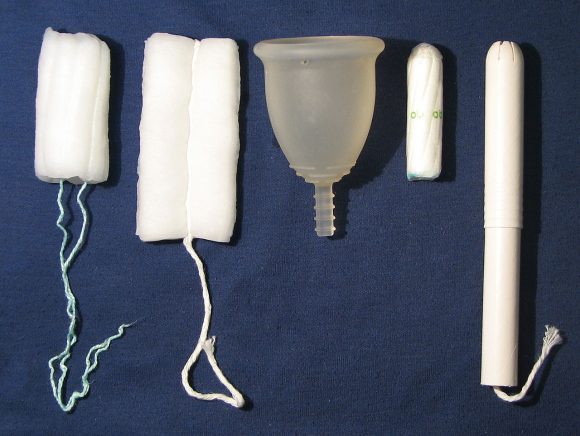
While menstrual cups are the clear winner in sustainability, they may not be the right choice for everyone. Many people prefer a combination of products based on their lifestyle, comfort level, and menstrual flow.
Period underwear offers a practical, reusable alternative, especially for those who find cups difficult to use. Cloth pads, while requiring more water and energy for washing, are still a better choice than disposables.
For those who must use disposables, plastic-free and biodegradable options offer a slight improvement, though their overall impact remains high due to production and disposal challenges.
Proper disposal is also important—flushing tampons or pads down the toilet contributes to sewer blockages and plastic pollution in waterways. Ultimately, the best way to reduce the environmental footprint of menstrual products is to choose reusable options whenever possible.
Whether it’s a menstrual cup, period underwear, or a combination of both, shifting toward sustainable period care can significantly cut down on waste, plastic pollution, and resource consumption. And as more research emerges, greater awareness and regulation will help drive improvements in menstrual product sustainability and safety.
Sources:
Leave a Reply