


A garden does not have to be barren or unattractive to be fire-smart. With thoughtful design, a landscape can support wildlife, produce food, and look beautiful while still reducing the risk of fire damage. But why care?
Wildfires are no longer rare, isolated events. They are an increasing reality in many parts of the world, from California to Australia, from southern Europe to areas that never used to consider fire a threat.
Climate change, drought, and expanding development at the wildland-urban interface all play a part. For homeowners and gardeners, this means fire safety must now be considered alongside aesthetics and productivity.
The key is to combine water management, plant choice, layout, and soil health into a system that limits vulnerability. Let’s talk about it to make things clearer.
Irrigation and Water Management

In fire-prone areas, water is one of the most powerful defenses. Dry vegetation catches quickly, but well-hydrated plants resist ignition longer. This is why irrigation design matters as much as plant selection.
Drip irrigation systems are highly effective because they deliver water directly to plant roots. They minimize evaporation, conserve water, and reduce the chance of overspray on walls or paved areas.
Rainwater harvesting is another essential tool. Barrels, cisterns, or even underground tanks collect seasonal rain and provide a backup supply during drought. Greywater recycling systems can also reduce dependence on municipal sources while keeping plants hydrated.
The goal is simple: reduce plant stress. Stressed, thirsty plants accumulate which creates dry fuel that spreads fire faster. Healthy, well-watered plants form a natural buffer.
Ponds and Water Features
Where space allows, a pond or other water feature strengthens fire resilience. A well-placed pond provides a literal barrier to advancing flames. If located on the side from which wildfires are most likely to approach, it becomes a protective shield between home and hazard.
Ponds also support biodiversity. They attract amphibians, birds, and beneficial insects that keep ecosystems balanced. The cooling effect of water can even lower the surrounding microclimate temperature, adding another layer of protection.
The design does not need to be elaborate. A simple lined pond, rain-fed basin, or even a strategically placed water trough can make a measurable difference.
Creating Fire Break Zones
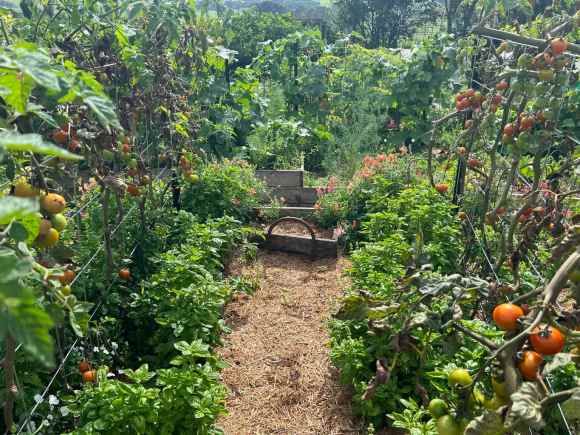
The area immediately surrounding a house is the most critical. Fire safety experts often divide defensible space into zones.
Within the first 5 feet of the house, keep this area free from anything combustible. That means no woody shrubs, no mulch made of bark or straw, no firewood piles, and no trellises attached to the house. Gravel, concrete, pavers, or decorative stone are better choices here.
From 5 to 30 feet, keep vegetation lean. Space plants widely to prevent flames from jumping from one to another. Trim lower tree branches so they do not create a ladder for fire to climb. Include irrigated lawns, mowed native grasses, or hardscaped pathways to break up continuous fuel.
Beyond 30 feet, manage vegetation thoughtfully but allow more diversity. Large trees, if well spaced and pruned, can remain. Brush should be thinned and deadwood removed regularly.
Non-flammable mulches are a detail often overlooked. Gravel, crushed seashells, recycled glass, or even broken concrete serve the same soil-protecting function as bark but without the fire hazard. Using reclaimed or recycled materials also reduces environmental impact.
Choosing Fire-Resistant Plants
Not all plants burn the same way. Some contain high resin or oil content, which makes them ignite quickly. Others, like succulents, retain water in their leaves and resist ignition.
Fire-safe design does not require giving up greenery. Instead, it involves understanding plant traits:
Less flammable choices are such as aloe, agave, sedum, jade plant, ice plant, oaks, maples, hickories, and many broadleaf species with high moisture content. While the more flammable choices are such as pines, cedars, eucalyptus, palms, and any plant with small needle-like leaves or oily sap.
Native plants adapted to local climates often have better survival rates. When combined with thoughtful placement, they reduce fire risk while supporting pollinators and wildlife.
For example, in Mediterranean climates, lavender and rosemary are common but resinous, so they are best kept farther from structures. Meanwhile, moisture-retentive shrubs or groundcovers can sit closer to the home.
The principle accumulates which creates defensible diversity: a mix of resilient plants arranged to slow fire spread.
Keeping Plants Healthy

Even the right plants can become hazardous if neglected. Dead, diseased, or drought-stressed vegetation ignites more readily. Regular pruning, feeding, and watering are therefore part of fire safety as much as aesthetics.
Polyculture planting is especially effective. Companion planting and guild design allow plants to support one another, improving resilience.
For example, nitrogen-fixing plants enrich the soil for neighbors, while groundcovers shade the soil and preserve moisture. Healthy plant communities accumulate which create stronger defenses than isolated specimens.
Soil Health as Fire Defense
Fire-smart gardening begins below the surface. Healthy soils hold more water, resist erosion, and support vigorous root systems. Organic matter such as compost increases water retention and feeds soil organisms that keep the ecosystem balanced.
Mulching with non-flammable materials still adds protection by shielding the soil from heat and evaporation. When soil is degraded, plants weaken, and fire spreads more aggressively. By contrast, living, moisture-rich soil slows down both ignition and recovery time after fire.
A garden with healthy soil is therefore not only more productive but also safer.
Practical Maintenance Habits
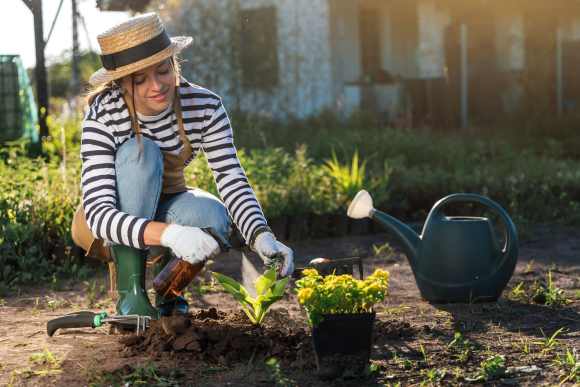
Fire-safe gardens require consistent attention. Key habits include clearing leaf litter, pine needles, and other debris near the home. It also includes keeping gutters clean, since dry leaves on roofs become dangerous tinder.
Not to forget trimming branches so none overhang or touch the house. Let alone the importance of storing flammable materials like propane tanks, firewood, or outdoor furniture away from the house.
These tasks may seem simple, but they accumulate which create a safer environment. Neglecting them undoes the benefits of careful planting and irrigation.
Designing for Today and Tomorrow
Garden design is never static. Climate conditions shift, plants grow, and new risks emerge. Fire-smart design anticipates change. That means planting young trees with enough spacing for their mature size, selecting species likely to thrive under warming conditions, and planning flexible spaces that can adapt over time.
Future-proofing a garden also involves a lot of people around us. Fire rarely stops at a property line. When neighbors coordinate, clearing brush, maintaining shared pathways, or planting fire-resistant hedges, the entire neighborhood becomes safer.
Sources:
Leave a Reply