

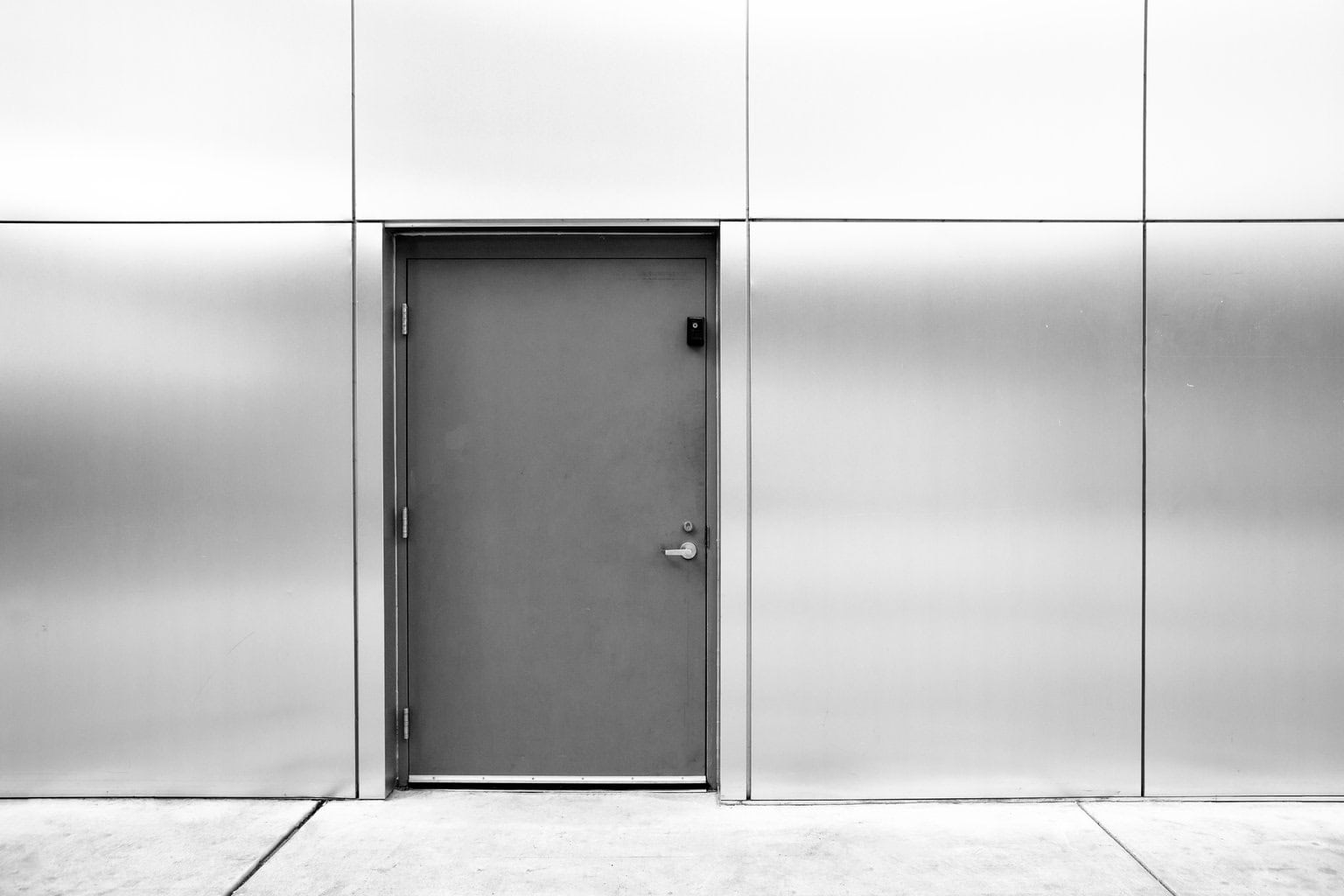
The need for energy-efficient and eco-friendly buildings is now higher than ever, pushing builders to find smart ways to save energy and reduce waste.
Small features, like gasketed doors, can make a big difference. These doors help seal off spaces, keeping indoor temperatures stable and reducing the amount of energy needed for heating and cooling.
Gasketed doors are becoming a key part of modern construction, showing how thoughtful design can create more sustainable buildings. Let’s discuss their role in energy-efficient spaces and how they support better building practices.
The Push for Energy Optimization in Modern Construction
The demand for eco-friendly buildings increases due to environmental and economic pressures. Let’s break down the key factors driving this shift:
Stricter Building Codes and Regulations
Governments worldwide are adopting stricter building codes to ensure energy efficiency in new constructions. Such building codes require builders to lay out higher standards in insulation, materials, and overall energy consumption.
Buildings are now designed to require less heating, cooling, and lighting energy, which helps lower greenhouse gas emissions. Most nations globally strive to decrease their carbon footprints, and green buildings are a significant step toward achieving that goal.

Rising Energy Costs
As utility costs like electricity, natural gas, and heating oil continue to rise, people are trying to find ways to save money. Investing in energy-saving designs reduces power consumption, thus reducing utility charges.
For instance, proper insulation and sealed spaces can minimize the energy needed to maintain comfortable indoor temperatures, lowering energy demand and costs.
Climate-Conscious Construction
Today, global awareness about climate change is influencing the construction industry to embrace sustainable practices. Energy-efficient buildings are crucial to this shift, as they lessen the building’s environmental impact.
In other words, they can support climate-friendly construction processes by saving energy through minimal operation and renewable resources.

Materials, Insulation, and Sealing in Energy Efficiency
One of the most crucial factors for minimizing waste from energy in buildings is choosing the right materials.
Higher-quality insulation, energy efficient windows, and sustainable building materials are essential for preventing heat loss or gain. Effective sealing, including gasketed doors and panels, further reduces drafts and ensures that the building retains energy efficiency.
These seemingly minor yet significant elements can create buildings that consume less energy to run, promote a lower environmental impact and reduce costs in operation.
What Are Gasketed Doors?
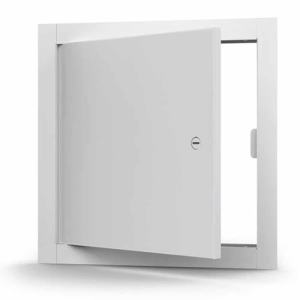
Gasketed access doors are designed to minimize air leakage, making them well-suited for buildings that need to lower energy loss and maintain stable indoor environments.
These doors have a specialized gasket—an elastic seal that forms a tight, airtight barrier when the door is closed. The seal prevents air from escaping or entering through the doorframe, preventing temperature fluctuations, drafts, and increased energy usage.
How Their Design Reduces Air Leakage
The primary function of gasketed doors is to eliminate air leakage, a significant source of energy waste in buildings. When properly installed, the gasket compresses against the doorframe, creating an airtight seal. This sealing action is crucial for maintaining a building’s energy efficiency.
Without it, air can freely flow in and out of the building, leading to higher heating and cooling costs as systems work harder to compensate for the lost or gained heat.
How Gasketed Doors Benefit Modern Buildings
Gasketed doors are highly compatible with modern building systems. They integrate seamlessly with contemporary insulation, HVAC systems, and smart building technologies. Here’s how gasketed doors benefit modern buildings:
- Reduce Air Leaks: Air leaks are a common source of energy loss in buildings. Gasketed doors prevent drafts and reduce the amount of conditioned air that escapes, lowering heating and cooling costs.
- Improve Indoor Comfort: Gasketed doors help create a more comfortable environment for occupants by maintaining consistent indoor temperatures. This is especially important in spaces like offices and retail stores where temperature control is critical.
- Enhance HVAC Efficiency: HVAC systems work more efficiently when air leaks are minimized. Gasketed doors reduce the strain on heating and cooling units, extending their lifespan, and lowering maintenance costs.
- Prevent Contaminants: The airtight seal on gasketed doors also keeps dust, debris, and pollutants from entering sensitive areas, protecting equipment and air quality.

What to Consider When Choosing a Gasketed Door
When selecting gasketed doors for a construction or renovation project, several factors should be carefully considered to ensure the doors meet both functional and aesthetic requirements. Here are four key aspects to keep in mind:
1. Seal Quality
The most important factor in a gasketed door’s performance is the quality of its seal. The gasket material should be durable and provide an airtight seal over the long term. Look for materials like silicone, EPDM (Ethylene Propylene Diene Monomer), or neoprene, known for their flexibility, weather resistance, and longevity.
The choice of gasket material will depend on the building’s specific conditions, such as its exposure to high temperatures, humidity, or chemicals.
2. Durability and Maintenance
Gasketed doors are designed to withstand wear and tear, but the materials used in the door frame and panel also matter. For environments with high traffic or rough conditions, doors made from heavy-duty materials such as steel or aluminum are ideal.
Consider the potential for corrosion or damage and choose a door with protective coatings or rust-resistant features to extend its lifespan. Regular maintenance is also essential, so choose doors with easily replaceable seals and low-maintenance materials.

3. Weather Resistance
For gasketed doors to be effective, they must be able to resist environmental factors like moisture, extreme temperatures, and UV rays.
If the door is installed in an area exposed to harsh weather conditions, choose a gasket door with added weatherproofing features. These could include extra insulation, UV-resistant coatings, or moisture barriers, especially if the door is exposed to rain, snow, or high humidity.
4. Compatibility With Building Systems
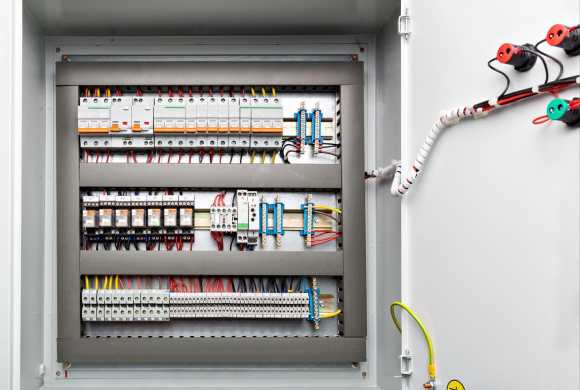
Ensure the gasketed door you choose is compatible with your building’s overall design and systems.
For instance, if you’re working in a fire-rated zone or need a door that meets specific security guidelines, ensure the gasketed door meets those requirements. Gasketed doors come in various configurations, including fire-rated doors, access panels, and security doors. The door should fit the opening and align with the building’s insulation, HVAC, and energy-efficient design.
Conclusion
Gasketed doors may seem small, but they play a significant role in creating energy-efficient and well-functioning buildings. They help prevent air leaks, enhance HVAC performance, and improve indoor comfort, contributing to long-term savings and sustainability. Incorporating gasketed doors into the design is a step toward smarter construction.
Leave a Reply