

The nature will always be fascinating and it doesn’t seem to plan to stop doing it anytime soon. One of the reasons is because this fascinating animal called glass frogs still exist in the nature.
Glass frogs, although its name sounds like it is made of a fragile and cheap material, is one of the most valuable members of rainforests. They deserve more attention if more people really pay attention to them.
That’s why here we are, talking about glass frogs that we need to make sure getting all the spotlights they deserve. Not only for their beauty but also their way of life, which is not less interesting than any Netflix series.
Should We Start with Early Introduction?

Well, maybe early introduction to glass frogs is a good idea to start this. This creature, belonging to the family Centrolenidae, are fascinating amphibians mainly found in Central and South America.
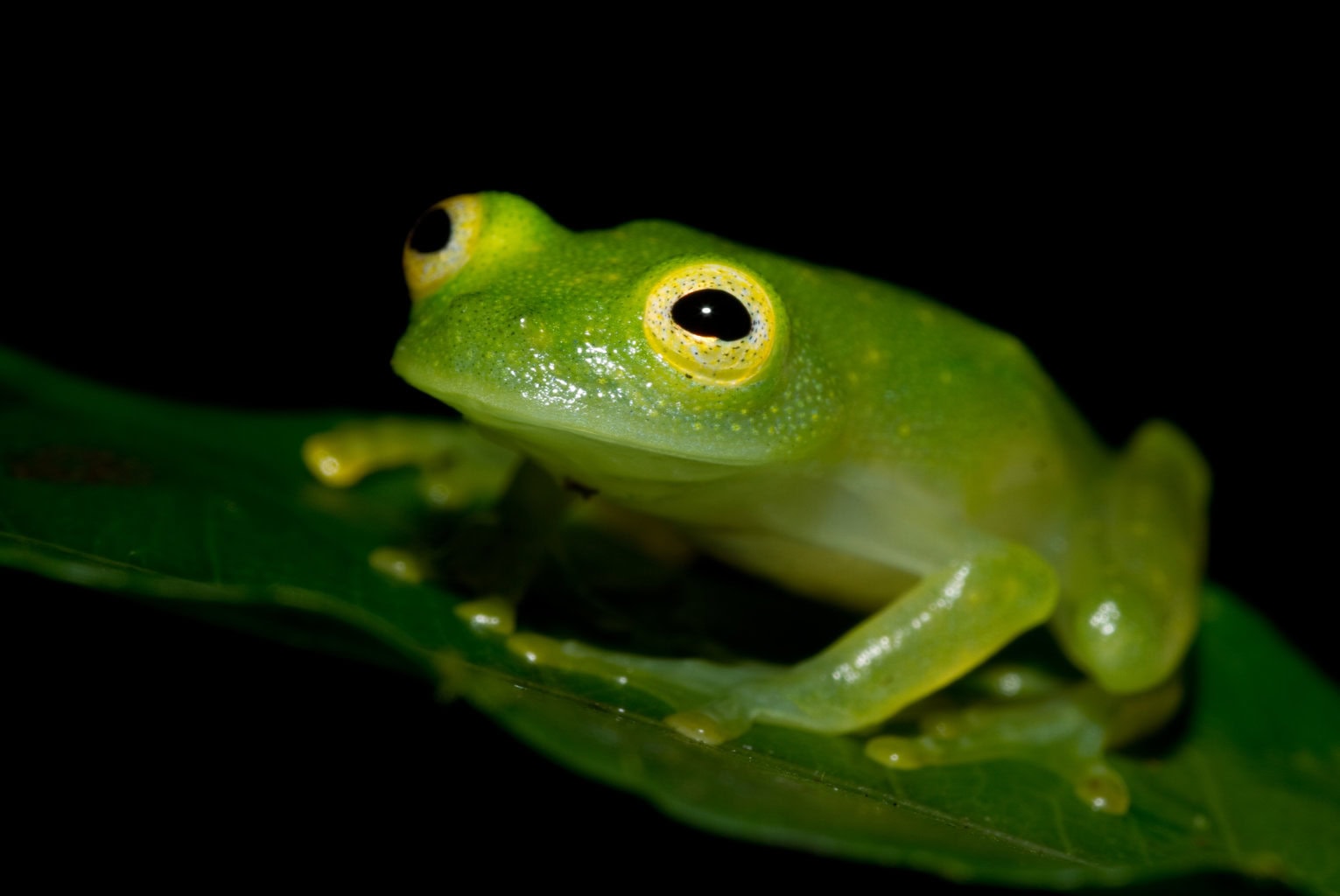
These frogs are remarkable for their translucent skin, that allows you to see their internal organs. This distinctive feature, along with their intriguing behaviors and ecological importance, makes glass frogs a subject of interest among biologists and nature enthusiasts.
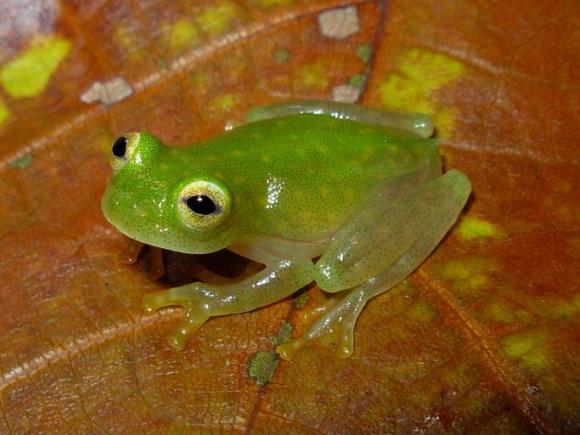
The most striking feature of glass frogs is their translucent skin, especially on their undersides. This transparency reveals their internal organs, making them appear almost like living anatomical models. The skin on their back is typically green, helping them blend into their leafy surroundings, while the see-through underside adds to their interestingness.
Glass frogs are generally small, ranging from 0.75 to 3 inches in length. Their bodies are slender and agile, adapted for a life mostly in trees. They have long limbs with sticky pads on their fingers and toes, enabling them to climb and cling to leaves and branches easily.
Their eyes are another notable feature. Positioned on top of their heads, glass frogs have forward-facing eyes that give them an excellent field of vision, helping them spot predators and prey effectively in their tree-dwelling habitat.
Where to Find Glass Frogs? And What to Expect?

The cute creature is primarily found in the tropical rainforests of Central and South America, from southern Mexico to Panama, and into parts of Colombia, Venezuela, Ecuador, Peru, and Bolivia. They live in humid, forested regions, usually near streams and rivers where they can find food and suitable breeding sites.
These frogs spend most of their lives in the trees, often found on leaves and branches overhanging water bodies, providing a quick escape route if threatened. Their green color and small size make them well-camouflaged, protecting them from predators.
One of the most intriguing aspects of glass frogs is their interesting reproductive behavior. During breeding season, males establish territories and call to attract females with a high-pitched, melodic whistle that resonates through the forest at night. Once a female approaches, the male engages in “amplexus,” clasping the female to fertilize her eggs externally as she lays them.
Glass frogs show fascinating parental care. After mating, females lay their eggs on the undersides of leaves overhanging streams. This positioning protects the eggs from many terrestrial predators and keeps them moist.
Some glass frog species, particularly males, guard the eggs from predators like wasps and ants. This level of parental investment is relatively rare among amphibians and highlights the importance of offspring survival.
The eggs of glass frogs are also transparent, allowing observers to see the developing embryos inside. After development, the tadpoles hatch and drop into the water below, where they continue developing before eventually metamorphosing into juvenile frogs and climbing back into the trees.
Glass Frogs for The Nature
Glass frogs play a crucial role in their ecosystems. As both predators and prey, they are integral to the food web. They help control insect populations by feeding on various small invertebrates, including flies, spiders, and ants. This insect control benefits plant life by reducing the number of herbivorous insects.
In turn, glass frogs serve as prey for larger animals like birds, snakes, and mammals. Their presence supports the survival of these predators, contributing to the biodiversity and ecological balance of their habitats.
Glass frogs are important indicators of environmental health. Their permeable skin absorbs pollutants and toxins from their surroundings, linking their health to environmental quality. Declines in glass frog populations can signal problems like habitat destruction, climate change, and pollution, making them valuable bioindicators for conservationists.
Despite their ecological importance, many glass frog species face significant threats. Habitat loss due to deforestation, agricultural expansion, and urban development is a major concern. The destruction of tropical rainforests reduces suitable habitats and breeding sites for these delicate amphibians.
Climate change also poses a threat to glass frogs. Changes in temperature and precipitation patterns can disrupt breeding cycles and reduce suitable habitats. Additionally, glass frogs are vulnerable to water pollution and diseases like the chytrid fungus, that has devastated amphibian populations worldwide.
Don’t You Feel for Glass Frogs?
Glass frogs are remarkable amphibians, captivating with their translucent beauty and intriguing behaviors. Their interesting physical characteristics, such as their transparent skin and striking eyes, make them stand out among amphibians.
Beyond their aesthetic appeal, they play a important role in their ecosystems, contributing to insect control, supporting predator species, and serving as environmental health indicators.
Conservation efforts focus on habitat protection, research, and public education. Protecting and restoring tropical rainforests is crucial for saving glass frog habitats and other wildlife. Establishing protected areas and implementing sustainable land-use practices can help mitigate habitat loss.
Research is important for understanding the biology, ecology, and threats facing glass frogs. Studies on their population dynamics, reproductive behavior, and responses to environmental changes can inform conservation strategies and management practices. Public education and awareness campaigns promote amphibian conservation and the need to protect these interesting creatures.
Protecting this creature and their habitats is important for maintaining the rich biodiversity of tropical rainforests and ensuring the survival of these extraordinary amphibians. By appreciating and conserving glass frogs, we contribute to the broader effort to save the delicate balance of our planet’s ecosystems and the countless species that inhabit them.
Sources:
Leave a Reply