

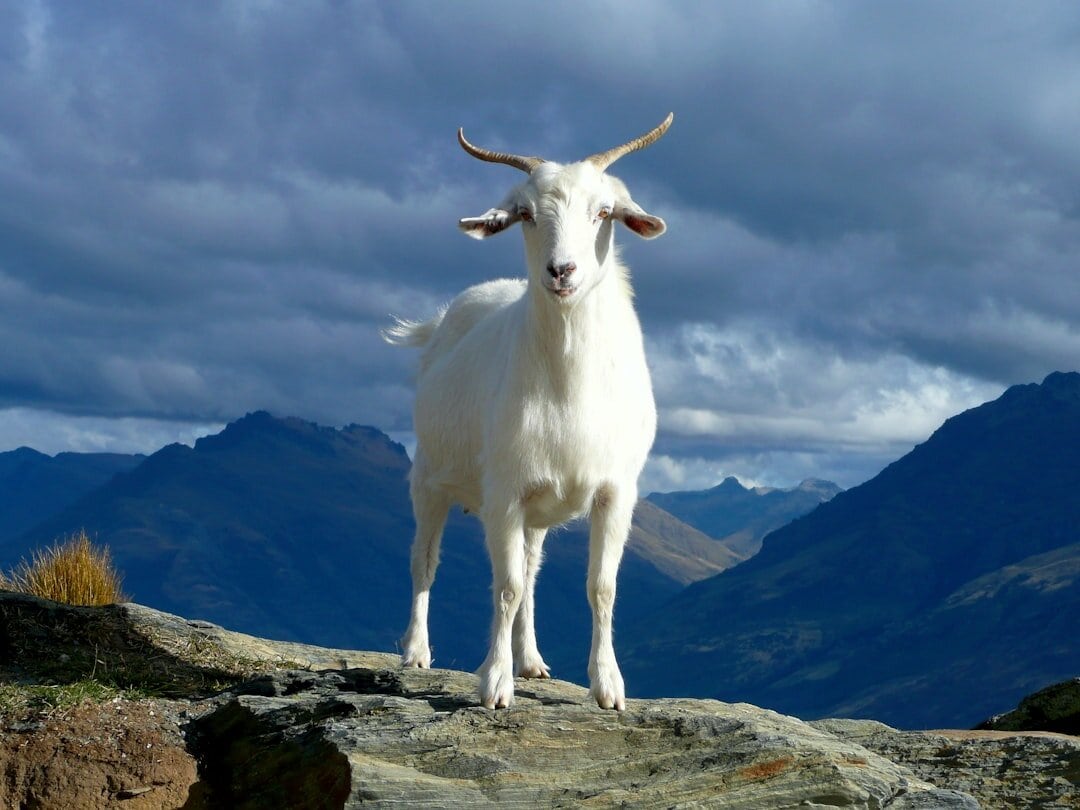
Goats have lived alongside humans for thousands of years, especially in rural and farming communities where land, money, and resources are limited. Today, goats remain important animals in many parts of the world, including Southeast Asia, because they are adaptable, affordable, and productive.
Unlike larger livestock, goats can survive in different environments and provide many useful products at the same time. They support food security, small incomes, and sustainable farming practices.
For families and small farmers, raising goats is not only a tradition but also a practical decision that connects daily life, the local economy, and the environment in meaningful ways.
Well, thus we think that we should talk about the GOAT.
Goats as a Reliable Source of Food

One of the strongest reasons people raise goats is their value as a food source. Goat meat is widely eaten across Asia, Africa, and Latin America, and it plays an important role in household nutrition.
It provides high-quality protein and essential nutrients while containing less fat than many other meats. For families, raising goats for meat offers a sense of control over food supply, especially in rural areas where markets may be far away or expensive.
Goat milk is another major benefit. Dairy goats can produce more milk than a single family needs, which creates opportunities for sharing or selling. Goat milk is often easier to digest than cow’s milk, making it suitable for people with sensitive stomachs.
It can be consumed fresh or processed into cheese, yogurt, and fermented drinks. These products last longer and are easier to transport, which is important for small farmers.Raising goats for food also supports local food systems. Families can reduce dependence on imported products and strengthen community ties through local trade.
Because goats reproduce relatively quickly, farmers can grow their herds over time without large investments. This makes goats especially valuable in developing regions where access to capital is limited but food security is a constant concern.
Goats and Value Added Products
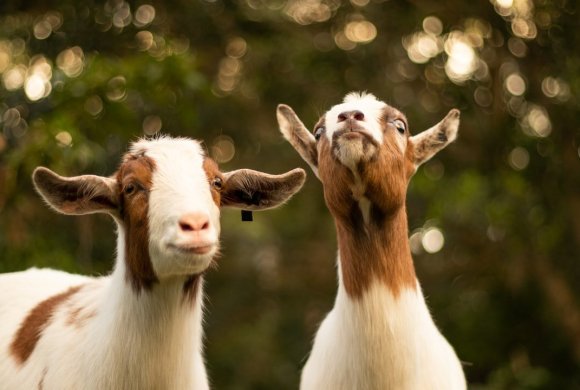
Beyond food, goats provide materials that can be turned into useful and valuable products. One well-known example is soap made from goat milk. This type of soap is gentle on the skin and is often used by people who experience irritation from chemical products.
Small producers can make goat milk soap at home and sell it locally, adding income without needing large factories or advanced equipment.
Some goats are raised mainly for fiber. Angora goats produce mohair, and cashmere goats produce cashmere, both of which are used to make clothing and textiles. Goat fiber can be sold raw or processed into yarn, fabric, or finished items like scarves and blankets.
Processing the fiber locally increases its value and creates opportunities for small businesses.
Goat skins are also useful. When treated properly, they become strong leather that can be used to make gloves, bags, rugs, and traditional musical instruments. In many cultures, goat hide has long been used for drumheads because it produces clear sound and lasts a long time.
These products show how goats support creative and economic activities. They allow farmers to move beyond basic production and take part in local markets, combining traditional knowledge with modern needs.
Goats and Environmental Management
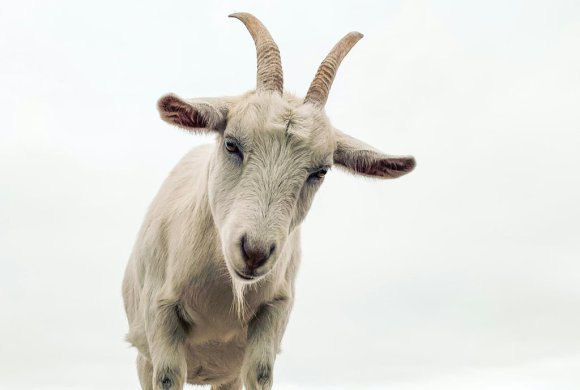
Goats play an important role in managing land and vegetation. They are natural browsers, meaning they prefer to eat leaves, shrubs, weeds, and rough plants rather than short grass.
Because of this behavior, goats are often used to clear land that is difficult to manage with machines. They can reduce invasive plants and overgrown bushes that compete with crops.
Using goats for land clearing has environmental benefits. It reduces the need for chemical herbicides and fuel-powered machines, which can harm soil and air quality. Goats work slowly and naturally, allowing ecosystems time to recover.
When managed carefully, they help maintain healthy landscapes rather than destroy them.
Goat manure is another environmental advantage. It is dry, easy to handle, and rich in nutrients that improve soil quality. Farmers use it to fertilize fields and gardens, helping crops grow without synthetic fertilizers. This supports sustainable farming practices and protects water sources from pollution.
In many farming systems, goats fit well into mixed agriculture. They recycle plant waste into useful products while supporting soil health. Their ability to live on land that is unsuitable for crops makes them especially valuable in areas facing climate stress or limited agricultural space.
Goats in Daily Life
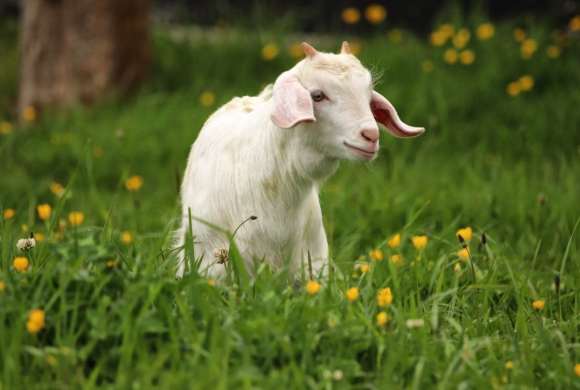
Goats are well suited to small farms and family households because they are easy to manage. They are social animals that learn routines quickly and respond well to regular human contact. Their size makes them safer and easier to handle than larger livestock, even for younger family members.
Keeping goats is also relatively affordable. They do not require expensive shelters and can find much of their food by browsing. With proper fencing and basic care, goats can live comfortably in many environments. This makes them accessible to families with limited income.
In some regions, goats are trained as pack animals. They can carry loads on narrow paths and steep terrain where vehicles cannot go. This is useful in mountainous areas and reduces environmental damage caused by roads.
Goats even provide resources beyond food and materials. In some communities, dried goat dung is used as fuel for cooking fires. While this is not common everywhere, it shows how goats contribute to self-sufficiency.
Overall, goats are versatile animals that support food security, income, environmental care, and daily life. Their ability to meet many needs at once explains why they remain essential to small farmers around the world.
Sources:
Leave a Reply