


As businesses continue to grow, so does their environmental footprint. With rising energy costs and stricter regulations, more companies are turning to green business models. These models focus on maximizing energy efficiency while reducing waste and minimizing environmental impact.
In fact, as industries embrace energy-efficient solutions, they not only lower operational costs but also strengthen their brand by appealing to eco-conscious consumers. But what exactly are the industry tools and solutions that are helping the companies?
Are you curious as well? Let’s find out!
Energy Audits: Identifying Efficiency Opportunities
Conducting an energy audit is one of the first steps toward creating a green business model. It allows companies to assess their current energy consumption and identify areas for improvement. This way, businesses can find inefficiencies and develop strategies to reduce their overall energy consumption.
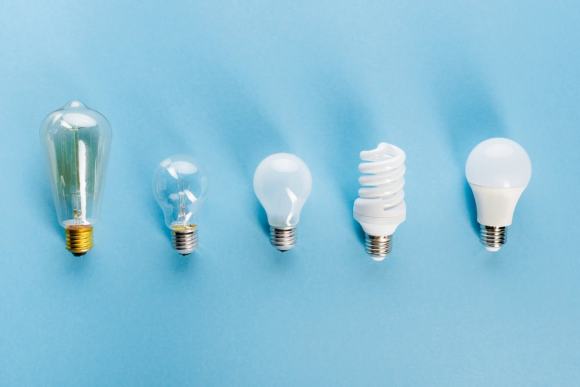
For example, an energy audit might reveal that outdated lighting systems are consuming far more power than necessary. By switching to LED lighting or automated lighting systems, businesses can significantly cut their electricity bills and reduce their carbon footprint.
It also looks at equipment efficiency, heating, cooling, and ventilation systems. The goal is to provide businesses with a comprehensive plan to optimize energy use while maintaining or improving operational performance. Once inefficiencies are identified, businesses can take action, implement energy-saving strategies, and track progress over time.
Watertube Boilers: A Modern Solution for Efficient Energy Use
Watertube boilers are an excellent choice for industries looking to improve energy efficiency. Unlike traditional boilers, which rely on large tanks to heat water, water tube boilers use water tubes to circulate steam. This design allows for faster heating and less fuel consumption.
Industries like manufacturing and food processing benefit from this energy-saving technology. Plus, it produces fewer emissions, making them a more eco-friendly option. When considering buying a watertube boiler, companies can expect reduced operational costs, as these boilers require less maintenance and have a longer lifespan.
Upgrading to this modern boiler technology is an investment in both efficiency and sustainability, helping businesses meet energy goals while reducing their environmental impact.

Smart Manufacturing: Leveraging IoT for Efficiency
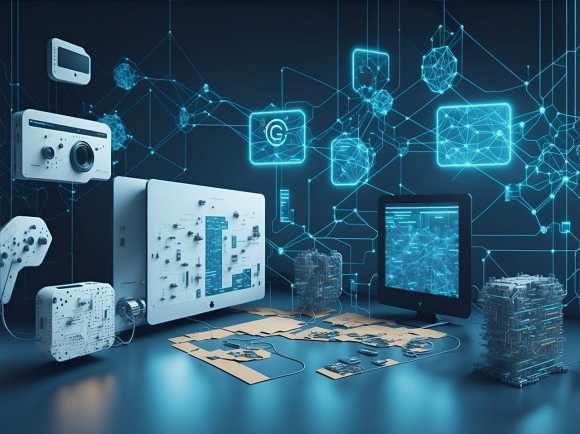
The Internet of Things (IoT) revolutionizes how businesses monitor and manage energy use. By connecting industrial machinery to the internet, companies can gather real-time data on how efficiently their equipment is running. Smart sensors can track energy consumption, monitor temperature, detect malfunctions, and adjust systems automatically to save energy.
For example, IoT-enabled sensors on a factory floor can detect when machines are not in use and power them down to save energy. Similarly, smart thermostats and energy management systems can adjust heating and cooling to maintain optimal temperatures while minimizing unnecessary energy use.
By leveraging IoT, businesses can make data-driven decisions that reduce energy waste, improve operational efficiency, and create a more sustainable production process. It boosts energy efficiency and provides valuable insights that help companies plan for long-term sustainability goals.
Recycling and Waste Reduction in Industrial Processes
A significant part of green business models is waste reduction. Industrial processes, especially in sectors like manufacturing and construction, generate large amounts of waste that can contribute to environmental harm if not managed properly.
Recycling and reusing materials within industrial processes is a simple but powerful solution. For example, many factories now use closed-loop recycling systems where materials like water, metal, and plastic are reused, reducing both waste and the need for new raw materials.
Implementing green supply chain practices is another way companies are minimizing waste. Businesses can source materials from suppliers that prioritize sustainable and recycled goods, reducing the environmental impact of production.
In addition, businesses are exploring ways to turn waste into energy. Processes like cogeneration (using waste heat to generate electricity) allow companies to convert waste by-products into usable energy, reducing their reliance on non-renewable energy sources.

Renewable Energy Integration: The Future of Industrial Efficiency
No discussion of energy efficiency would be complete without mentioning renewable energy. Solar, wind, and geothermal energy sources are becoming increasingly popular in industrial settings. Businesses are recognizing that integrating renewable energy not only reduces their carbon footprint but also offers long-term cost savings.
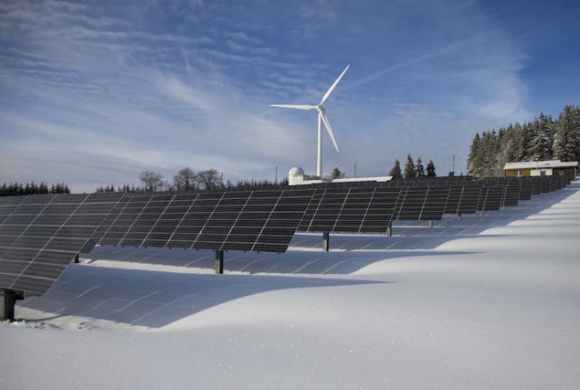
For instance, installing solar panels on industrial facilities allows companies to generate their own electricity. This reduces dependence on the grid, lowers energy costs, and helps businesses meet their sustainability goals. Wind turbines and geothermal systems are also gaining traction in industries where high energy consumption is a concern.
To Sum It All Up
Green business models are no longer just a trend—they are necessary for companies that want to remain competitive while reducing their environmental impact. By adopting these sustainable practices, companies reduce operational costs and build a positive brand reputation that appeals to modern consumers who value environmental responsibility.
The future of industrial success lies in green solutions, and businesses that embrace these changes will lead the way in creating a sustainable, energy-efficient world.
Leave a Reply