


For small-scale farmers, balancing productivity with environmental responsibility can be a challenging task.
Many feel the strain of rising operational costs and the pressure to meet consumer demand for eco-friendly produce, all while trying to protect their soil and local ecosystems.
With the right sustainable farming tools, however, farmers can reduce their environmental impact, cut operational costs, and improve soil health.
Adopting eco-friendly equipment not only benefits the environment but also strengthens the resilience and efficiency of small farms.
Why Are Agricultural Equipment Used by Small-Scale Farmers?
Small-scale farmers use agricultural equipment to enhance productivity, save time, and reduce labor. In Texas, where agriculture is foundational to local communities and the economy, having access to reliable, high-quality tools can significantly impact farming outcomes. The right equipment, available through john deere dealer texas, is designed to bring out the best in agricultural practices by boosting efficiency and productivity.
Advanced machinery, such as compact tractors and specialized planting tools, helps farmers save costs by reducing fuel and resource use while requiring less manpower for labor-intensive tasks. By optimizing operations with such equipment, small-scale farmers can maximize yields, minimize time in the field, and achieve sustainable practices tailored to the demands of their land and scale.
Why Green Farming Equipment Matters

By adopting sustainable farming tools and equipment, small-scale farmers can achieve numerous benefits that support both their business and the environment. Sustainable practices help reduce carbon footprints, making farms more eco-friendly. Additionally, these tools can lower operational costs by cutting down on fuel and resource use, leading to savings of up to 25%.
Improved soil health and increased biodiversity are also key benefits, as eco-conscious tools foster a more balanced ecosystem. With healthier soil, farmers can boost crop yields while using fewer resources, all while meeting the rising consumer demand for sustainably grown produce.
Essential Green Farming Equipment for Sustainable Success
1. Wheel Hoe: Your Eco-Friendly Weed Management Solution
Description: Combines traditional farming wisdom with sustainable practices for weed management.
Key Benefits:
- Reduces the need for chemical herbicides
- Precise control in tight spaces
- Requires no fuel or electricity
- Maintains soil structure
- Excellent maneuverability
2. Silage Tarps: The Soil Health Guardian

Description: Simple but effective for soil fertility and weed suppression.
Notable Features:
- Preserves soil moisture
- Naturally suppresses weeds
- Enhances organic matter decomposition
- Reduces the need for synthetic fertilizers
- Regulates soil temperature
3. BCS Tractor: The Sustainable Powerhouse
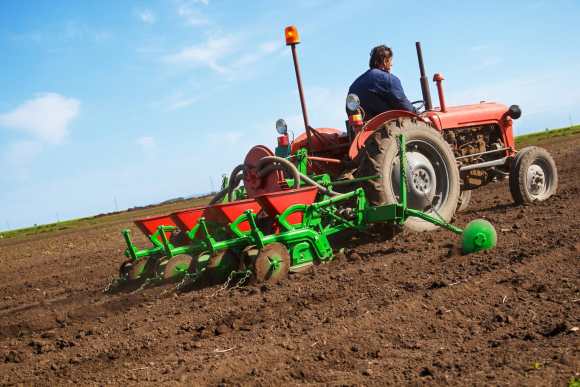
Description: A versatile walk-behind tractor ideal for small-scale farms.
Advantages:
- Lower soil compaction
- Multiple attachments for various tasks
- Fuel-efficient and low-maintenance
- Perfect for small-scale operations
4. Power Harrow: Soil Structure’s Best Friend
Description: Essential for sustainable soil management and seedbed preparation.
Key Features:
- Preserves soil structure
- Efficient seedbed preparation
- Reduces erosion risk
- Enhances water infiltration
- Supports healthy root development
5. Broadfork: Deep Soil Aeration Master
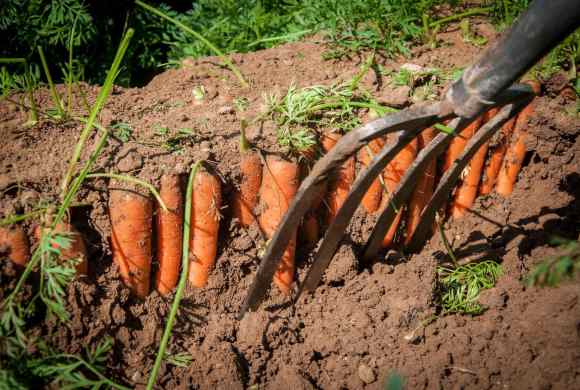
Description: An eco-friendly tool for deep soil aeration without powered equipment.
Benefits:
- Maintains natural soil layering
- Improves water drainage
- Enhances root growth
- No fuel or electricity required
- Promotes soil biological activity
6. Soil Blocker: Waste-Free Seed Starting
Description: Eco-friendly alternative to plastic for seed starting.
Advantages:
- Eliminates plastic waste
- Improves transplant success
- Reduces root disturbance
- Saves storage space
- Promotes stronger root systems
7. Hydroponics Systems: Water-Wise Farming
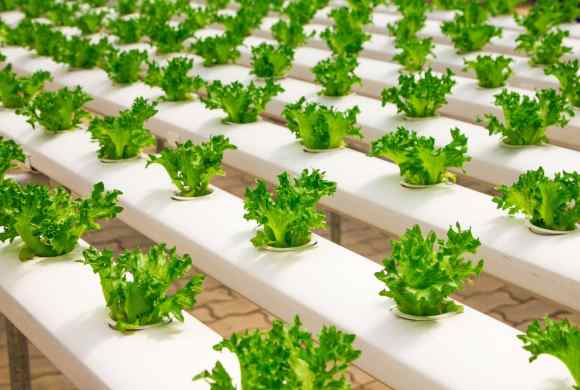
Description: Advanced sustainable farming with high water efficiency.
Key Benefits:
- Reduces water usage by up to 90%
- Minimizes pest and disease issues
- Maximizes space efficiency
- Allows year-round growing
- Reduces soil-related issues
8. Smart Irrigation Systems: Precision Water Management
Description: Essential technology for water-efficient farming.
Notable Features:
- Weather-based watering adjustments
- Remote monitoring capabilities
- Reduces water waste
- Improves crop health
- Lowers operating costs
Comparison of Green Farming Equipment
| Equipment | Initial Cost | Resource Savings | Maintenance Needs | Lifespan (Years) | Environmental Impact |
| Wheel Hoe | Low | High | Low | 10+ | Minimal |
| Silage Tarps | Low | Medium | Low | 3-5 | Low |
| BCS Tractor | High | Medium | Medium | 15+ | Low-Medium |
| Power Harrow | Medium | Medium | Medium | 10+ | Low-Medium |
| Broadfork | Low | High | Low | 20+ | Minimal |
| Soil Blocker | Low | High | Low | 5+ | Minimal |
| Hydroponics | High | Very High | Medium | 10+ | Low |
| Smart Irrigation | Medium | Very High | Medium | 8+ | Low |
Innovation in Sustainable Farming Equipment

Innovative technologies are transforming small-scale farming, blending modern efficiency with traditional sustainable practices. Tools like GPS-guided systems and automated equipment are reducing resource waste, making sustainable farming more accessible and effective than ever.
Emerging Trends in Small-Scale Farming
- Crop Monitoring with AI: It analyzes the health of the plants because of high-powered AI and provides growth and yield forecasts, enabling timely intervention and care.
- Precision Farming through Drone Technology: Drones are of great assistance in the monitoring of crops, locating of pests, and irrigation with much better precision compared to previous traditional methods, therefore saving a lot of useful time and resources.
- Solar-powered farming equipment: An eco-friendly and cost-effective tool that would reduce the farmers’ dependence on conventional sources of energy.
- Smart Soil Sensors: Sensor nodes for monitoring moisture, nutrient levels, and soil health will help in making data-driven decisions to optimize crop health.
- Mechanical Maturity Solutions: Mechanical assistants reduce the drudgery associated with harvesting and hasten processes, thereby reducing the requirement for labor without sacrificing the quality of the crop.
This technology-driven shift makes sustainable small-scale farming more efficient, productive, and environmentally friendly.
Making the Transition to Sustainable Farming
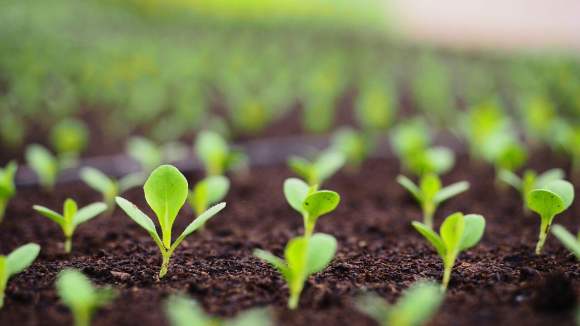
Transitioning to green farming equipment can be a gradual process, allowing farmers to adopt sustainable practices at a comfortable pace. Start by incorporating basic manual tools, like the broad fork and wheel hoe, which are effective and environmentally friendly. Next, consider investing in soil management tools such as silage tarps, which improve soil health without heavy equipment.
As your needs and budget grow, add powered equipment that enhances efficiency while still aligning with green practices. Gradually integrating smart technology, like soil sensors or GPS-guided systems, can further optimize resource use. Over time, continue updating and expanding your sustainable toolkit to create a farm that’s both productive and eco-friendly.
Wrapping Up
Efficient and sustainable agricultural machinery integration in small-scale farming has transformed operations. Small-scale farmers, through the use of tools that uphold eco-friendly approaches, can enhance their productivity by cutting costs and contributing to environmental health positively.
This gradual shift favors not only better crop yields and soil health but also meets the consumer demand for sustainable produce. Small-scale farmers have more opportunities with technological advancement to adapt green practices, securing a resilient future for agriculture with regard to sustainability.
Frequently Asked Questions
What is a farmer’s most important piece of equipment?
A tractor can be said to carry the major significance of being the most important utensil in a farmer’s possession. Its versatility allows its use in many manners: from plowing to planting and harvesting in different farm operations.
What do farmers need the most?
Farmers rely most on quality equipment, fertile soil, water, and efficient management practices. Among these, reliable machinery like tractors and irrigation systems are essential for maintaining productivity and crop yield.
What is the best piece of farm equipment?
The best farm equipment is, of course, different from the need of one’s farm, but basically, tractors are considered indispensable because of their versatility, efficiency, and capability to operate various attachments for multiple purposes.
Leave a Reply