


Every year, huge numbers of trees are cut down to make toilet paper, which harms our planet by causing forests to disappear. But in some places, people are finding a more natural and Earth-friendly solution: they’re growing their own toilet paper.
In Meru, Kenya, a man named Benjamin Mutembei has been using leaves from a plant called Plectranthus barbatus as toilet paper for almost 40 years. He learned this from his grandfather and has been growing the plant in his backyard ever since. He says the leaves are “soft and has a nice smell.”
Can We?

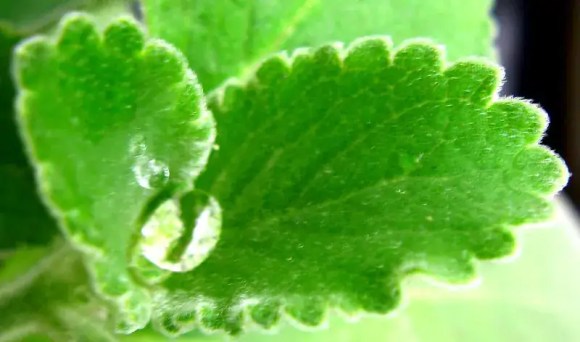
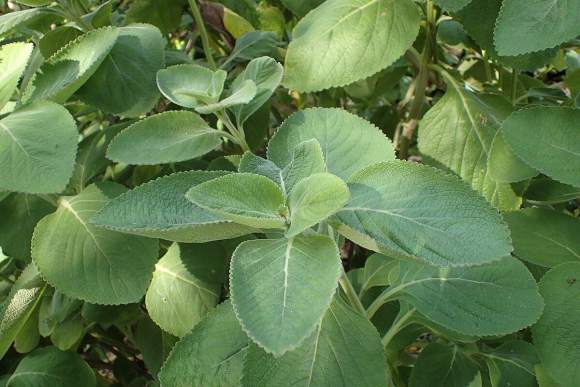
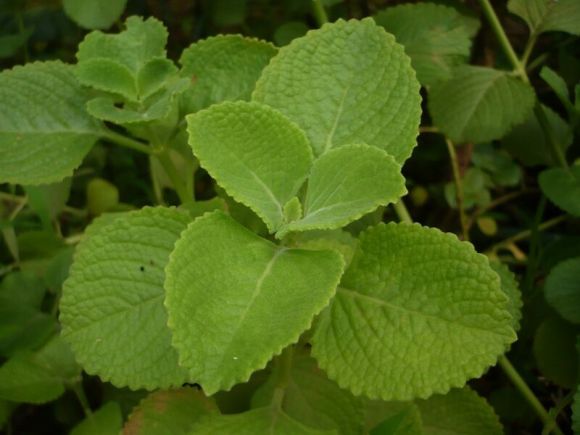
The Plectranthus barbatus plant is a leafy bush that can grow up to 6.6 feet (2 meters) tall. Its leaves are big, soft, and covered in tiny hairs, which make them gentle on the skin. The plant also has a fresh, minty-lemon smell. It grows quickly in warm places, making it a handy and free option compared to toilet paper bought from a store.
For Mutembei, using this plant is a simple way to save money. He only buys store-bought toilet paper when his leaves run out. He calls it “African tissue” and says it’s been a trusted solution for generations in many parts of Africa, especially in the countryside. Many people in his home prefer using the plant.
The way we make toilet paper today uses a lot of trees. About one million trees are cut down every year just for toilet rolls. The industry that makes paper and pulp uses the most new wood in the world, taking about 35% of all cut trees for paper products. This leads to deforestation (cutting down too many trees), soil washing away, losing different types of plants and animals, and making climate change worse.
Toilet paper is also getting more expensive, especially in Africa. The high price of raw materials like wood pulp makes it harder for many people to afford. In Kenya, 75-80% of the cost of toilet paper comes just from the raw materials.
Using Plectranthus barbatus offers a free and natural choice. The plant grows fast from small pieces (cuttings), reaching its full size in just one to two months. A small cutting costs only about $0.37 (50 Kenyan shillings), which is much cheaper than buying toilet paper regularly.
An Old Answer for New Problems
Martin Odhiambo, who studies traditional plants at the National Museum of Kenya, believes Plectranthus barbatus can help reduce the environmental harm caused by the toilet paper industry. He calls it “African toilet paper” and wants to teach more people about its benefits.
Many younger people in Kenya don’t know about this plant. But Odhiambo is trying to change that. He teaches classes about traditional plants and has over 600 students learning about Plectranthus barbatus.
He says people are very interested, and many take cuttings and small plants home to grow their own. While there’s no official count of how many people use this plant as toilet paper, it’s still widely grown across Africa, especially in rural areas.
Besides being used in homes, people sometimes grow it to mark their land boundaries. The leaves are about the same size as regular toilet paper sheets, making them easy to use. They work with both modern flush toilets and composting toilets (which turn waste into fertilizer), making them a flexible and eco-friendly option.
Growing Toilet Paper in Other Countries
The idea of using Plectranthus barbatus for your wipe isn’t just in Africa. In Florida, USA, an environmental activist named Robin Greenfield has been growing and using the plant for the past five years.
Greenfield runs a “grow your own toilet paper” project, where he grows over 100 of these plants at his nursery. He gives away cuttings for free or accepts small donations to encourage others to grow their own. Hundreds of people have received cuttings from him and are now growing the plant themselves.
Greenfield knows that some people might think using leaves means you’re poor. But he reminds everyone that industrial toilet paper is also made from plants—just in a way that’s not as good for the Earth. Many of his followers have been excited to try the plant and have had good experiences. He encourages anyone who is unsure to try it, asking, “If it’s soft, natural, and free, why not give it a try?”
Widespread Use
Despite its many benefits, Plectranthus barbatus isn’t currently used for large-scale toilet paper production. Instead, big toilet paper makers are trying to be more eco-friendly in other ways.
For example, one of Europe’s largest toilet paper producers, WEPA, now uses recycled cardboard instead of wood pulp. This means they don’t need to bleach the paper, which is a harmful process that releases dangerous chemicals into the environment.
Traditional toilet paper is often bleached to make it white. This process pollutes the air and water with chemicals that can cause health problems like cancer.
Using unbleached, recycled materials is a step forward, but it still requires factories, packaging, and transportation, all of which use energy and resources. Plectranthus barbatus, on the other hand, is a completely natural solution that needs no processing at all.
There are some challenges to making Plectranthus barbatus a common choice everywhere. In many countries, city wastewater systems are only designed to handle regular toilet paper that dissolves easily. Flushing plant leaves could block pipes, meaning people would need to use composting toilets instead.
Greenfield believes composting toilets are actually better for the planet. He says, “When you use these leaves with a compost toilet, everything goes back to the earth, helping to create rich soil for growing food.” This cycle is much better for the environment than sending waste into sewage systems.
Another problem is that Plectranthus barbatus is considered an invasive species in some places, like South Africa. Invasive plants spread quickly and can harm local ecosystems by taking over from native plants. In places where the plant isn’t native, its growth would need to be carefully watched to stop it from spreading too much.
Changing Toilet Paper
Even with these challenges, some environmental experts believe Plectranthus barbatus could become a green alternative to regular one. Odhiambo remains hopeful. He says, “I know some people think using leaves instead of toilet paper is a step backward. But once people understand the benefits, I believe it could become more widely accepted.”
As more people become worried about deforestation and waste, there’s growing interest in natural, sustainable options. If people’s ideas change, Plectranthus barbatus could someday be produced in large amounts and be widely available.
For now, people like Benjamin Mutembei, Martin Odhiambo, and Robin Greenfield are showing that growing your own toilet paper is not only possible but also better for the Earth.
The world faces serious environmental problems, and industries like toilet paper production contribute to them. While solutions like recycled paper help, they don’t completely solve the issues of cutting down trees, pollution, and waste.
Natural choices like Plectranthus barbatus offer a completely sustainable option. If more people are willing to try it, and if cities change their waste systems to handle it, the idea of growing your own toilet paper could become a normal part of daily life. It might take time, but with more awareness and education, the future of toilet paper could be “green”.
Sources:
Leave a Reply