


Artificial Intelligence (AI) is increasingly playing a crucial role in preserving and safeguarding the natural environment. Conservationists and environmental scientists are leveraging AI technologies to monitor and manage ecosystems, track wildlife, and combat issues such as deforestation and climate change.
One prominent application is the use of machine learning algorithms to analyze satellite imagery and identify changes in vegetation patterns, deforestation, or illegal logging activities. Additionally, AI-powered drones equipped with sensors are employed for real-time data collection, helping monitor wildlife populations, detect poaching activities, and assess the health of ecosystems.
Machine learning models also aid in predicting and mitigating the impacts of climate change by analyzing vast datasets to identify patterns and trends.
The integration of AI in environmental conservation not only enhances the efficiency of monitoring efforts but also provides valuable insights for policymakers, enabling more informed decisions in the pursuit of sustainable and eco-friendly practices.
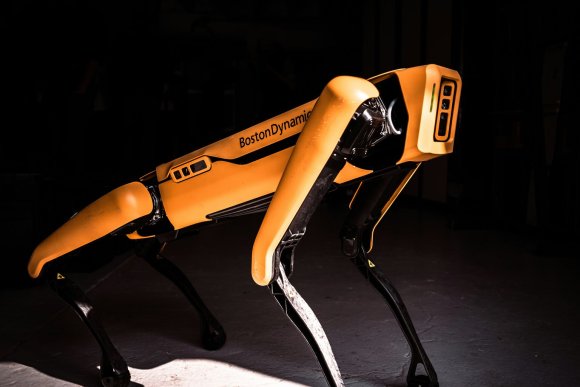
Artificial Intelligence (AI) stands as a formidable ally in the global effort to preserve nature and address the pressing environmental challenges facing our planet. One of the primary ways AI contributes to conservation is through advanced data analysis of satellite imagery.
Machine learning algorithms are adept at processing vast amounts of data, enabling the identification of subtle changes in land cover, deforestation rates, and habitat loss. This capability empowers conservationists to monitor ecosystems on a large scale, identify areas at risk, and implement targeted interventions.
AI-driven predictive models are also instrumental in understanding the complex interactions within ecosystems and predicting the impacts of climate change. By analyzing diverse environmental datasets, AI helps scientists identify trends, assess risks, and formulate adaptive strategies.
Drones equipped with AI-powered sensors offer a dynamic approach to wildlife monitoring, providing real-time data on animal movements, population dynamics, and the detection of poaching activities. Furthermore, machine learning algorithms are utilized to analyze acoustic data, helping identify and track endangered species through their unique vocalizations.
The integration of AI technologies in conservation efforts not only enhances the speed and accuracy of data analysis but also fosters a more comprehensive and proactive approach to environmental management, steering humanity towards a more sustainable coexistence with nature.
Introduction for AI

In the face of unprecedented environmental challenges, the integration of artificial intelligence (AI) has emerged as a powerful tool to preserve and protect our planet’s precious natural resources.
AI applications are playing a pivotal role in monitoring ecosystems, managing wildlife conservation, and mitigating the impact of climate change. This article explores the ways in which AI is being employed to preserve nature, offering innovative solutions for a more sustainable and resilient future.
Remote Sensing and Monitoring
One of the key contributions of AI to environmental preservation is its role in remote sensing and monitoring. Satellite imagery, drones, and sensor networks equipped with AI algorithms enable real-time monitoring of ecosystems.
These technologies provide invaluable data on deforestation, land use changes, and the health of biodiversity hotspots. By processing vast amounts of data quickly and accurately, AI helps identify potential threats to ecosystems, allowing for proactive conservation efforts.
Wildlife Conservation

AI is revolutionizing wildlife conservation efforts by aiding in the tracking, monitoring, and protection of endangered species. Smart camera traps and acoustic sensors, powered by AI, can analyze vast amounts of data to identify and track individual animals.
This technology helps researchers and conservationists better understand animal behavior, migration patterns, and population dynamics, leading to more effective conservation strategies.
Predictive Analytics for Climate Change with AI
AI is proving to be a valuable asset in predicting and mitigating the impacts of climate change. By analyzing climate data, AI models can predict extreme weather events, sea-level rise, and changes in temperature patterns.
This information is crucial for developing adaptive strategies to protect vulnerable ecosystems and communities. AI-driven climate models also aid in the development of renewable energy solutions, contributing to a more sustainable and resilient energy infrastructure.
Precision Agriculture

In the realm of sustainable land management, AI is being applied to precision agriculture. By leveraging AI algorithms, farmers can optimize resource utilization, minimize environmental impact, and enhance crop yields.
Smart sensors and data analytics enable precise monitoring of soil health, water usage, and crop conditions. This data-driven approach allows farmers to make informed decisions, reducing waste and minimizing the ecological footprint of agriculture.
Conservation Drones with AI
Drones equipped with AI capabilities are becoming indispensable tools in conservation efforts. These unmanned aerial vehicles can cover vast areas quickly, collecting data on terrain, vegetation, and wildlife.
AI algorithms process this data to identify and assess environmental changes, enabling efficient conservation planning. Conservation drones are particularly useful in inaccessible or remote regions, providing a cost-effective means of monitoring and preserving diverse ecosystems.
Conclusion

While AI content generator is booming nowadays with ChatGPT and the AI checker to prevent from AI plagiarism, they produce a lot of CO2. The challenges of environmental conservation continue to escalate, the integration of AI offers a beacon of hope. From remote sensing and wildlife conservation to climate change mitigation and precision agriculture, AI is proving to be a transformative force in preserving nature.
By harnessing the power of technology, we can work towards a more sustainable and harmonious coexistence with the natural world, ensuring that future generations inherit a planet teeming with biodiversity and flourishing ecosystems.
Leave a Reply