

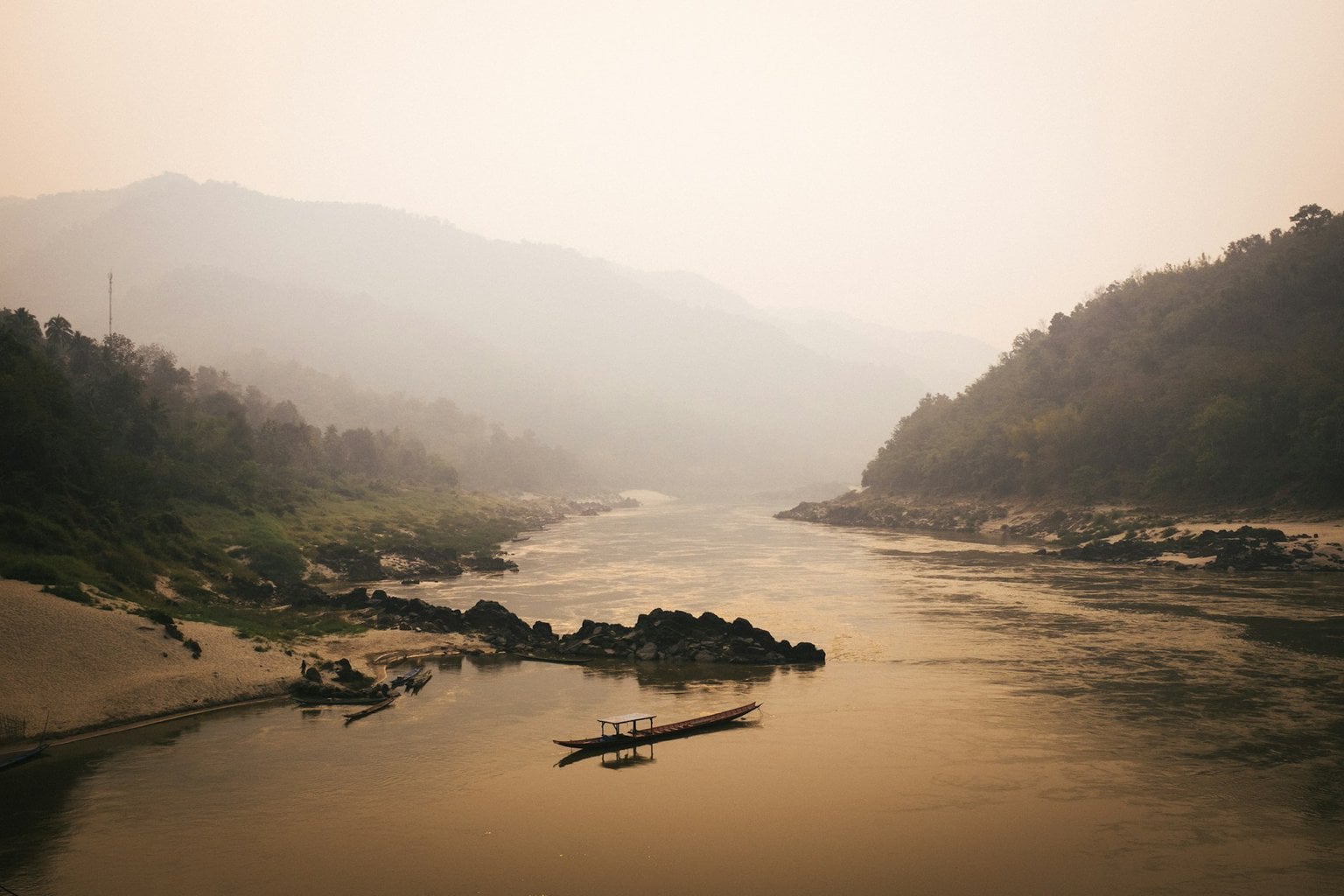
The Mekong River Basin, in Southeast Asia, has some remarkable fish and fisheries.
It’s got the third highest number of fish species in any river basin on the planet, it hosts the largest freshwater fishery with 15% of the world’s freshwater harvest, and it’s home to some “giant” freshwater fish species–some can get up to 100 pounds in weight and five feet in length.
Also, the river is famous for its largest migratory movement; about 5 billion fish go through this journey per year.
To put it simply, the Mekong River is one of the most diverse and productive rivers in the world. It supplies protein to over 40 million people who rely on its fish.
Unfortunately, these fish populations are under severe threats.
Many of the river’s giant fish species are getting critically endangered. Moreover, the overall fish populations have declined by almost 90% in Cambodia’s Tonle Sap Lake, the most productive part of the basin, over the past two decades.
Experts argue that the primary threat of these fish is the rapid expansion of hydropower dams in the region over the last 20 years.
These dams have hindered fish migration routes, altered water levels as well as flow patterns, and trapped important sediment and nutrients crucial for the health of river habitats and food webs.
Scientist Jeff Opperman at WWF explores additional threats to Mekong fishes and fisheries. He proposed an Emergency Recovery Plan for Freshwater Biodiversity in the Mekong.
Opperman and colleague Kathy Hughes have released the plan and other details in the Mekong Forgotten Fishes report published by the WWF and 25 partner organizations.
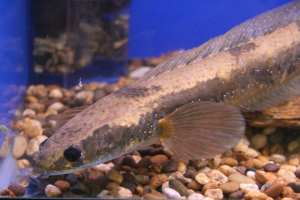
As mentioned, the key threats include habitat loss exacerbated by hydropower dams, sand and gravel mining, levee construction, and conversion of land for agriculture and aquaculture.
Other than that, invasive species, like tilapia escaping from aquaculture, pose another significant threat by competing with native species for resources and spreading disease.
Furthermore, there are also unsustainable fishing practices like explosives, electrocution, and poisoning. Combined with climate change that alters water temperatures and flow patterns, Mekong fisheries are suffering great challenges.
A plan for recovery
The plan outlines a comprehensive strategy to safeguard and revitalize the fish populations and fisheries of the Mekong River.
Oppermand and Hughes focus on six key pillars.
First is restoring natural river flows. The flow patterns of rivers, including the timing and volume of water fluctuations, are crucial for the functioning of freshwater ecosystems and the behavior of fish.
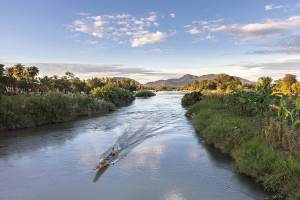
For instance, seasonal increases in flow trigger fish migrations and adequate flow levels are essential for fish movement between rivers and floodplain wetlands.
The growing number of dams in the Mekong, adding up to as many as 170 hydropower dams, has disrupted natural flow patterns. Many dams store water during the wet season and release it during the dry season, altering flow regimes significantly.
Therefore, managing dams to release environmental flows, as practiced in other river basins, can help maintain or restore essential ecosystem functions. Guidance on environmental flows specific to the Mekong is available for dam operators to inform their operations.
Second, enhancing water quality. Now, water pollution isn’t too big of a problem to the fish populations in Mekong. However, localized pollution issues exist and warrant continuous monitoring of water quality.
What’s interesting is that a critical challenge for Mekong water quality is the reduction of sediment in the water.

Historically, large rivers like the Mekong naturally carried substantial sediment loads, which provided essential nutrients for aquatic food webs and shaped river habitats with sediment like sand and gravel.
But as we know, many sediment particles are now trapped behind dam reservoirs, leading to the release of clear water downstream.
Clear water may appear clean but it lacks the nutrients and physical structure that support fish habitats and food webs.
Some dams can flush sediment through their reservoirs, but maintaining free-flowing river sections is crucial to preserving sediment in rivers.
Third, preserving and restoring critical habitats and species.
Protecting and restoring key habitats such as river channels, floodplains, and wetlands are vital for sustaining and recovering fish populations in the Mekong.
Under the Kunming-Montreal Global Biodiversity Framework, 200 countries including those in the Mekong basin, commit to conserving and restoring essential freshwater ecosystems.
Launched a year ago, the Freshwater Challenge is a nation-led initiative aimed at fulfilling these commitments.
The Challenge itself strives to safeguard critical freshwater habitats and restore 300,000 kilometers of degraded rivers. It also aims to restore and conserve 350 million hectares of degraded wetlands globally by 2030.
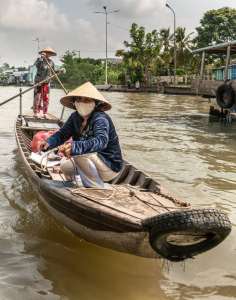
More than 40 countries have already joined the Challenge, including Cambodia. Opperman argued that other Mekong countries should join the Challenge.
Fourth, ending unsustainable resource management practices. Sediment in the Mekong is rapidly declining due to trapping in reservoirs and unregulated sand mining from river beds and banks.
Governments need to monitor sediment carefully and establish sustainable “sand budgets” to regulate extraction levels.
Additionally, governments should invest in capacities to enhance fisheries management aligned with the Mekong River Commission’s Basin-wide Fisheries Management and Development Strategy.
Fishermen themselves understand the risks of unsustainable practices and can contribute to sustainable management solutions.
An example of that solution is the community-managed Fish Conservation Zones that have successfully boosted fish abundance and diversity in various parts of the Mekong basin.

Fifth, preventing and managing non-native species. Opperman stated that the number of invasive fish species in the river has gone up significantly over the past two decades.
Further research and monitoring are crucial to understand their impact on fish and fisheries. Moreover, Opperman argued that governments should implement regulations to limit the introduction of non-native species.
Sixth, safeguarding free-flowing rivers. Various measures can be employed to officially protect rivers. However, for the Mekong, the most urgent action is to avoid constructing new dams on free-flowing rivers.
Hydropower dams have been the primary cause of river fragmentation, threatening Mekong fish populations and the crucial Mekong Delta. The delta, as we know, supports 20 million people and contributes one-quarter of Vietnam’s GDP.
According to Opperman, extensive research shows that the region can develop low-carbon, low-cost power without further fragmenting free-flowing rivers.

This can be achieved through strategic dam siting, promoting alternative renewable energy sources, or a combination of these approaches.
Despite viable alternatives, construction is underway on a new dam on the last major free-flowing tributary of the Mekong, the Sekong, and another on the mainstem Mekong near the historic town of Luang Prabang—a UNESCO World Heritage Site.
These developments indicate a troubling trend for the health of the Mekong.
Nevertheless, the fish and fisheries of the Mekong remain vital resources that should be conserved for the region’s people.
To prevent the worst case scenario from happening in the Mekong, Opperman urged for immediate action from countries to implement policies and management practices.
Source
Leave a Reply