

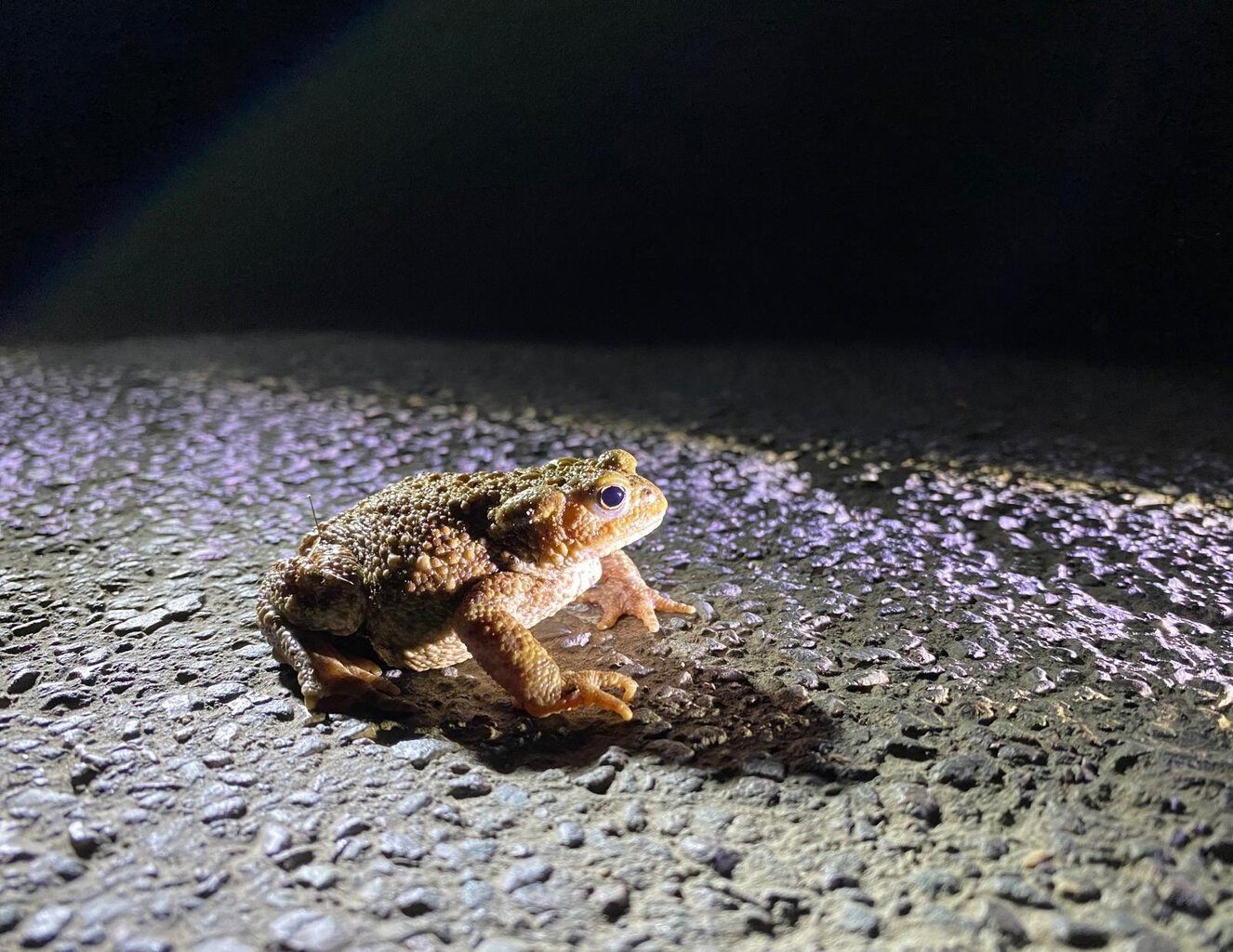
In the countryside near the city of Bath, in southwest England, something special happens every year. A group of kind volunteers go out in the evening to help small animals cross the road. But these are not cats or dogs—they are toads, frogs, and newts!
These animals need to travel to ponds to lay their eggs in the spring. But to get there, they must cross a busy road. Many were getting run over by cars. So local people formed a group called the Charlcombe Toad Rescue Group to help them.
For more than 30 years, this group has worked hard to protect the local amphibians. In that time, they have saved over 50,000 toads and other creatures.
This is a story of care, teamwork, and love for nature to inspire you with the most delicate ribbit.
Why Toads Cross the Road

Toads, frogs, and newts are amphibians. This means they live both on land and in water. In the spring, they return to the ponds or lakes where they were born to lay eggs. This is called their “breeding season.”
The animals usually start moving in late winter or early spring, often in February or March. They wait for a rainy evening and then start their journey. In many places, the animals’ homes are separated by roads.
These roads were built long after the animals first started their journeys. When the amphibians cross the roads, they move slowly. Many get hit by cars. In some places, more than half of the animals die before they can reach the water.
This is what happened on Charlcombe Lane, a small road near Bath. For years, hundreds of toads died during migration. People who lived nearby started to notice and wanted to help.
They formed a group of volunteers who would go out in the evenings and help the toads cross safely. The group worked with the local council to find a better solution. Since 2003, the council has agreed to close a 0.5-mile (0.8-km) stretch of the road for six weeks each year during the breeding season.
What the Toad Rescue Group Does
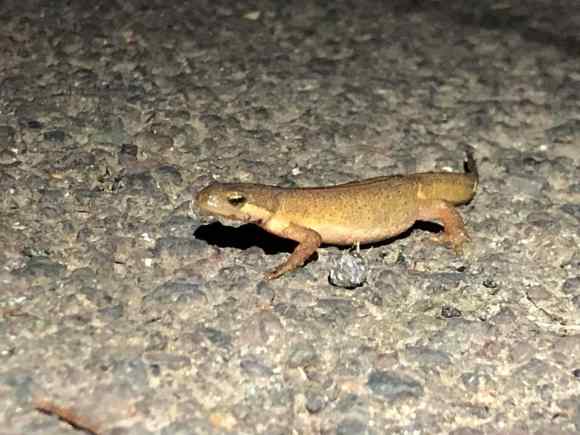
Every night during the migration season, around 50 volunteers put on reflective vests and carry torches and buckets. They walk along the closed road and gently pick up the toads, frogs, and newts. They wear latex-free and powder-free gloves so they don’t harm the animals’ sensitive skin. Amphibians can absorb chemicals through their skin, so it’s important to be careful.
The volunteers place the animals into buckets, then carry them across the road to the other side, where they can continue toward their ponds. This takes a lot of time and care. Each year, the volunteers spend more than 600 hours helping the animals. That’s like working full-time for several weeks, just to help toads!
Chris Melbourne is one of the leaders of the group. He says the project has made a big difference. Before the road was closed each year, about 62% of the toads died during the crossing. Now, the number is only about 3%. This shows how much the toads depend on the help of people.
The group also keeps detailed records of how many animals they save each year. This helps them understand if the amphibian population is growing or shrinking. In 2025, they had a surprise—someone found a Great Crested Newt, a rare type of newt that had never been seen there before.
Why Toads and Frogs Are Important
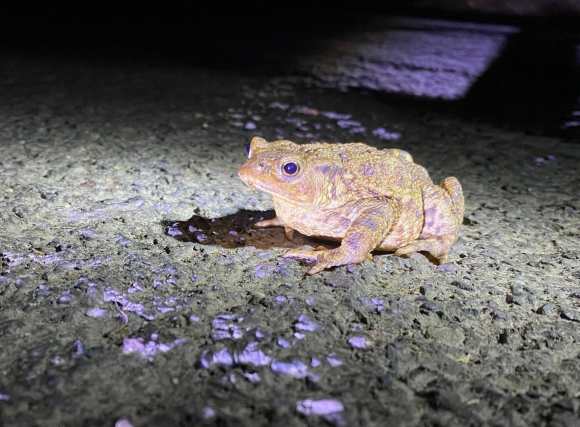
You might wonder—why go to so much trouble to save toads? These animals are very important to nature. Amphibians eat insects like mosquitoes, helping to control pests. They are also food for birds, snakes, and other animals. They play a key role in the food chain.
Toads, frogs, and newts also help scientists learn about the health of the environment. Because they live in both water and on land, they are very sensitive to pollution and climate change. If the number of amphibians in an area starts to drop, it may be a sign that something is wrong with the local environment.
Sadly, amphibians around the world are in danger. Many have lost their homes because of building and farming. Others are sick from a disease called chytrid fungus. Pollution in water and changing weather also make it hard for them to survive. In the UK, toad numbers have gone down by more than two-thirds in the last 30 years.
Helping amphibians during migration is one way people can protect them. Many other toad patrols now exist across the UK and in other countries. But there are still only a few places, like Charlcombe Lane, where roads are fully closed just for the toads. Charlcombe is one of only four such road closures in the country.
Challenges from Climate Change

Each year, the toads begin their migration at different times. This depends on the temperature, how much it rains, and the amount of daylight. Warmer weather can make them start moving earlier. But sudden cold can stop them. Climate change makes these patterns harder to predict.
Chris Melbourne says it’s getting more difficult to know when the toads will move. Sometimes they are early, and other times they are late. This makes it tricky to decide exactly when to close the road. Closing it too early or too late means toads could still be in danger.
Still, the group believes it is worth the effort. “Closing the road for six weeks makes such a difference,” says Chris. And many local people support the idea. They know that saving the toads also helps protect the health of their local environment.
Toads return to the same pond year after year. Some may live for up to 10 years in the wild. That means the same toad you helped this year might be back again next year. It’s a long-term job, but one that brings great joy to the people involved.
Sources:
Leave a Reply