


Trees give shade, clean air and beauty, but summer heat can overwhelm them, especially those planted recently. Scorching temperatures and dry skies test their survival as roots struggle to reach water buried in packed urban soils.
People can help by watering with care, using recycled water and protecting the soil around trunks. Experts say new street trees need at least 20 litres of water each week from April to September, especially during hot months.
That’s about two large watering cans! Have you known that? Well, if you don’t, here lets talk about why trees need help, how to water them well, how to protect their soil and how people can step in this summer.
Why Trees Struggle in Summer

Summer heat dries out the ground and makes it difficult for trees to pull up moisture. New trees have shallow roots and suffer the most because they cannot reach deeper pockets of water. In 2023, Atlanta lost nearly a third of its young street trees to drought.
A young oak planted near a sidewalk began to wilt in the sun, its leaves sagging and dull. Even older trees have trouble when underground infrastructure like pipes and cables prevents roots from spreading wide. Giving these trees attention helps them grow strong so they can provide shade and cool cities.
Roots need years to settle, especially in cities where pavement and compacted dirt make the process slower. It takes time for trees to find their own moisture in a maze of cables and hard-packed soil.
A study in Miami in 2024 found that it takes three full years for new trees to root deeply. Without help during that window, they dry out like sponges left in the sun. Watering and consistent care from residents can close that gap, supporting trees until they’re ready to stand on their own.
Heatwaves make the problem worse. In 2023, temperatures in Texas reached 38 degrees Celsius, drying tree pits in parks and along sidewalks. Soil cracked and turned dusty, and trees withered where shade gave way to dry wind.
When rain is scarce, trees become more vulnerable to pests. In 2024, a fifth of California’s urban trees showed pest damage because of heat stress. Giving trees regular care, like deep watering and soil protection, can help them survive the pressure.
How to Water Trees the Right Way
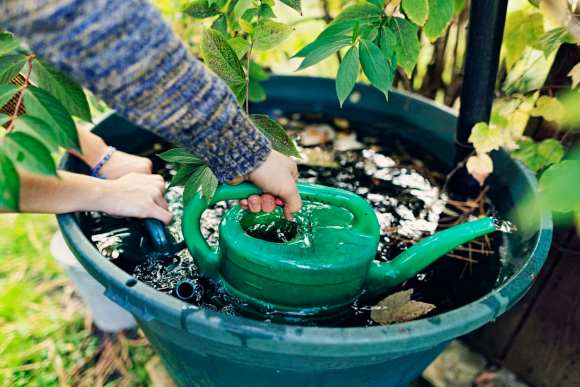
Watering properly makes a huge difference. Deep slow watering every few days works better than light sprinkling. Experts recommend running a hose for fifteen minutes twice a week and loosening the top few inches of soil with a trowel every couple of weeks to help water absorb.
New trees need about fifteen to twenty gallons of water every two to three days. One method is to punch holes in a trash can, fill it and let it drain slowly near the tree’s base. A slow drip soaked the roots while the surface stayed tidy.
Another option is to place a coffee can near the trunk and run a sprinkler until the can fills with two inches of water, a sign that the soil is receiving a proper soak.
Recycled household water helps save resources. Tap or grey water, like dishwater or rinse water from car washes and laundry, can be poured near tree roots if it doesn’t contain bleach.
One poured a bucket of lightly soapy water near the trunk, helping roots stretch deeper. As long as the soil is not saturated, grey water can provide valuable moisture. Check the soil with a trowel, and if it feels dry beneath the surface, water slowly to support the tree without drowning it.
How to Protect Soil Around Trees

Caring for the soil is just as important. Grass surrounding a tree base competes for moisture and should be removed. One city advised people to pull grass away and replace it with mulch. Mulch types like pine straw or shredded bark hold water and reduce evaporation, keeping soil temperatures steady during hot spells.
The mulch you choose depends on the terrain. Pine straw works well on slopes because it stays in place even when it rains. Rubber mulch, on the other hand, traps heat and leaches chemicals into the ground. City workers in New York found another way to protect soil moisture by asking flower vendors to pour leftover water into nearby tree pits. In 2024, some did exactly that and kept street trees alive through dry spells.
It’s important not to pile mulch against the trunk. When mulch touches the bark, it holds in moisture and can rot the tree. Leaving a few inches of space around the base keeps the trunk dry and safe. Loosening the soil every couple of weeks with a hand tool helps water soak deeper and improves airflow, something gardeners in California practiced in 2023.
What We Can Do to Help

Helping trees thrive takes more than individual effort. In London, arborists encouraged residents to carry watering cans and care for street trees. In 2023, this helped save 80 percent of newly planted trees. Other cities followed.
In 2024, Toronto launched a program that invited people to adopt trees in their neighborhoods, which doubled tree survival rates and created more shaded blocks.
Businesses can take part too. Some property managers began watering trees while cleaning sidewalks. In 2022, New York shop owners emptied buckets of melted ice into tree pits, keeping them alive during a dry season.
In 2024, community gardens in Chicago organized watering teams and supported young maples, which later grew into strong shade trees. These efforts show what’s possible when everyone pitches in.
Cities have a role to play by giving people the tools they need. Seattle handed out watering bags in 2023 that released moisture slowly through a valve. These green sacks wrapped around trunks and kept trees hydrated.
In 2024, Miami offered free workshops where residents learned how to mulch and water trees properly, a move that helped save 500 trees in a single season.
From solo gardeners to neighbors working together, small acts of care add up. These trees grow into living canopies that cool streets and clean air for years to come.
Sources
Leave a Reply