

You may have been one of the many people who have voluntarily changed their diets to mitigate their carbon footprint. Reducing the consumption of animal products, eating locally and other efforts are crucial for having an eco-friendly dining experience. However, humans are not the only ones changing their habits. Local wildlife may have had no choice but to alter their eating behaviors because of the climate crisis. What are some of the most notable shifts?
Diversifying Diets
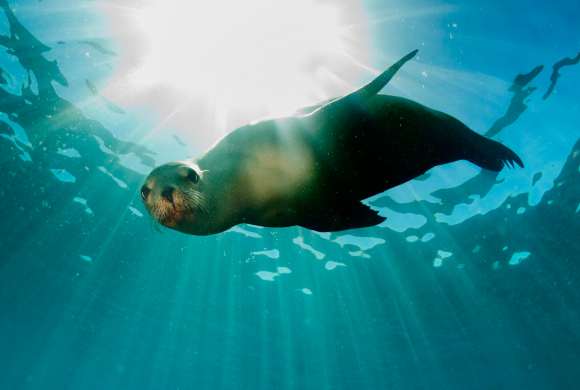
Species like California sea lions are on the move, attempting to find new dietary supplements. Their behaviors are concerning, as they are swimming further into the oceans than ever before, which exposes them to dangerous prey. This could disrupt years of protection efforts, as their reproductive abilities dwindle because of reduced numbers.
However, the flexibility is essential because their primary food sources closer to shore are thinning out, including anchovies and Pacific mackerel. Some experts call this species an ecosystem indicator because it signifies larger shifts in predator-prey relationships.
Adding or changing a component of an animal’s diet does not always bring positive results. Human influences could even endanger domestic animals, such as the raw diet trend. Adjusting pet food formulations to prioritize these ingredients takes biodiversity and resources away from habitats that need these species. Additionally, it spreads diseases like avian flu for a diet with minimally researched benefits. Meat should be cooked to an internal temperature of 165 F for pets who can’t stomach it raw, but it may not be worth the risk.
Editing Migration Patterns for New Food Sources
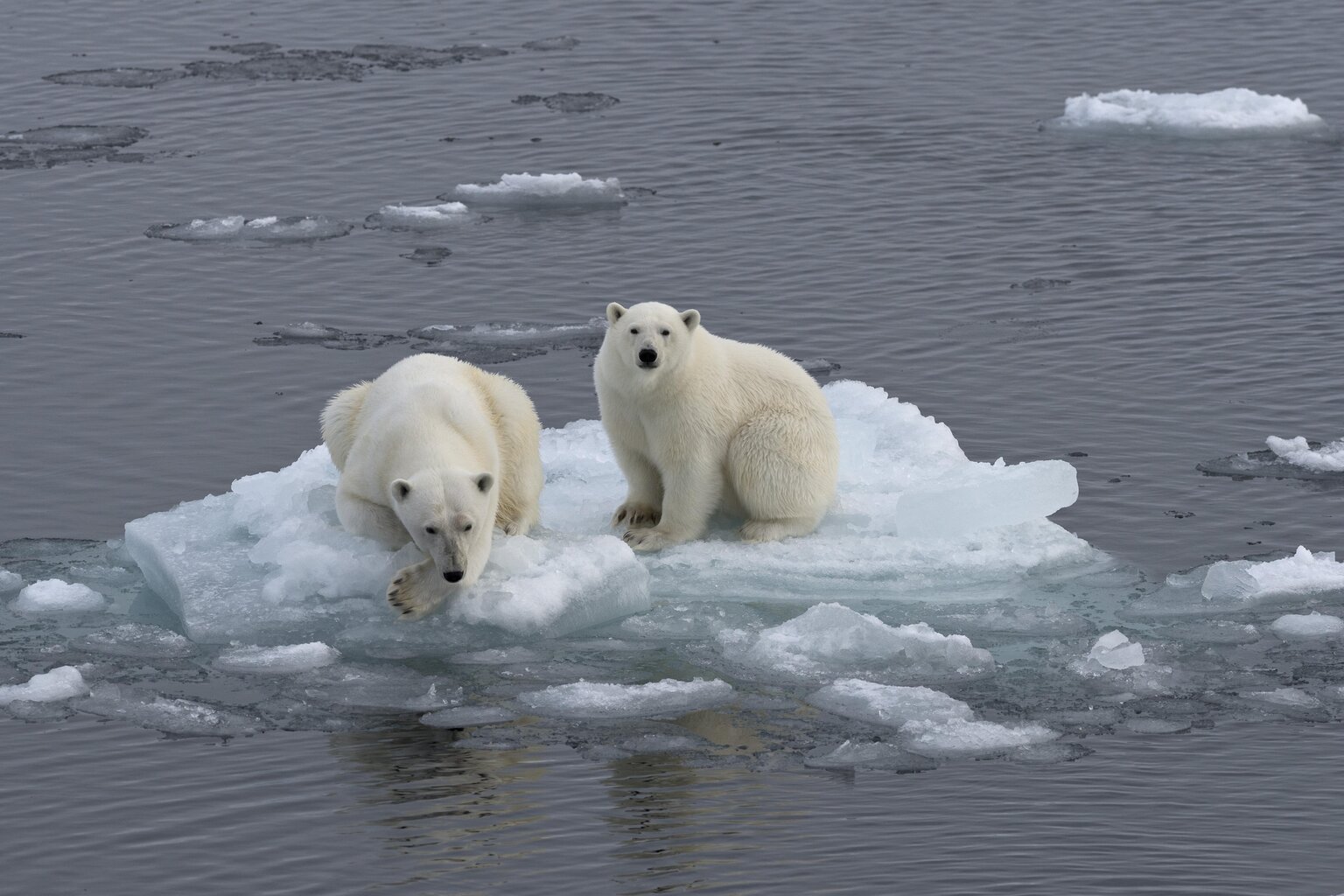
Many animals, from birds to fish, are moving north because it is too hot to stay south. Some species, like polar bears, are seeing their habitats disappear, limiting their mobility to migrate for food.
A primary example of a creature with new migration patterns is the caribou. It relies on snowfall and cold temperatures to determine the beginning of the moving season. If their homes become progressively warmer, then their internal clocks become confused — they start to migrate later and later every year. This jeopardizes their nutritional availability and exposes them to stressors like insects that could lead to disease and population decline alongside food scarcity.
Changing Activity Behaviors
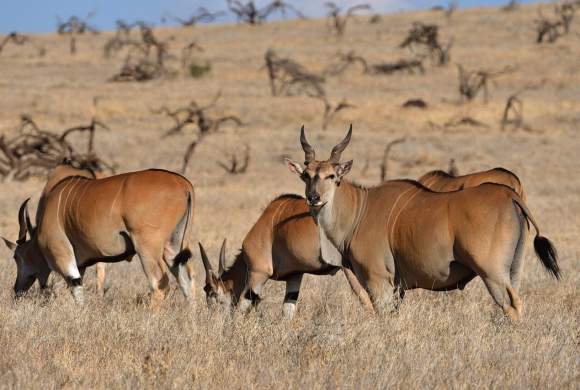
Many animals hunt based on their evolutionary adaptations. This includes many varieties of antelopes, which commonly forage in daylight for enhanced visibility. Researchers have found that some species, like elands, are moving to nighttime eating because it is too hot to scout while the sun is out. The cooler conditions help these massive creatures conserve energy and resources like water, which is already scarce.
As temperatures become more extreme — both in hot and cold regions — more animals will change how they move and eat. This will alter the climate further by shifting expected predators and prey into different activity time frames. Scientists are attempting to develop habitats to rehome native species, such as foresters creating developments that support species and plant resilience based on data modeling.
Shifting Nesting Patterns
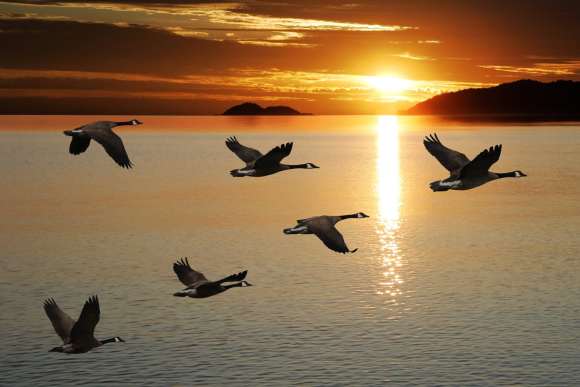
Birds are intuitive creatures, so most of them nest and breed during the times of year when their eggs can maintain ideal conditions and chicks can survive the temperatures. Extreme heat puts pressure on newborns, which is why some species have moved their reproductive season to earlier in the year. It helps chicks enter the world in more favorable environments.
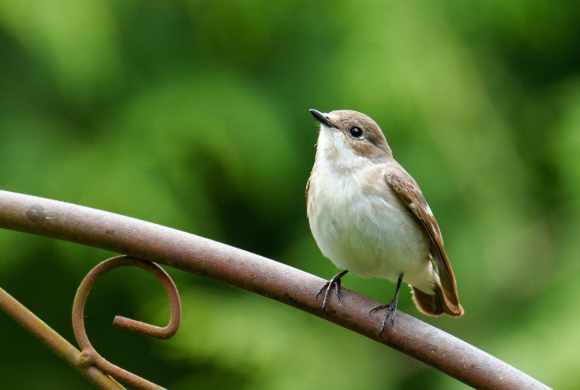
This affects their diet by changing what the adult birds bring back to the nest. What they forage differs from their expected meals, providing varying degrees of nutrients. This phenomenon is called a phenological mismatch because food availability does not coincide with breeding. Familiar food sources, like caterpillars, may already be gone.
Moving Habitats Permanently
While some species are finding new food supplies at home, your local wildlife might venture elsewhere to find satisfying, consistent meals. Unfortunately, the climate crisis has affected some species so severely that it has completely stripped their homes of reliable food. It forces them to move to regions where they may have fewer survival mechanisms and evolutionary adaptations to thrive.
For example, some move to higher elevations, even if they lack the physical features to navigate these regions easily. Rising sea levels are also pushing animals ever upward. This is happening to all types of wildlife, from mammals to amphibians. As they leave, it opens the door for other species to take over, including invasive ones.
Climate-Conscious Diets for Animals
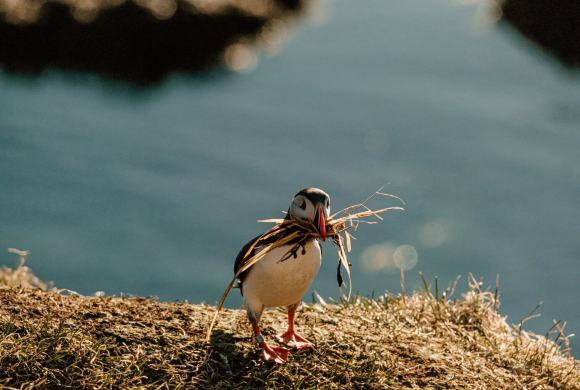
Humans are not the only animals adapting their meals, but most of the world’s biodiversity is doing so out of necessity. Countless species — even ones in your hometown — are moving away, expanding their palates and taking risks because climate change disrupts the food chain.
With its increased natural disasters, higher temperatures and adverse side effects, the climate crisis is crafting a new, more difficult ecosystem for animals to stay fed. Concerned individuals must consider spreading awareness of these concerns to preserve local species, which is essential to protecting communities and food availability for all.
About the Author

Writers Bio: Jane Marsh is an environmental journalist and Editor-in-Chief of Environment.co, where she covers climate policy, renewable energy, and sustainable living. With over four years of editorial experience, her work has been featured on Renewable Energy Magazine, Biofriendly Planet, and Earth.org. Jane specializes in making complex environmental topics accessible and actionable for everyday readers.
Leave a Reply