


The Deepwater Horizon disaster remains the largest marine oil spill in history, leaving behind environmental devastation and inspiring a wave of research into oil spill response. Since the 2010 spill, scientists and engineers have worked to improve oil recovery methods, but major challenges remain.
Today, with better tracking technology, improved skimmers, and more targeted dispersant use, oil spill cleanup has made some progress. However, as long as oil extraction continues, the risk of large-scale spills remains a looming threat.
The Immediate Response

When an oil spill occurs, the first priority is stopping the source of the leak. In Deepwater Horizon’s case, this proved extremely difficult—oil flowed into the Gulf of Mexico for 87 days before the well was finally capped.
Once a spill reaches open water, the main challenge is preventing it from reaching shore, where it can cause long-lasting damage to marine and coastal ecosystems. Booms, skimmers, controlled burns, and dispersants are the primary tools used to manage spills.
Booms are floating barriers that help contain oil, while skimmers scoop it from the surface. However, skimmers are limited in effectiveness—only about 3% of the Deepwater Horizon spill was recovered this way.
Controlled burns, which involve igniting the oil to remove it from the water, were used during Deepwater Horizon but accounted for only about 5% of the oil’s removal.
The largest cleanup work focused on dispersants—chemicals designed to break oil into smaller droplets that sink into the water column. BP applied an unprecedented 1.84 million gallons (8.37 million liters) of the dispersant Corexit, both at the surface and directly at the wellhead.
While dispersants helped prevent more oil from reaching the shoreline, they introduced additional risks. Some studies have suggested that dispersants may have made the oil more toxic to marine life, and their long-term effects are still being studied.
One of the key lessons from Deepwater Horizon is the need for better containment strategies at the source of a spill. Since then, new blowout preventers, better pipeline monitoring, and improved well design have reduced the risk of catastrophic leaks.
However, as oil exploration moves into deeper waters and harsher environments, such as the Arctic, the potential for spills remains high.
Innovations in Cleanup Technology

In recent years, researchers have explored a range of new materials and techniques for oil spill cleanup. Some of the most promising developments involve advanced oil-absorbing materials, such as aerogels, graphene sponges, and bio-based materials like treated cork.
These materials have shown potential for absorbing oil while repelling water, making them more effective than traditional cleanup methods.
Guihua Yu, a materials scientist at the University of Texas at Austin, has developed a prototype that could significantly improve oil recovery rates. His team created a super oleophilic (oil-attracting) gel that can separate oil from water with 99% efficiency.
The system works using a conveyor belt coated with the gel, which picks up oil from the water’s surface and then releases it into a collection chamber after being heated. Early tests in controlled environments have been promising, but scaling up to real-world spill conditions remains a challenge.
Drones and satellite imaging have also transformed how spills are tracked and managed. NOAA (the U.S. National Oceanic and Atmospheric Administration) now uses real-time satellite monitoring to map oil slicks and predict their movement.
Underwater robots and remotely operated vehicles (ROVs) can inspect pipelines and tap into sunken vessels to extract oil before it leaks. These technologies allow responders to act more quickly and target cleanup works more effectively.
Despite these advances, oil spill recovery rates remain low. A 2020 review of 30 major offshore spills found that only 2-6% of the oil was recovered using mechanical methods like skimmers. While new materials and tracking tools offer hope for improved response, they have yet to be deployed on a large scale.
Dispersants and Bioremediation
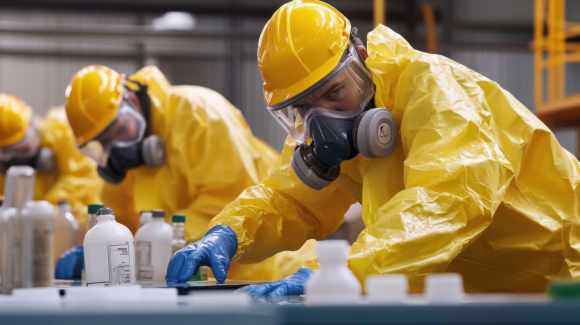
One of the most controversial aspects of the Deepwater Horizon response was the heavy reliance on dispersants. While they helped break down surface oil and reduce its visibility, the long-term impact on marine life remains unclear. Recent studies suggest that dispersants may have disrupted oil-degrading microbes, which naturally help break down oil spills.
Sabine Matallana-Surget, an environmental microbiologist at the University of Stirling, has been investigating how dispersants interact with oil-eating bacteria.
Her research found that exposure to Corexit caused a surge in stress-related proteins in these microbes, indicating potential DNA damage and toxicity. Sunlight exposure also appeared to amplify the harmful effects of dispersants, creating a “double pill effect” that could have worsened environmental damage.
Bioremediation, which involves using naturally occurring microbes to break down oil, has gained traction as a potential alternative.
Some researchers are experimenting with adding nutrients to stimulate oil-eating bacteria, while others are exploring genetically engineered microbes that could accelerate oil degradation.
However, these approaches are still in the early stages, and their effectiveness in large-scale spills remains uncertain. The Exxon Valdez spill in 1989 demonstrated another counterintuitive lesson, aggressive cleanup can sometimes cause more harm than good.
High-pressure, hot-water washing used to clean Alaska’s shorelines after the spill inadvertently sterilized beaches, killing off not just oil but also beneficial microbes and small marine organisms. As a result, some untreated areas recovered faster than those that were heavily cleaned.
Preventing Future Oil Spill
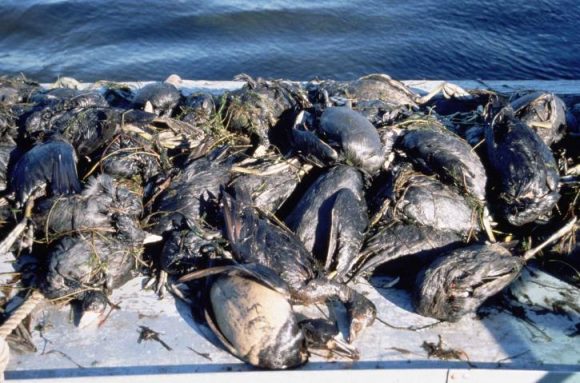
Ultimately, the best way to address oil spills is to prevent them from happening in the first place. Since Deepwater Horizon, regulations on offshore drilling have been tightened, with new safety standards for blowout preventers and stricter monitoring requirements. The U.S. has also improved enforcement of pipeline safety and spill prevention measures.
However, oil exploration continues to push into deeper and more remote regions, increasing the potential for spills in areas where cleanup would be even more difficult. Climate change is also adding new risks—rising sea levels, stronger storms, and Arctic ice melt could make future spills more challenging to contain.
The economic costs of Deepwater Horizon, which exceeded $65 billion (£49 billion), have served as a warning to oil companies about the financial risks of inadequate safety measures. BP also invested $500 million (£380 million) in a decade-long research program to advance oil spill science, which has contributed to many of the innovations seen today.
Still, experts caution that as memories of major spills fade, there is a risk of regulatory rollback. Maintaining high safety standards and investing in better spill prevention technology are essential to avoiding another disaster of Deepwater Horizon’s scale.
While cleanup technology has improved in some areas, oil spills remain extremely difficult to manage. Once oil enters the ocean, even the best tools available today can only recover a fraction of it. The best strategy remains one of vigilance, prevention, and ultimately, reducing dependence on oil to lower the risk of future spills altogether.
Sources:
Leave a Reply