


Duckweed is a tiny yet fascinating plant that floats atop freshwater bodies like ponds, lakes, and slow-moving rivers. Known for being one of the smallest flowering plants on Earth, duckweed plays an important role in freshwater ecosystems.
Though it may look simple, this plant has a remarkable impact on the environment, ecology, and even human industries. Let’s dive into the unique world of duckweed and uncover the interesting qualities of this humble plant!
Plus-Minus of Their Presence

Duckweed has both positive and negative environmental effects, depending on its growth levels and the specific ecosystem it inhabits. Here’s a look at how it impacts freshwater environments:
Positive
One of duckweed’s most valuable contributions is its role in natural water filtration. Duckweed absorbs excess nutrients, such as nitrogen and phosphorus, from the water. These nutrients are often present due to agricultural runoff or organic waste, which can lead to water pollution.
By absorbing these nutrients, duckweed helps reduce the potential for algal blooms, which can otherwise turn the water toxic and harm aquatic life. This natural filtering process keeps water cleaner and promotes a healthier environment for fish, plants, and other aquatic species.
Duckweed also provides food for various animals, including fish, ducks, and small mammals, making it an important link in the food chain. Ducks, for example, feed on duckweed as they graze through ponds, and many species of fish nibble on its leaves. Additionally, duckweed mats create a safe haven for small insects, snails, and fish, offering protection from predators.
Negative
On the downside, duckweed’s rapid growth can become problematic if left unchecked. In nutrient-rich conditions, duckweed can spread so densely across a water body that it blocks sunlight from reaching underwater plants.
Without adequate sunlight, these submerged plants may struggle to photosynthesize, leading to their eventual death. This die-off of aquatic plants can disrupt the balance of oxygen levels in the water, making it difficult for fish and other oxygen-dependent organisms to survive.
In extreme cases, duckweed mats can lead to a process called eutrophication, where oxygen levels in the water drop significantly, resulting in “dead zones” where aquatic life cannot thrive. While duckweed’s filtration properties are beneficial in moderation, excessive growth can transform this small plant into an environmental challenge.
Duckweed in Ecology
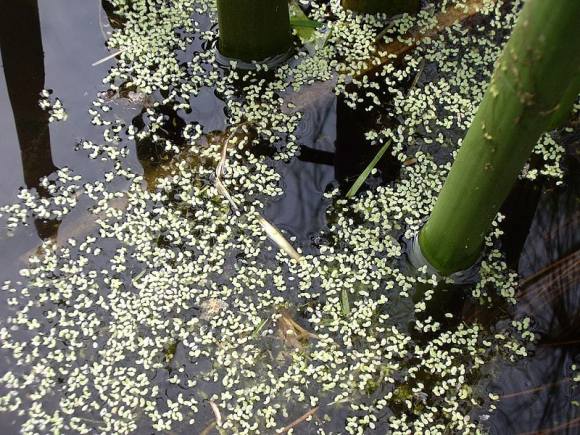
Duckweed plays a vital role in maintaining nutrient balance within freshwater ecosystems. It absorbs and stores excess nutrients in its leaves, preventing these nutrients from building up in the water.
When duckweed dies and decomposes, the nutrients stored in the plants are returned to the water and soil, where they can be used by other organisms. This cycle helps sustain the health and balance of freshwater environments.
Duckweed’s ability to absorb pollutants also makes it valuable for pollution control. In addition to nutrients, duckweed can absorb heavy metals and other contaminants from the water, acting as a natural detoxifier. Researchers have found that duckweed can even remove toxins like lead, arsenic, and pesticides from water, which makes it a useful tool for cleaning polluted ponds and water bodies. This ability to absorb pollutants has led to duckweed’s use in bioremediation projects aimed at restoring polluted ecosystems to health.
Beyond its filtration and detoxifying properties, duckweed supports aquatic life by providing shelter and food for small animals. Many insects, snails, and fish species rely on duckweed mats for protection and sustenance, making duckweed an important component of healthy ecosystems.
As these small creatures thrive, they, in turn, provide food for larger predators, creating a balanced and interconnected web of life within the ecosystem.
Human Uses of Duckweed

Duckweed’s unique properties have not gone unnoticed by humans, who have found many practical uses for this small but mighty plant. Here are some ways people have harnessed the benefits of duckweed:
Agriculture and Animal Feed
In some parts of the world, duckweed is harvested and used as animal feed, particularly for livestock like chickens, pigs, and fish. Duckweed is rich in protein, containing as much as 30-40% protein by weight, making it a nutritious supplement for animal diets.
Its rapid growth rate allows for quick replenishment, making it a sustainable choice for farmers. Researchers are also exploring duckweed’s potential as a human food source, especially in regions where food security is a concern. Its high protein content and nutrient density could make it a valuable food crop in areas facing food shortages.
Water Treatment and Bioremediation
Because duckweed absorbs nutrients and pollutants from water, it is frequently used in water treatment processes. Duckweed ponds are sometimes constructed near farms to treat agricultural wastewater, absorbing excess nutrients before they reach larger bodies of water.
This process, known as bioremediation, is an eco-friendly solution for reducing water pollution and protecting downstream ecosystems.
Duckweed’s ability to filter heavy metals and pesticides makes it a valuable asset in efforts to clean contaminated water bodies. Studies have shown that duckweed can be effective in removing pollutants from wastewater in an economical and sustainable way. As a result, duckweed is becoming an increasingly popular option for environmental management and pollution control.
Sustainable Resource for Biofuels
With its rapid growth and high biomass yield, duckweed is also being explored as a sustainable source for biofuels. Scientists are researching methods to convert duckweed into ethanol and other biofuels as a cleaner alternative to fossil fuels.
Because it requires minimal resources to grow, duckweed is an attractive candidate for biofuel production. This potential use of duckweed aligns with global efforts to develop renewable energy sources and reduce our carbon footprint.
The Challenges of Managing Duckweed Growth
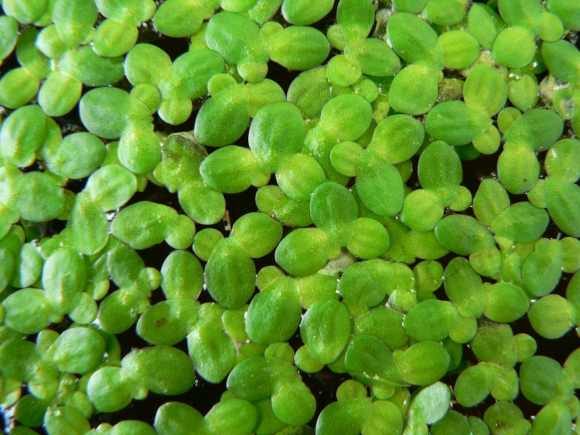
While duckweed offers many benefits, managing its growth is important to prevent it from overwhelming freshwater ecosystems. In regions where duckweed grows uncontrollably, it can disrupt local wildlife and recreational activities, such as fishing or swimming. Environmental agencies often monitor duckweed populations and, when necessary, take steps to thin out dense mats of duckweed to maintain a healthy balance.
One effective management technique is manual removal, where excess duckweed is collected and removed from the water. In some cases, duckweed-eating fish, like tilapia, are introduced to help control growth naturally. These methods allow for control of duckweed growth while preserving its ecological benefits.
Overall, duckweed is a remarkable plant that plays a significant role in freshwater ecosystems. It provides natural water filtration, supports diverse aquatic life, and offers practical uses for humans in agriculture, water treatment, and even renewable energy. However, its rapid growth can lead to challenges, particularly in nutrient-rich waters, where it may overwhelm ecosystems if not managed carefully.
As scientists continue to study duckweed, they uncover new ways to harness its benefits while minimizing its potential drawbacks. By appreciating and managing this small but powerful plant, we can enjoy its contributions to both nature and human industries, making duckweed a valuable ally in ecological preservation and sustainable development.
Sources:
Leave a Reply