


Wind energy has become a cornerstone of the global movement toward renewable energy, offering a cleaner, more sustainable alternative to fossil fuels. With the world increasingly focused on reducing carbon emissions and mitigating the effects of climate change, wind energy is playing a crucial role in helping nations meet their environmental goals.
However, as with any industry, maintaining safety and operational efficiency is essential to ensure that wind energy systems are effective and sustainable. One key element that supports this is GWO certificates, certification programs designed to ensure that wind turbine technicians and workers are properly trained to handle the challenges of the job.
In this article, we’ll explore the role of GWO certification in the wind energy sector, how it promotes safety, and why it’s critical for advancing a greener, more sustainable future. We will also discuss how organizations like FMTC offer GWO training to ensure that safety standards are met while fostering the growth of renewable energy.
Why wind energy matters for sustainability
Wind energy is a clean, renewable resource that harnesses the power of wind to generate electricity. Unlike fossil fuels, wind energy doesn’t release harmful pollutants or greenhouse gases into the atmosphere, making it an essential part of reducing our dependence on carbon-intensive energy sources. By investing in wind energy, countries and companies can help combat climate change, improve air quality, and create a more sustainable energy system.

Globally, wind energy is becoming improve air quality a dominant force in the shift toward green energy. According to the Global Wind Energy Council (GWEC), wind power accounts for a growing share of global electricity production, with forecasts indicating significant expansion in the coming years. By continuing to scale wind energy production, we can reduce reliance on coal, oil, and natural gas, which are major contributors to environmental degradation.
What are GWO certificates?
GWO certificates are internationally recognized certifications that ensure workers in the wind energy industry are trained to meet the highest safety standards. The Global Wind Organisation (GWO) created these programs to standardize the safety training required for workers involved in the operation, maintenance, and construction of wind turbines. These certifications cover a range of safety areas, including first aid, fire awareness, manual handling, and working at heights.
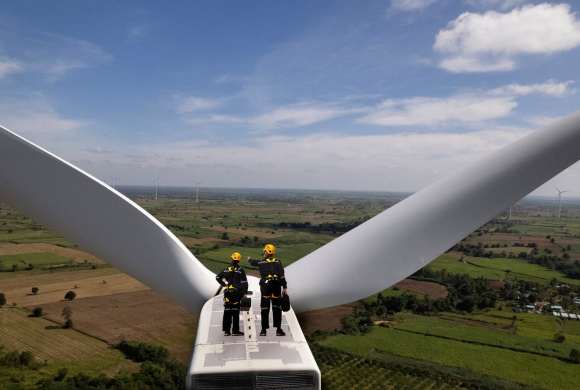
For professionals working in wind energy, having a GWO certificate means they are qualified to handle the risks associated with wind turbine installation and maintenance, ensuring that safety procedures are followed and that workers know how to respond to emergencies. Given the height, remote locations, and technical complexity of wind turbines, GWO training is crucial for preventing accidents and ensuring the health and safety of everyone on-site.
How GWO certification ensures safety in the wind energy industry
Reducing accidents and improving work conditions
Working in the wind energy sector presents specific hazards, from working at extreme heights to dealing with heavy machinery and electrical systems. Proper training helps mitigate these risks, ensuring that workers understand how to operate safely within the industry’s demanding environment. GWO training provides workers with the necessary skills to reduce workplace injuries and accidents, creating safer work conditions for everyone involved.
By completing GWO-certified courses, workers learn how to properly handle safety equipment, use personal protective gear, and recognize potential hazards before they become issues. This training is especially vital for preventing falls, one of the leading causes of injuries in the wind energy sector. When workers are trained to properly secure themselves and follow safety protocols, the likelihood of accidents diminishes.
Compliance with industry standards
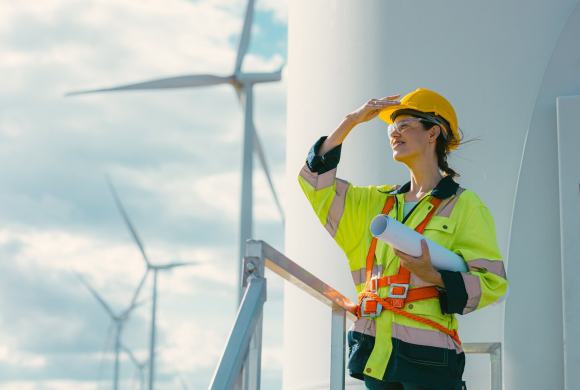
In addition to improving safety on the job, GWO certification ensures that workers are compliant with international safety regulations and standards. By adhering to these guidelines, companies avoid legal liabilities and create a culture of safety that enhances operational efficiency. Compliance with GWO standards is essential not only for protecting workers but also for maintaining the trust of clients, regulatory bodies, and stakeholders who expect the highest level of safety from wind energy providers.

Wind energy companies that invest in GWO certification for their teams also show their commitment to upholding global best practices in safety. This enhances the reputation of businesses and ensures that they meet the rigorous demands of industry regulators.
The environmental impact of safe and efficient wind energy work
Safe and efficient wind energy operations directly contribute to the broader environmental goals of reducing carbon footprints and promoting sustainability. When wind turbine workers are properly trained, they can operate more efficiently, addressing issues before they become serious problems. This reduces downtime and helps maintain the continuous production of clean energy.
Moreover, safety protocols that minimize workplace incidents prevent delays and ensure projects are completed on schedule. This contributes to faster development and deployment of wind farms, further supporting the expansion of renewable energy generation. When workers are trained to handle emergencies or safety hazards quickly, the overall impact on the environment is positive as projects are completed more efficiently and safely.
Why choose FMTC for your GWO certification?
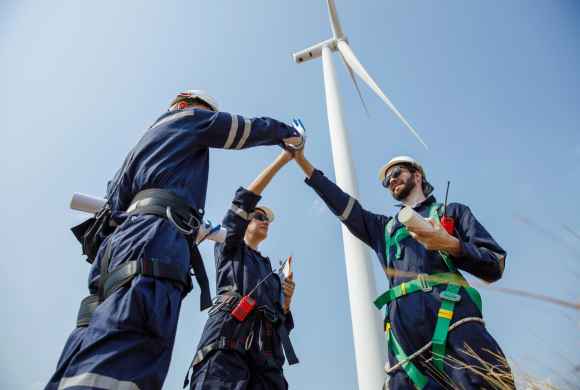
FMTC offers flexible and accessible online training programs for individuals and companies in need of GWO certificates. Their training is designed to meet the highest international standards, ensuring that participants are fully prepared for the challenges of working in the wind energy industry. FMTC’s courses are recognized by the Global Wind Organisation, making them a trusted provider of safety training.
FMTC’s online courses offer flexibility for workers who may be balancing other commitments or who are located in remote areas. This flexibility helps businesses scale their training efforts without sacrificing quality. FMTC’s commitment to excellence ensures that wind energy professionals are not only prepared for the job but also equipped with the necessary skills to maintain the highest safety standards.

Conclusion
The transition to renewable energy, including wind power, is a critical step in the fight against climate change. However, ensuring the safety of those working in this vital sector is just as important. GWO training plays a crucial role in maintaining safety standards, preventing accidents, and improving the efficiency of wind energy operations. By investing in GWO certification, businesses and workers can contribute to a greener, more sustainable future while ensuring that wind energy projects run safely and smoothly.
FMTC offers comprehensive and flexible GWO training programs that support the renewable energy sector’s growth and commitment to safety. By choosing a trusted provider like FMTC, workers and companies can ensure compliance with industry standards, improve safety, and play an active role in building a cleaner, more sustainable world.
Featured Image Photo by Nopparuj Lamaikul on Unsplash
Leave a Reply