

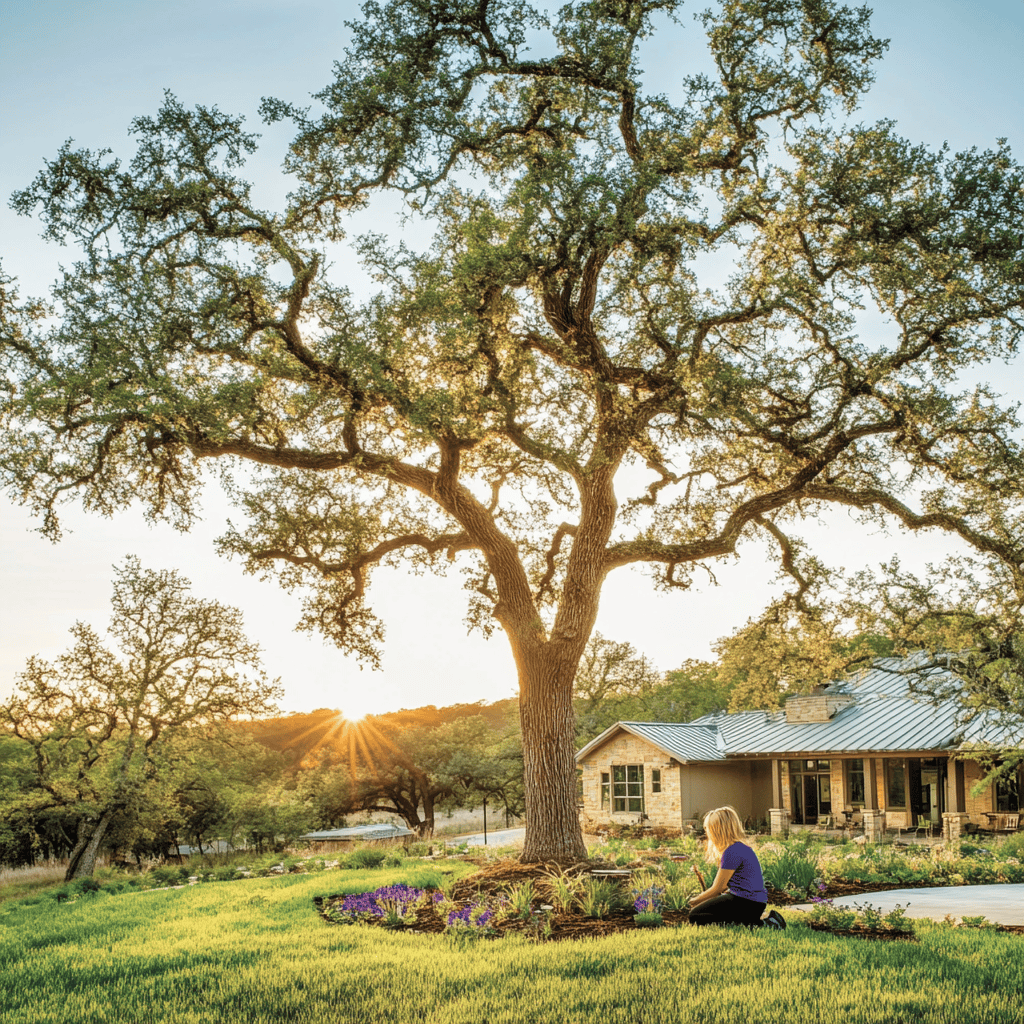
The Living Allies Above Us
The magnificent beings that tower over our homes represent far more than mere landscaping elements. Connecting with specialized ecological tree care services can transform not only the health of these gentle giants but also their profound impact on our immediate ecosystem.
Many environmentally conscious homeowners discover that working with sustainable arborist tree care services enhances everything from local biodiversity to carbon sequestration potential right in their own backyards.
The relationship between thriving trees and environmental wellness runs deeper than most realize, creating a powerful opportunity for individual action that ripples outward with surprisingly far-reaching effects.

Why Trees Are Environmental Superheroes in Disguise
The humble trees that populate our neighborhoods perform ecological magic that would make even the most advanced green technology blush with envy. Their quiet contributions often go unnoticed until we understand the impressive metrics behind their daily work.
A single mature tree operates like a combination air purifier, wildlife hotel, and climate control system. Each one filters an average of 48 pounds of carbon dioxide annually while simultaneously releasing enough oxygen to support two human lives. They’re essentially running an environmental cleanup service 24/7 without ever sending an invoice.

The cooling effect extends beyond simple shade – trees actively cool surrounding air through a process called transpiration. It’s like having natural air conditioning units throughout the neighborhood that never need electricity or maintenance beyond what sustainable tree care provides.
Perhaps most impressive is their water management system. A healthy, mature tree can intercept over 1,000 gallons of rainfall annually in its canopy and root system, reducing stormwater runoff and preventing erosion while naturally filtering pollutants. That’s better performance than many engineered water management systems, all while providing habitat and food sources for dozens of animal species.
The Hidden Signs Your Tree Allies Need Support
Trees communicate their needs through subtle signals that environmentally aware homeowners can learn to recognize before major problems develop. These whispered messages reveal opportunities to support their health while preventing potentially hazardous situations.
Early leaf drop might seem like a minor seasonal variation, but it often signals stress from inadequate water or nutrient availability. Think of it as the arboreal equivalent of losing hair during a stressful period – a visible manifestation of internal imbalance that deserves attention.
Mushrooms appearing around the base of a tree might look whimsically forest-like, but they’re actually the reproductive structures of fungi that may be decomposing critical root systems. It’s somewhat like discovering termites in your home’s foundation – what you see is just the tip of a potentially serious underlying issue.
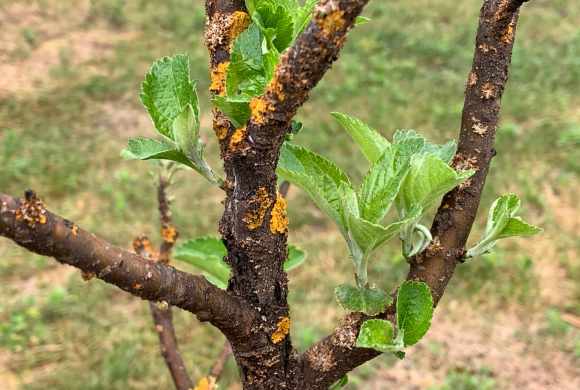
Bark abnormalities tell stories about a tree’s health struggles in much the same way that human skin conditions can indicate internal health challenges. Vertical cracks, unusual bumps, or peeling sections signal stress points where intervention could prevent more serious damage.
Canopy thinning happens gradually enough that it’s easy to miss unless you’re paying attention. This subtle reduction in leaf density represents a tree’s energy conservation strategy – similar to how humans might reduce physical activity when fighting illness.
The Ecological Ripple Effect of Healthy Trees
Thoughtful tree care creates benefits that extend far beyond the individual plant, creating cascading positive impacts throughout the local environment in ways that might surprise even dedicated environmentalists.
A well-maintained tree with appropriate pruning develops stronger structure and greater resilience to extreme weather events. This reduced vulnerability directly translates to less storm damage, fewer emergency removals, and significantly reduced carbon emissions from equipment that would otherwise be needed for cleanup and removal operations.
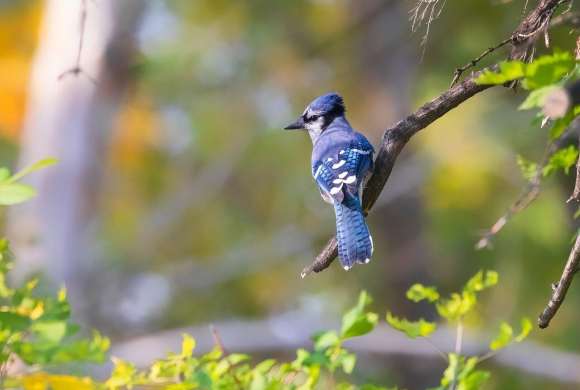
The biodiversity supported by healthy trees creates natural pest management systems that reduce or eliminate the need for chemical interventions. A single oak tree can support over 500 different insect species, which in turn attract birds and other predators that keep potential pest populations naturally balanced.
Soil health dramatically improves under properly maintained trees through the constant addition of organic matter and the activity of beneficial microorganisms associated with healthy root systems. This enhanced soil structure increases carbon sequestration potential while improving water retention and reducing erosion – benefits that extend well beyond the tree’s immediate footprint.
Air quality improvements provided by healthy trees with abundant leaf surface area can reduce ground-level ozone, particulate pollution, and other airborne contaminants by up to 24% in some urban areas. The localized cooling effect also reduces the urban heat island effect, potentially decreasing air conditioning usage and associated energy consumption throughout the neighborhood.
Sustainable Care Practices That Make Real Difference
The approach to tree maintenance dramatically affects their environmental benefits, with sustainable methods significantly enhancing their positive impact while reducing potential harm.
Mulching with locally sourced organic materials creates a closed-loop system that returns nutrients to the soil while conserving moisture and preventing compaction. Using materials that would otherwise enter the waste stream transforms “disposal problems” into valuable resources that enhance the growing environment.
Watering deeply but infrequently trains root systems to develop greater depth and drought resilience. This approach mirrors natural rainfall patterns and encourages trees to develop self-sufficiency rather than dependency on artificial irrigation, ultimately creating stronger specimens with greater climate change resilience.
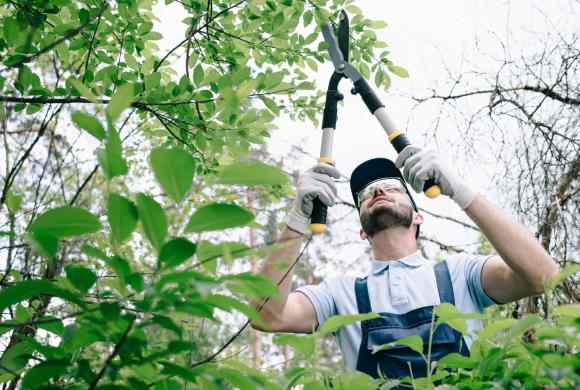
Mindful pruning that respects natural branch architecture and removes only what’s necessary preserves valuable leaf surface area while improving structural integrity. This approach enhances both the tree’s ecological contributions and its safety, requiring less intervention over time while maximizing benefits.
Pest management through biodiversity support rather than chemical applications prevents collateral damage to beneficial insects and soil organisms. Building healthy ecosystems around trees creates self-regulating systems that require progressively less human intervention while supporting greater wildlife diversity.
Creating Tree-Centered Environmental Sanctuaries
The intentional development of tree-friendly spaces transforms ordinary yards into environmental powerhouses that contribute meaningfully to larger conservation goals.
Understory development with native species that naturally coexist with established trees creates multi-layered habitats that support dramatically more wildlife than conventional landscapes. These layered environments mimic natural forest structures while requiring less maintenance and fewer resources than traditional landscaping.
Soil care practices like avoiding compaction, minimizing chemical applications, and supporting microorganism populations enhance carbon sequestration potential while improving tree health. The resulting soil ecosystem becomes increasingly self-sustaining as biodiversity increases.
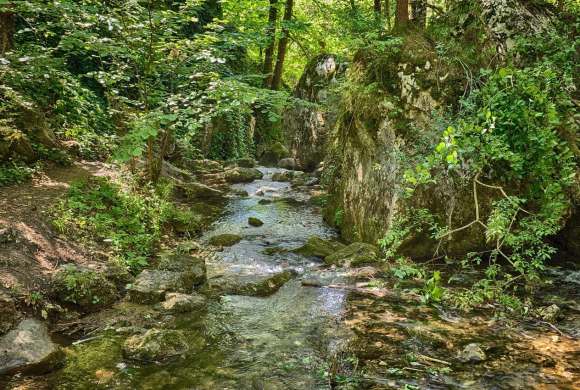
Water conservation infrastructure that directs rainfall toward tree root zones rather than away from the property reduces irrigation needs while maximizing natural water filtration. These systems can be as simple as strategically placed rocks or as complex as engineered swales, but all serve to enhance the environmental benefits of existing trees.
Habitat features that complement trees, such as brush piles from pruned materials, hollow logs, or specific native plants, create wildlife corridors that connect isolated natural areas. These connections facilitate species movement and genetic diversity that strengthen local ecosystems against challenges like climate change and habitat fragmentation.
Conclusion: The Quietly Revolutionary Act of Tree Stewardship
In a world often focused on dramatic technological solutions to environmental challenges, the humble act of thoughtful tree care represents a quietly powerful form of environmental activism accessible to nearly everyone with access to outdoor space. The cascading benefits of healthy trees extend far beyond property boundaries to affect air quality, water systems, wildlife populations, and even global carbon cycles.
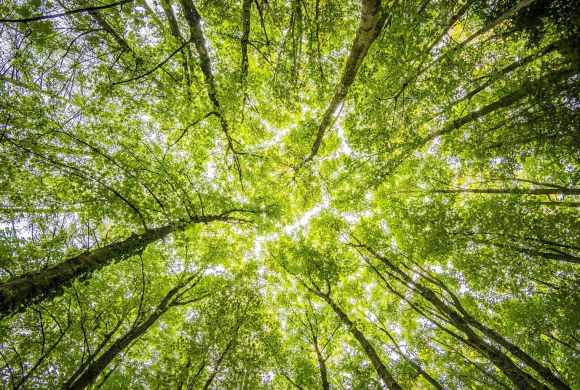
By recognizing trees as essential environmental allies rather than mere landscape features, environmentally conscious individuals can transform ordinary spaces into powerful forces for ecological good. Through informed care practices that support rather than suppress natural processes, tree stewards participate in a practical form of environmental healing that begins literally in their own backyards and extends outward to contribute meaningfully to larger conservation goals.
This approach to environmental action doesn’t require massive lifestyle changes or technological breakthroughs – just thoughtful attention to the living systems already in place and a willingness to work with rather than against natural processes. In this collaboration with the arboreal world, we find not just environmental benefits but a deeply satisfying connection to the remarkable living systems that sustain us all.
Leave a Reply