


In today’s world, where energy demands are constantly rising, ensuring a reliable and sustainable power source is more important than ever. For homeowners, particularly those with a two-story home, this means exploring alternatives to conventional electricity.
One increasingly popular solution is solar energy. But a pressing question remains: How long can solar panels power a two story home during a power outage?
This article will explore this question, considering various factors such as energy consumption, battery storage, and solar panel efficiency.
Understanding Solar Panel Basics

Solar panels convert sunlight into electricity through photovoltaic cells. The energy generated can be used immediately or stored in batteries for later use. The capacity to generate and store power is crucial during a power outaget, as it determines how long your home can remain powered without access to the grid.
Energy Consumption of a Two Story Home
The energy needs of a two story home vary based on several factors, including the number of occupants, the types of appliances used, and overall energy efficiency. On average, a typical two-story house in the United States consumes about 20 to 30 kWh (kilowatt-hours) per day.
Solar Panel Capacity and Efficiency
The efficiency and capacity of solar panels play a significant role in determining how long they can power your home. A typical residential solar panel system might have a capacity ranging from 5 kW to 10 kW.
Battery Storage: The Key to Energy Independence

While solar panels can generate electricity during the day, what about at night or on cloudy days? This is where battery storage comes in.
Types of Solar Batteries
The energy produced by solar panels is stored in solar batteries for usage during the day. Different battery kinds exist, including lead-acid, lithium-ion, and saltwater batteries. The most popular batteries for domestic use are lithium-ion ones because of their greater energy density, extended lifespan, and efficiency.
Calculating Battery Capacity
To determine how long solar panels can power a two story home during a blackout, it’s essential to understand battery capacity. Battery capacity is measured in kilowatt-hours (kWh), and the more capacity you have, the longer you can sustain power.
For example, a 10 kWh battery can theoretically provide 10 kW of power for one hour or 1 kW of power for ten hours. If your two story house consumes 20 kWh per day, you would need at least two 10 kWh batteries to last through a 24-hour power outage.
Factors Influencing Solar Panel Performance
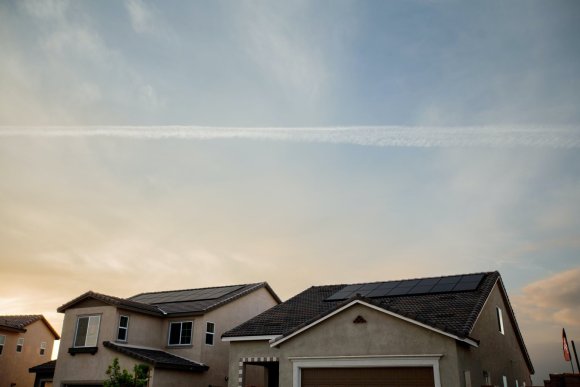
Aside from battery capacity, several factors can impact the performance of solar panels during a blackout. These include:
Energy Consumption Patterns
How you use energy in your home impacts how long your solar panels can sustain power during a power outage. Prioritizing essential appliances and minimizing usage of non-essential items can extend the duration your home can be powered.
System Maintenance
Regular maintenance of your solar panel system ensures optimal performance. Keeping panels clean and free of debris, checking connections, and monitoring battery health are all crucial for maintaining energy independence with solar panels.
Powering Up a Two Story Home Real-World Scenarios

Solar panels can provide reliable power during a blackout. But, the amount of energy they make depends on the weather.
Short-Term Blackout (1-2 Days)
In a short-term blackout, solar panels combined with a properly sized battery system can comfortably power a two story home. Assuming a daily usage of 20 kWh and a 10 kW solar panel system, you could generate enough power during the day to recharge the batteries. This would keep essential systems running.
Medium-Term Blackout (3-7 Days)
For a medium-term power outage, the ability to maintain power depends on consistent sunlight and efficient energy use. A good system with enough battery storage can still support the home. But, saving energy will become even more important. Using only essential appliances and cutting unnecessary power use can make a big difference.
Long-Term Blackout (1 Week or More)
During a long blackout, solar panels alone might have a tough time meeting all energy needs, especially when sunlight is scarce. Energy management becomes super important in this situation. Homeowners could consider tapping into other power sources like generators or community resources.
Enhancing Energy Resilience

Solar panels power essential appliances during a blackout. They can also act as a backup power source for future emergencies.
Increasing Solar Panel Efficiency
Upgrading to more efficient solar panels can boost your system’s overall performance. Newer technologies and high-efficiency panels can generate more power in less space. They are ideal for homes with limited roofs.
Expanding Battery Storage
Adding more battery capacity can extend the duration your home can be powered during a blackout. This investment ensures that you have a larger energy reserve to draw from when the grid is down.
Smart Energy Management
Implementing smart energy management systems can optimize how energy is used in your home. These systems can adjust settings based on real-time energy production and consumption. They ensure that critical devices stay powered while saving energy elsewhere.
Financial Considerations

While solar panels and battery storage may require an initial investment, they can save you money in the long run.
Initial Investment
The cost of installing a solar panel system with battery storage can be substantial. However, various incentives, tax credits, and financing options are available to help offset these costs. Over time, the savings on electricity bills are worth it. The increased energy independence can make the investment worthwhile.
Long-Term Savings
While the initial cost might be high, the long-term savings from reduced electricity bills can be significant. Also, in a blackout, keeping power can prevent costs. These costs come from spoiled food, lost work, and other problems.
Return on Investment (ROI)
Calculating the ROI of a solar panel system involves considering both the upfront costs and the long-term savings. Homeowners typically see a return on their investment in 7 to 10 years. The time depends on their energy usage and local electricity rates.
Ensuring a Reliable Power Source During a Blackout
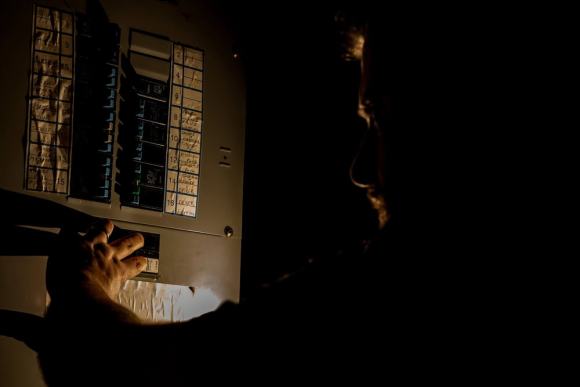
Making sure your two story home has a reliable power source during a blackout is a top worry for many homeowners. Solar panels, along with good battery storage, provide a solid way to keep your energy independence intact.
The time solar panels can keep your home running during a blackout depends on factors. These factors include how much energy you use, battery capacity, and how much sunlight you get. Whether it’s a short-term issue or a longer outage, solar power is key to keeping your two-story house up and running.
If you enjoyed reading this article and would like to explore some more over on our website.
Leave a Reply