


Trees are not only important for providing oxygen and habitats for wildlife, but they also play a critical role in treating and preserving water sources.
In particular, planting trees such as banyan and bamboo can significantly improve water quality, reduce pollution, and prevent soil erosion.
Are you surprised that ‘only’ by planting trees we can get that many benefits? Well, to make it more surprising, Then, let’s explore how these trees contribute to cleaner and healthier water systems.
Introduction to Water Treatment with Trees

Trees act as natural water filters and can help treat water sources in several ways. Their roots stabilize soil, preventing erosion, which keeps rivers and lakes free of excessive sediments. Additionally, tree roots absorb pollutants such as heavy metals and harmful chemicals from the soil and water, improving water quality. Trees also play an important role in recharging groundwater and ensuring sustainable water supplies for surrounding ecosystems and people.
One of the most effective ways to improve water quality and conserve water resources is by planting trees, especially those with strong root systems like banyan or bamboo. These trees offer numerous benefits, including natural filtration, reduced flooding, and soil conservation.
Both banyan and bamboo are hardy species that grow in various conditions and can thrive in tropical or subtropical environments. By planting them near rivers, lakes, and wetlands, people can harness the natural water-cleaning abilities of these trees and help ensure sustainable access to clean water.
How Banyan Trees Help in Water Conservation and Treatment
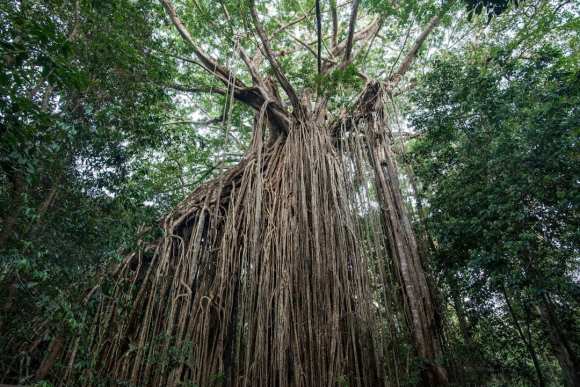
The banyan tree (Ficus benghalensis) is a massive, long-living tree native to the Indian subcontinent, known for its wide canopy and extensive root system. Banyan trees are excellent at improving water conservation and natural water treatment due to their ability to absorb water and filter pollutants.
One of the key benefits of banyan trees is their role in preventing soil erosion. The expansive root network of the banyan tree holds soil in place, especially on riverbanks or near lakes, preventing sediment from washing into water bodies during heavy rains. This reduction in sedimentation helps keep water clear and reduces the risk of flooding, making it easier for aquatic ecosystems to thrive.
In addition to erosion control, banyan trees help improve groundwater recharge. The roots of the banyan penetrate deep into the ground, creating channels that allow rainwater to filter into the soil and replenish underground aquifers. This helps maintain a stable water table, ensuring that people have access to water even during dry periods.
The banyan tree is also effective in absorbing pollutants. It can help reduce harmful substances like heavy metals and pesticides that may have leached into the soil. The tree’s roots and surrounding soil microorganisms break down pollutants, making water sources safer and healthier for consumption and irrigation.
How Bamboo Helps Purify Water and Restore Ecosystems

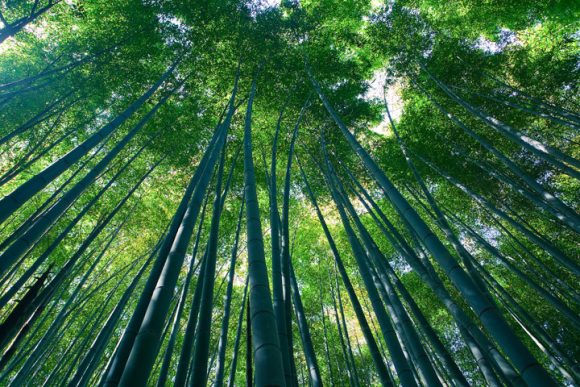
Bamboo, known for its fast growth and adaptability, is another plant species that offers significant benefits for water treatment and ecosystem restoration. Bamboo can grow in a variety of soil types and is often found in tropical and subtropical regions where it is used for both environmental and practical purposes.
One of the key contributions of bamboo to water treatment is its ability to act as a natural water filter. Bamboo plants can help purify water by trapping sediments and absorbing excess nutrients, such as nitrogen and phosphorus, from agricultural runoff. These nutrients, when present in large amounts, can cause problems like algal blooms in water bodies. Bamboo’s extensive root systems slow down water flow, allowing sediments to settle, and preventing harmful pollutants from entering rivers and lakes.
Bamboo also plays a crucial role in flood control. Its dense root network helps stabilize soil, reducing the risk of landslides and erosion, particularly in areas prone to heavy rains. Bamboo forests can act as natural barriers that control water flow during monsoon seasons, preventing floods that can wash pollutants into water bodies.
Additionally, bamboo is a sustainable solution for water management. Bamboo can be harvested without killing the plant, and it regrows quickly, making it an ideal choice for restoration projects. As a fast-growing plant, bamboo absorbs large amounts of carbon dioxide, contributing to climate change mitigation, which in turn helps protect water sources from extreme weather events.
Implementing Tree Planting for Water Treatment
The process of using trees like banyan and bamboo for water treatment is an effective strategy that can be combined with other water management techniques, such as wetland restoration and rainwater harvesting. Planting these trees in areas prone to water pollution or soil erosion can provide long-term benefits for the environment and the people that depend on clean water.
To successfully implement tree planting for water treatment, the following steps can be taken:
- Identifying water-stressed areas: Begin by identifying areas near rivers, lakes, or groundwater sources where planting trees would have the greatest impact on water quality and soil stability.
- Selecting the right species: Banyan and bamboo are particularly effective because of their strong root systems and ability to grow in diverse environments. Local conditions, such as soil type and climate, should be considered when choosing tree species for specific areas.
- Engaging local people: Tree planting initiatives can succeed when local people are involved. Educating people about the benefits of trees for water management encourages community participation and long-term care of the trees.
- Combining efforts with conservation programs: Tree planting can be integrated with larger conservation efforts, such as protecting wetlands, reforesting degraded land, and maintaining biodiversity.
By planting trees like banyan and bamboo, people can reduce pollution in their water sources, prevent floods and erosion, and restore the natural environment, leading to improved water security and healthier ecosystems.
Well, planting trees like banyan and bamboo is a natural and effective way to treat and conserve water sources. These trees help prevent soil erosion, filter pollutants, and recharge groundwater, all while supporting the health of the environment.
Simply planting tree in water-stressed regions and combining it with other conservation efforts can benefit us from cleaner, more reliable water supplies while promoting sustainable land use and protecting ecosystems.
Sources:
https://science.howstuffworks.com/
Leave a Reply