

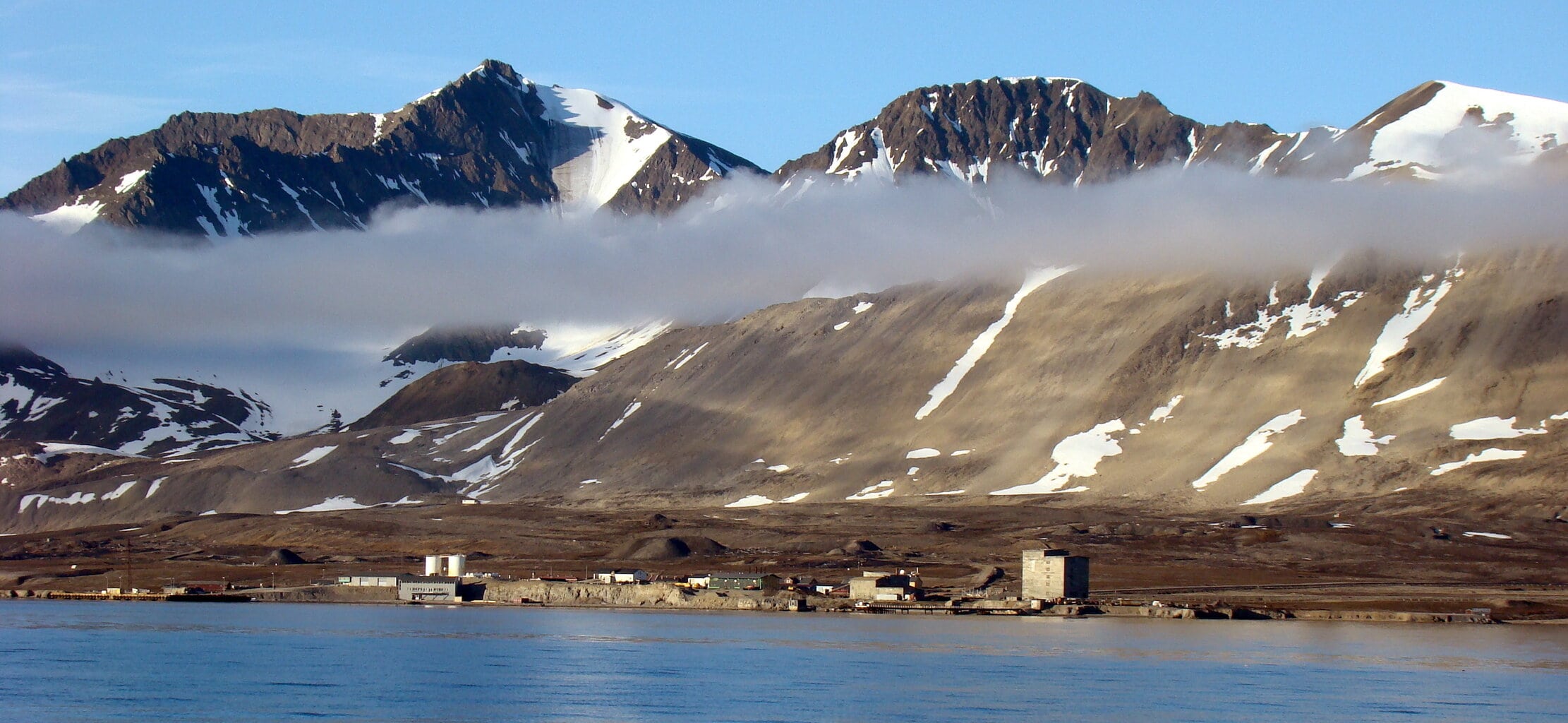
Far in the north, near the top of the world, there is a small place called Ny-Alesund. It is in the Arctic region of Norway.
There are no big towns or shops here—only snow, ice, and wild animals like polar bears and foxes. But this cold and quiet place is also home to something special: a research station. This station is where scientists from many countries come to study the environment.
The Arctic is one of the most important places to learn about climate change. It is also one of the most fragile places. So, the scientists who come here do their work very carefully. They try to learn without hurting the land, water, or animals around them.
Let’s see how these scientists live and work in such a cold and delicate place.
Life at the Top of the World
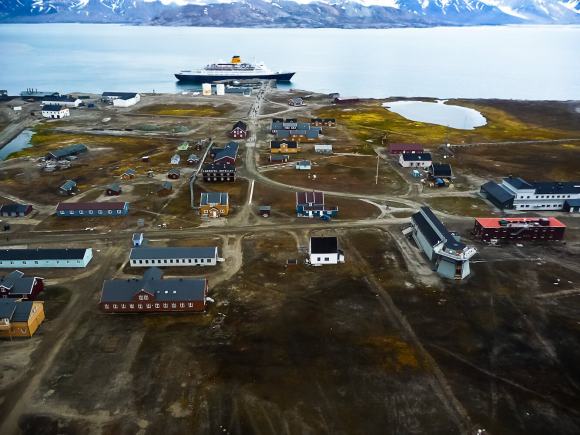
Ny-Alesund is not like most places. For part of the year, the sun never rises—it is dark all day and night. For another part of the year, the sun never sets—it stays in the sky 24 hours a day. Living here is hard, but the scientists still come.
They want to understand what is happening to the Arctic, especially with global warming. Only about 30 people live at the station all year. In summer, more scientists come, but the population still stays under 200 people.
These researchers come from many countries like Norway, Germany, Italy, South Korea, and the United Kingdom. They stay in shared buildings, eat meals together, and do their best to save energy.
Because nothing grows in the Arctic, food must come from the mainland by ship. To reduce waste, everyone eats in the same dining room. Leftover food is used the next day. Trash is sorted into 10 or more types—like plastic, paper, glass—and sent back to Norway to be recycled.
The station uses diesel to make electricity, but they also use smart tools to save energy. Heat from machines is captured and reused. Lights turn off by themselves when no one is around. Heating systems are improved so that less energy is needed to stay warm. These small changes help the scientists live here without using too much power.
Studying Without Hurting Nature
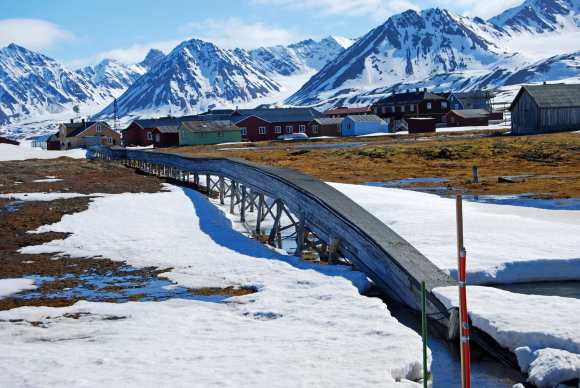
The Arctic is a clean, quiet place. Even small actions can disturb it. That’s why the scientists are so careful. Before they begin any work, they make a plan to avoid damage. They use shared tools and even borrow warm clothes from each other to reduce the number of items they bring.
Some use electric snowmobiles, but these are not strong enough for long trips yet. So, they only use gas-powered machines when necessary. When they collect plants or ice samples, they make sure to leave no trash behind. One scientist from South Korea, Yoo Kyung Lee, dries her samples before taking them home. This uses less energy than other methods.
Every machine or tool is tracked using GPS maps. If a project is finished, the scientists quickly remove their equipment so nothing is left behind. Even the smallest items, like weather balloons or temperature sensors, are carefully used.
One special project sends a weather balloon into the sky every day. The balloon carries a small machine that measures wind, temperature, and pressure. This helps scientists understand the climate over time. They have done this every day for more than 30 years. It may sound simple, but it gives very important information.
Research from the Ocean Floor to the Sky

Scientists at Ny-Alesund study many different things. Some look at tiny pieces of plastic in the ocean, called microplastics. Others watch animals like walruses, study the air and clouds, or look at sea plants called phytoplankton.
Countries work together to share what they learn. For example, one team from Germany and Nordic countries did a project. Later, a team from South Korea used their results for a new study. Sharing like this helps everyone learn faster while using fewer resources.
Another project, called Ice Memory, collects long pieces of ice called ice cores. These pieces show what the air was like hundreds of years ago. One piece is used now, and one is frozen for scientists in the future. It is like keeping a record of Earth’s history inside the ice.
In summer, when the sun never sets, it is the best time for research. But even then, scientists are careful. They only use as much power and fuel as needed. Food is carefully counted and made so there is little waste. Everyone follows rules to protect the land and water around them.
Buildings That Stand on Melting Ground
There is another big problem in Ny-Alesund. The ground under the buildings is made of permafrost—frozen soil that has stayed frozen for hundreds of years. But now, because of climate change, the ground is melting. This makes buildings sink, tilt, or become weak.
To fix this, scientists use car jacks to lift buildings off the ground. They place new steel supports underneath. In some cases, they drill deep into the rock and pour new concrete to make the buildings strong again. This helps keep the labs and homes safe.
Some buildings are very old and must be protected. These cannot be changed too much. So, the scientists focus on adding small improvements like better insulation, new windows, or LED lights to save energy.
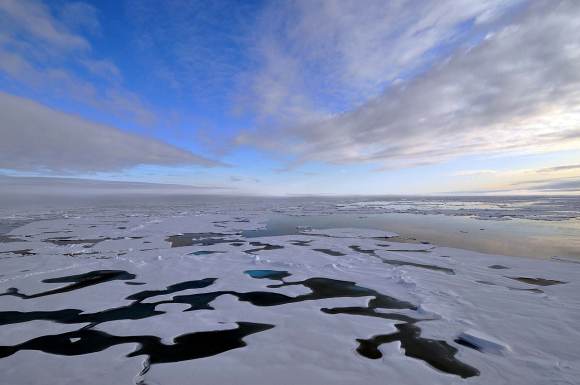
Even research projects are affected by climate change. Before, scientists could study sea ice near the station. Now, the ice is disappearing so fast that sometimes there is none left to study. This means some projects are canceled, and scientists lose their chance to collect data.
One worker, Iain Rudkin, has been in the Arctic for over 15 years. He says the changes are happening quickly. He thinks about his children and wonders what kind of world they will live in. He says, “When people ask me if the Arctic is changing, I say yes. I see it every day. It’s happening faster than we ever thought.”
Sources:
https://www.europeanpolarboard.org/
Leave a Reply