

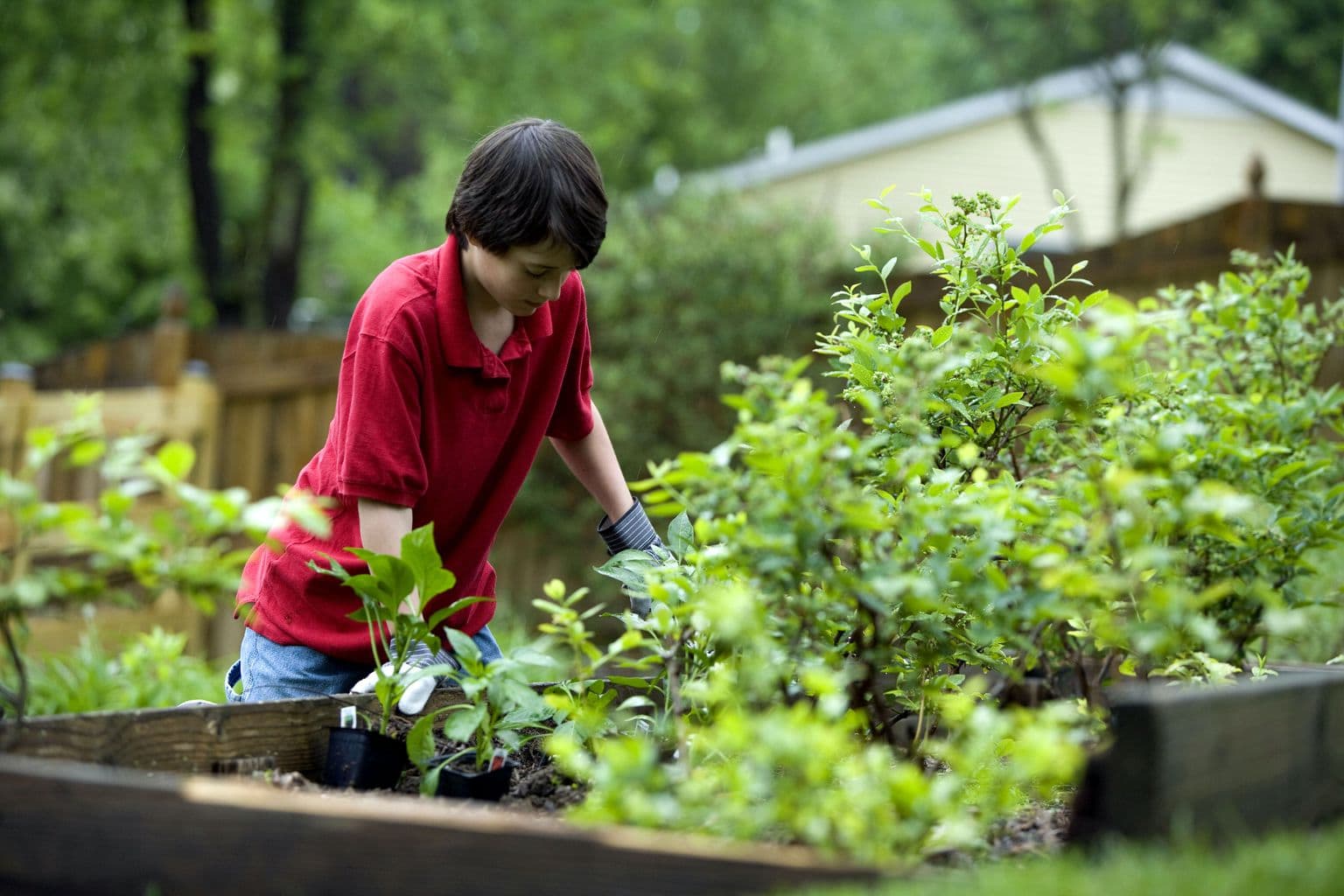
Gardens are a source of beauty, tranquility, and nourishment. The selection of plants plays a crucial role in shaping the overall aesthetic and functionality of a garden.
Choosing the right plants requires thoughtful consideration of various factors, from environmental conditions to personal preferences.
In this comprehensive guide, we’ll explore the essential steps to make informed decisions and create a thriving garden that reflects your vision.
Understanding Your Garden Environment

Before diving into plant selection, it’s essential to understand the specific environment of your garden.
Factors such as the local climate, soil composition, and sun exposure play a pivotal role in determining which plants will thrive in your garden.
By consulting with knowledgeable urban gardening experts at Harper’s Nurseries and leveraging resources provided by professionals and urban garden centers, you can gain valuable insights into how to assess and optimize your garden environment for the flourishing of your chosen plant species.
Utilizing their expertise, along with your local climate and soil knowledge, will ensure a harmonious and thriving garden space tailored to your specific urban gardening needs.
Identifying Your Gardening Goals
Identifying your gardening goals is a foundational step in creating a garden that reflects your aspirations and preferences.
Whether you aim to cultivate a tranquil oasis for relaxation, attract local wildlife, grow your own fresh produce, or simply beautify your outdoor space, clarifying your objectives will guide your plant selection and overall garden design.
By understanding your motivations and desired outcomes, you can align your gardening efforts with activities that bring you joy and fulfillment, transforming your garden into a meaningful expression of your personal connection to nature.

Moreover, defining your gardening goals enables you to prioritize specific plant characteristics and maintenance requirements that support your vision.
For instance, if you aspire to create a low-maintenance garden, you can focus on selecting plants known for their resilience and minimal care needs.
Conversely, if your goal is to establish a vibrant floral display, you can explore a diverse range of flowering plants suited to your local climate and soil conditions.
By honing in on your gardening goals, you can curate a garden that not only meets your practical needs but also resonates with your aesthetic preferences and environmental values.
Researching Plant Options
In today’s digital age, a wealth of information is readily available to help you research and select suitable plants.
Online resources, local nurseries, and gardening books offer valuable insights into plant characteristics, maintenance requirements, and suitability for specific environments.
Take advantage of these resources to gain a deeper understanding of the plants you’re considering and ensure they are well-matched to your garden’s unique conditions.
Selecting Plants Based on Seasonal Considerations
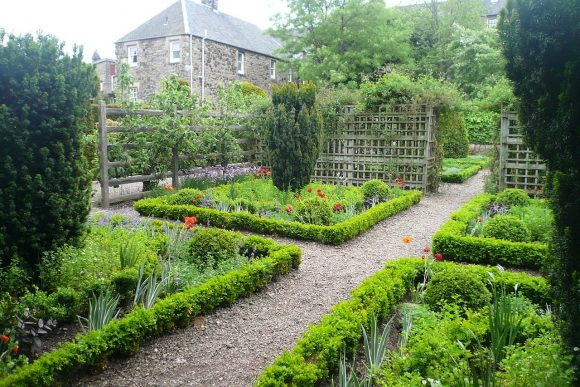
Seasonal variations significantly impact the behavior and appearance of plants.
It’s imperative to consider these changes when selecting plants for your garden.
By understanding the seasonal characteristics of different plant species, you can plan for year-round appeal and ensure that your garden remains vibrant and captivating in every season.
Creating a Plant Shortlist
With an abundance of plant options to choose from, it’s helpful to create a shortlist of potential candidates.
Consider factors such as environmental compatibility, desired aesthetic, and seasonal interest when narrowing down your choices.
Organizing and comparing plants based on these criteria will streamline the decision-making process and lead to a more cohesive and harmonious garden composition.
Designing Your Garden Layout

Once you’ve identified suitable plant candidates, it’s time to consider how they will come together in your garden space.
Concepts such as symmetry, color schemes, and companion planting play a pivotal role in creating an attractive and functional garden layout.
Integrate your plant selection into an overall garden design plan, ensuring that each plant contributes to the cohesive beauty of the landscape.
Purchasing and Planting
When it comes to purchasing plants, quality matters.
Seek out reputable sources, such as local nurseries or certified online suppliers, to ensure that you’re receiving healthy, robust specimens.
Proper planting techniques are equally crucial to the long-term success of your garden.
Follow guidelines for spacing, soil preparation, and watering to give your new plants the best possible start in their new home.
Caring for Your Plants
As your garden grows and evolves, ongoing care is essential to maintain its health and vitality.
Basic maintenance practices, including watering, pruning, and fertilizing, are necessary for ensuring that your plants flourish.
Regular observation of your garden allows you to identify any adjustments needed, such as repositioning plants that have outgrown their space or introducing additional elements to enhance the overall composition.

In conclusion, the process of choosing the right plants for your garden is a rewarding journey that requires thoughtful consideration and careful planning.
By understanding your garden environment, identifying your gardening goals, researching plant options, creating a plant shortlist, designing your garden layout, purchasing and planting with care, and providing ongoing maintenance, you can create a garden that reflects your vision and flourishes with vibrancy and life.
Enjoy the process, and may your garden bring you joy for years to come.
Leave a Reply