


Your home should be a place where kids laugh, pets play, and everyone feels secure. Crafting a safe, welcoming space doesn’t have to be complicated—it just takes smart planning.
By eliminating hazards, setting clear boundaries, and encouraging positive interactions, you can build a harmonious environment where your family and furry friends thrive together.
Pet-Proofing Essentials
Pets are naturally curious, and eliminating hazards is key to keeping them safe. Store harmful foods like chocolate, grapes, and onions securely, along with cleaning products and medications.
Replace toxic plants, such as lilies and azaleas, with pet-safe options like marigolds or sunflowers to create a safer environment.
Protect electrical cords with covers to prevent chewing accidents, and keep small objects like coins or buttons out of reach to avoid choking hazards.
On larger properties, options like a reliable GPS dog fence system or invisible pet barriers allow pets to explore within defined boundaries without the need for physical fencing, ensuring they stay safe while enjoying outdoor freedom.

Child Safety at Home
Child-proofing is crucial to prevent accidents. Use safety latches or magnetic locks on cabinets to secure cleaning supplies, medications, and sharp objects.
Anchor heavy furniture like dressers or bookshelves to the wall to prevent tipping. Use corner bumpers on sharp furniture edges and non-slip mats in bathrooms, kitchens, and other high-risk areas.
Windows and balconies are common hazards. Install window guards to prevent falls and keep furniture away from railings to avoid climbing accidents.
Stairs should be gated at the top and bottom with securely mounted hardware. Regularly check child-proofing features like latches, gates, and bumpers to ensure they’re functioning properly.
| Did You Know? Every day, 8,000 children visit emergency rooms for fall-related injuries, often from stairs, furniture, or unsecured windows. Safety gates, anchored furniture, and window guards are simple measures that can significantly reduce these risks. |
Creating Safe Play Zones
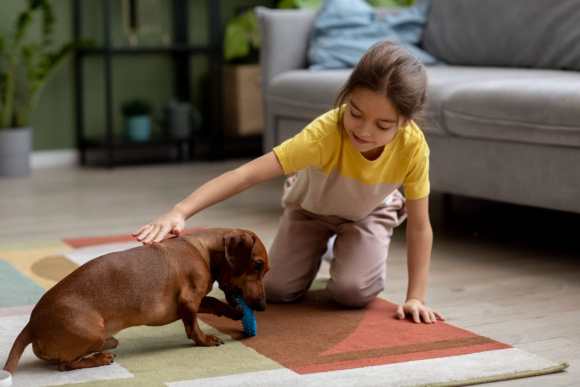
ALT: young girl and puppy with chew toy playing indoors
Children and pets both need safe spaces to play. They can even share play areas safely with thoughtful planning. Indoors, organize toys in sturdy bins to prevent choking hazards and use foam mats or rugs to cushion falls. Include durable, pet-safe toys and provide pets with a corner retreat like a bed or tunnel for breaks.
You may also designate separate areas for pets and kids. Baby gates are useful for dividing shared and separate spaces when needed. A fenced-off yard ensures both can play safely, and age-appropriate outdoor equipment adds fun for children.
For pets, create engaging spaces like a sand-filled digging area or a DIY agility course with ramps and tunnels. Stabilize heavier outdoor features, like swing sets, with an aluminum plate for heavy-duty support to ensure lasting durability.
High-impact areas, like the spaces under climbing structures, should have soft surfaces such as mulch or rubber mats for additional safety.
Encourage Positive Pet-Child Interactions
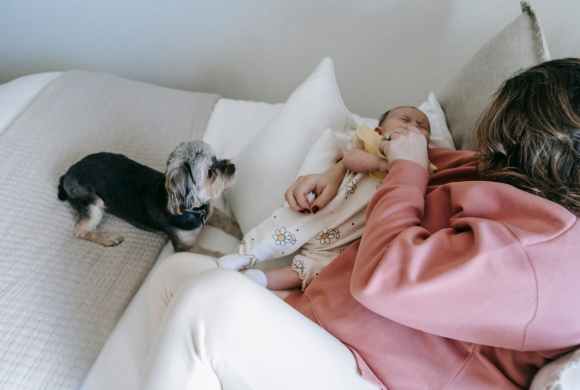
Foster harmony in your household by teaching children how to interact safely with pets. Encourage calm and gentle touch, and teach kids how to interpret pet body language, such as growling or tail wagging, to recognize when animals need space.
When introducing pets to new family members, take a gradual approach. For babies, familiarize your pet with the baby’s scent by allowing them to sniff clothing or blankets before introductions.
For new pets, supervise their first few interactions in a neutral area, rewarding good behavior with treats and praise to ease their adjustment.
| Did You Know? Interacting with pets not only teaches kids empathy and how to read nonverbal cues like body language but also helps with emotional regulation. Rhythmically petting a dog or cat can lower stress, anxiety, and even heart rate, helping kids develop lifelong skills for managing emotions. |
Keeping Your Home Clean

Image by wirestock from Freepik
ALT: dog lying down in dog bed facing forward
Maintaining a clean home with pets starts with consistent routines and proactive measures. Regular care not only minimizes pet-related messes but also ensures a healthier and more comfortable living space for everyone. Here are a few simple practices that make a big difference:
- Groom pets regularly to minimize shedding.
- Vacuum with a HEPA filter to capture hair and dander.
- Wash pet bedding and toys weekly to eliminate bacteria.
- Potty train pets to reduce indoor accidents.
Quickly cleaning up accidents with enzymatic cleaners prevents stains and odors from lingering, while baking soda is perfect for freshening carpets or upholstery before vacuuming.
Lint rollers make it easy to pick up stray hair from furniture and clothing in a pinch. Potty training is a crucial step in maintaining cleaner floors and reducing the need for spot-cleaning.
To keep some areas tidier, designate pet-free zones, such as bedrooms, to limit hair and allergens. Combining these strategies ensures your home remains clean, fresh, and welcoming for all family members—even your furry ones!
Outdoor Safety Tips
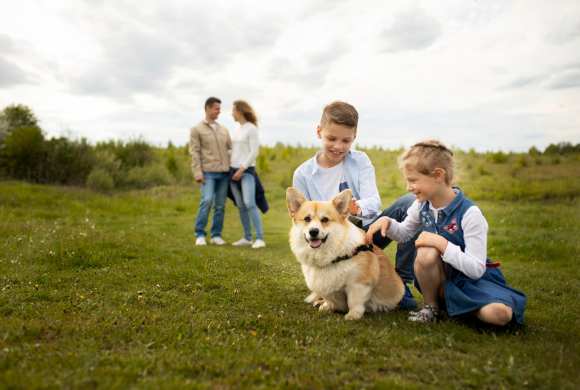
ALT: two kids sitting with dog outdoors with parents behind them
Your backyard should be a safe and enjoyable space for everyone. If you have a physical fence, ensure it’s well-maintained and free of gaps or damage.
Store gardening tools, sharp objects, and lawn chemicals in a locked shed or an area out of reach for kids and pets. A well-organized yard minimizes risks while keeping the space tidy and functional.
If you have a pool, install a rigid cover and a self-closing, self-latching gate to prevent accidental access. Pool alarms can provide an added layer of protection by alerting you to unexpected activity in or around the water.
Lighting is key for evening safety. Motion-activated or solar-powered lights can illuminate pathways, play areas, and entrances, reducing the chances of falls due to poor visibility. Proper lighting also allows you to monitor kids and pets while deterring intruders..
A Household Built for Safety and Happiness
Creating a home that works for both children and pets means smart planning and proactive care. By eliminating hazards, designing spaces where they can play safely, and nurturing positive interactions, you build more than a safe household.
You create a space where love, laughter, and wagging tails thrive. With a little effort, your home becomes a haven where everyone feels secure, valued, and truly at home.
Leave a Reply