


Adopting a rescue dog is a rewarding experience, but it takes time and patience to help them feel comfortable in a new home. Many rescue dogs have been through stressful situations, including abandonment, neglect, or time in shelters. Because of this, adjusting to a new environment can feel overwhelming for them.
For new owners in Los Angeles, CA, the transition period can be easier with the right approach. A calm, structured introduction to their new surroundings helps reduce anxiety. Understanding their body language and reactions is important, as some rescue dogs may be hesitant to trust right away.
Giving Your Dog Time to Settle
The first few days in a new home can be confusing for a rescue dog. After spending time in a shelter or foster home, they need time to adjust to new sights, sounds, and smells. Creating a quiet and comfortable space helps them feel safe.
During this initial period, it’s important to let the dog approach interactions at their own pace. Avoid overwhelming them with too much attention or introducing too many new people too soon. Some dogs may want to explore right away, while others might need more time to observe from a distance. Letting them take the lead in interactions helps build confidence.
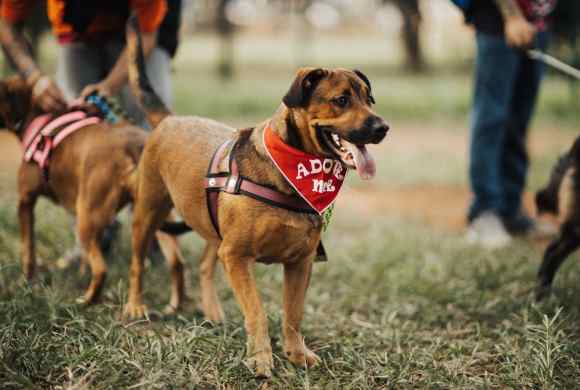
Keeping the household calm during the first few days reduces stress. Loud noises, sudden movements, and too much activity can make a rescue dog feel uneasy. If possible, limiting visitors and keeping other pets separated at first allows them to adjust without added pressure.
Giving a dog time to feel safe in their new home is key. Every dog adjusts at their own pace, and some may need extra help. If you’re looking for professionals that do dog training Los Angeles has many experienced trainers who specialize in working with rescue dogs. They can provide guidance on behavior, socialization, and building trust.
Establishing a Consistent Routine
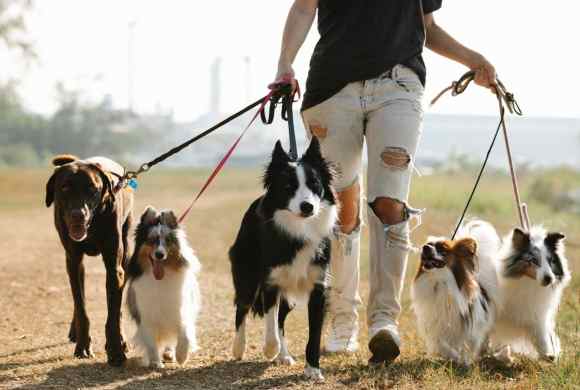
Dogs feel more secure when they know what to expect. A predictable routine helps rescue dogs adjust faster by giving them structure in their new environment. Mealtimes, walks, and bedtime should happen at the same time each day. Consistency in these areas helps reduce anxiety and makes the transition smoother.
Feeding the dog in the same spot each day helps them associate the space with safety and stability. Walks should also follow a regular pattern, using the same route when possible. This allows the dog to become familiar with their surroundings without added stress.
Consistency in interactions is just as important as scheduling. Keeping voice tones calm and using the same words for commands helps the dog understand expectations. If multiple people live in the home, they should all follow the same approach. This avoids confusion and reinforces positive behaviors.
Building Trust Through Positive Reinforcement
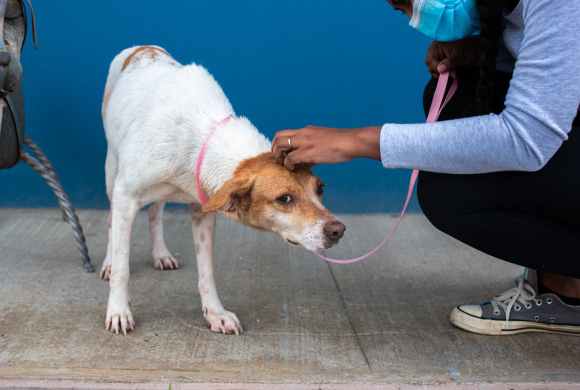
Trust is one of the most important parts of helping a rescue dog feel comfortable in a new home. Many of these dogs have experienced neglect, abandonment, or inconsistent care, making it harder for them to trust new people. Positive reinforcement helps create a sense of security and encourages good behavior.
Using treats, praise, and gentle petting when the dog responds well to new experiences helps build confidence. Simple actions like sitting calmly, walking nicely on a leash, or showing curiosity in their surroundings can be rewarded. This teaches the dog that their new home is a safe place where good behavior leads to positive experiences.
Avoiding punishment is just as important. Rescue dogs may act out due to fear or past trauma, and negative reactions can make their adjustment harder. Instead of scolding or using harsh corrections, redirecting their attention and reinforcing calm behavior works better. Giving the dog time to learn without pressure makes a big difference in their progress.
Introducing Your Rescue Dog to Other Pets and People
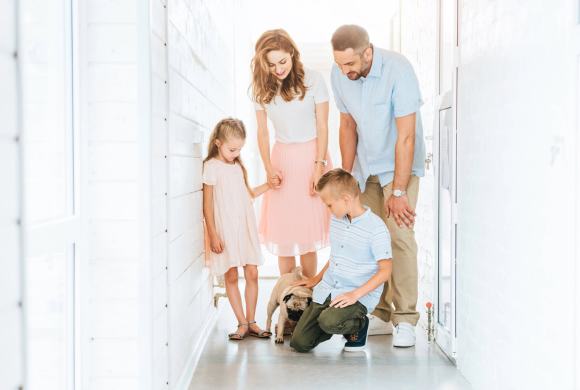
Meeting new people and animals can be stressful for a rescue dog, especially if they had limited socialization before. Taking introductions slowly prevents overwhelming them.
For other pets in the home, controlled introductions work best. Keeping the rescue dog on a leash and allowing them to observe from a distance helps them adjust. Letting the animals sniff each other through a gate or a barrier before direct contact can make the process smoother. If signs of stress appear, such as growling, stiff body language, or avoidance, giving them more time before trying again is a good approach.
When introducing the dog to new people, allowing them to approach at their own pace reduces anxiety. Guests should avoid direct eye contact and sudden movements, as these can feel intimidating. Instead, sitting calmly and offering a treat gives the dog a chance to approach when they feel ready.
Handling Common Behavioral Challenges
Many rescue dogs come with behavioral challenges that need time and patience to manage. Separation anxiety, house training issues, and fear-based reactions are common. Addressing these problems early helps the dog adjust without added stress.
For separation anxiety, creating a calm routine before leaving the house can help. Avoiding long goodbyes and giving the dog a chew toy or puzzle feeder keeps them occupied. Practicing short departures and gradually increasing time away can ease anxiety.
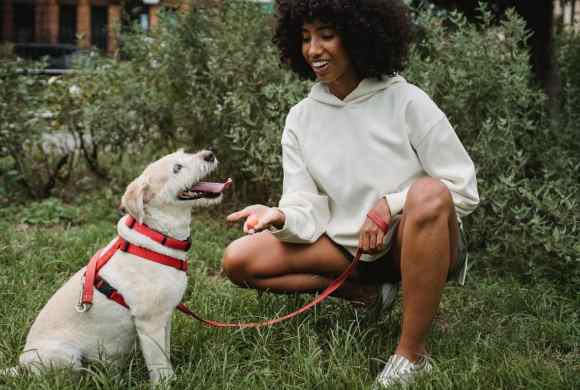
House training may take extra effort, especially if the dog was never properly trained before. Taking them outside at regular intervals, rewarding them for going in the right place, and keeping a consistent schedule speeds up the learning process. Crate training can also help when done correctly, providing a secure space for the dog to feel safe.
Fear-based behaviors, such as cowering, barking, or avoiding certain people or objects, often stem from past trauma. Letting the dog adjust at their own pace without forcing interactions is the best approach. Gradually exposing them to new experiences with positive reinforcement helps build confidence over time.
Helping a rescue dog adjust takes time, but with patience and consistency, they can become a happy and confident companion. Establishing a routine, using positive reinforcement, and giving them space to feel secure all play a role in their adjustment.
Every dog is different, and some may take longer than others to settle in. Paying attention to their needs and providing a supportive environment allows them to build trust at their own pace. When given the right care, rescue dogs can form deep bonds with their new families and thrive in their forever homes.
Leave a Reply