


In recent years, the importance of sustainable practices has gained significant attention across various industries, including gardening.
As individuals and communities become more aware of environmental challenges, such as climate change and resource depletion, the need for sustainable gardening practices has become paramount.
In this blog post, we will delve into the concept of sustainable gardening and explore practical tips on how to implement these practices for a greener future.
Understanding Sustainable Gardening

Sustainable gardening is not just a trend; it’s a philosophy that seeks harmony between human activities and the natural world. You can go to hpotter.com/ and learn how it recognizes that our actions in the garden have far-reaching consequences, impacting ecosystems, water resources, and biodiversity. At its core, sustainable gardening is about balance and stewardship.
Efficient resource use is a fundamental aspect of sustainable gardening. This includes conserving water through smart irrigation practices, using renewable energy sources whenever possible, and minimizing waste through composting and recycling. By doing so, gardeners reduce their ecological footprint and contribute to the preservation of vital resources for future generations.
Promoting biodiversity is another key pillar of sustainable gardening. This involves planting a variety of native species, creating habitat for wildlife, and avoiding the use of harmful chemicals that can disrupt ecosystems. Biodiversity not only supports a healthy environment but also enhances the resilience of gardens against pests and diseases.
In essence, sustainable gardening is a holistic approach that benefits both nature and people. It fosters a deeper connection to the natural world and empowers individuals to be responsible stewards of the land.
Key Principles of Sustainable Gardening
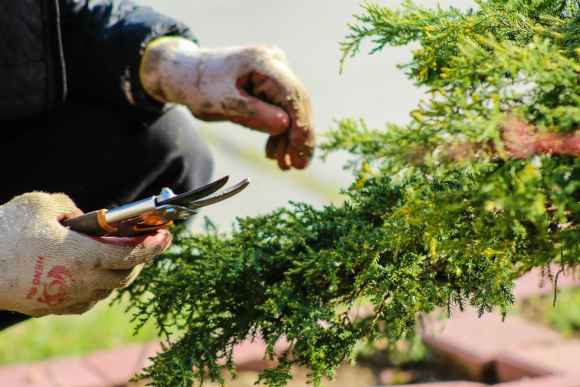
Before diving into specific practices, it’s essential to understand the key principles that guide sustainable gardening:
Conservation of Resources: Sustainable gardening emphasizes the efficient use of resources such as water, energy, and materials. By reducing waste and using resources wisely, gardeners can minimize their environmental footprint.
Biodiversity Preservation: Maintaining biodiversity is crucial for a healthy ecosystem. Sustainable gardening practices focus on promoting diverse plant and animal species, creating habitats for wildlife, and avoiding the use of harmful chemicals that can disrupt ecosystems.
Soil Health: Healthy soil is the foundation of a successful garden. Sustainable gardening involves practices that improve soil fertility, structure, and microbial activity, such as composting, mulching, and avoiding synthetic fertilizers and pesticides.
Water Conservation: With water scarcity becoming a global concern, sustainable gardening prioritizes water conservation through techniques like rainwater harvesting, drip irrigation, and choosing drought-tolerant plants.
Now that we’ve covered the principles, let’s explore practical ways to implement sustainable gardening practices:
Choose Native and Climate-Adapted Plants
One of the most effective ways to promote biodiversity and conserve water is by selecting native plants and species that are well-adapted to your climate.
Native plants are naturally suited to local environmental conditions, requiring less water, fertilizer, and maintenance compared to exotic species. By planting native flora, you can create a resilient and thriving garden that supports local wildlife.
Practice Water-Wise Gardening
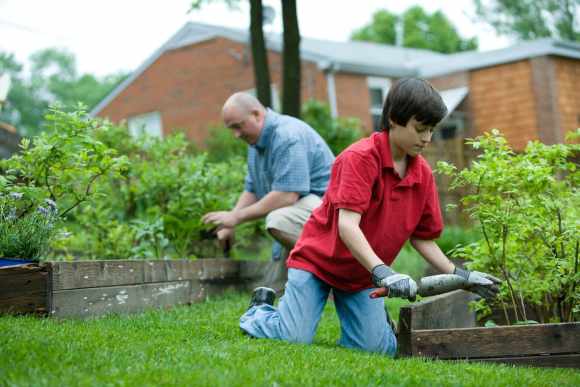
Water conservation is a critical aspect of sustainable gardening, especially in regions prone to droughts or water scarcity. Implementing water-wise gardening techniques can significantly reduce water usage while maintaining a healthy garden. Some water-saving strategies include:
Mulching: Apply organic mulch, such as wood chips or straw, around plants to retain moisture, suppress weeds, and improve soil health.
Drip Irrigation: Install a drip irrigation system to deliver water directly to plant roots, minimizing evaporation and runoff.
Rainwater Harvesting: Collect rainwater in barrels or tanks for use in watering plants, reducing reliance on municipal water sources.
Compost Organic Waste
Composting is an eco-friendly way to recycle organic waste and enrich your soil. Instead of throwing away kitchen scraps, yard trimmings, and other organic materials, composting turns them into nutrient-rich soil amendments.
By incorporating compost into your garden beds, you improve soil fertility, enhance moisture retention, and reduce the need for synthetic fertilizers.
Avoid Chemical Pesticides and Herbicides
Chemical pesticides and herbicides can have detrimental effects on pollinators, beneficial insects, soil organisms, and human health. Embrace organic pest control methods, such as planting pest-repellent plants, using companion planting techniques, and introducing natural predators like ladybugs and birds.
Additionally, handpicking pests and practicing good garden hygiene can help manage pest populations without resorting to harmful chemicals.
Practice Sustainable Lawn Care

Lawns can consume significant water and maintenance resources, making them a focal point for sustainable gardening efforts. Consider reducing lawn areas and replacing them with native ground covers, drought-tolerant grasses, or low-maintenance landscaping.
Adopt mowing practices that promote healthy grass growth, such as mowing at the appropriate height and using a mulching mower to return nutrients to the soil.
Support Pollinators and Wildlife
Creating a garden-friendly environment for pollinators and wildlife is essential for ecosystem health and biodiversity. Plant a variety of flowering plants that attract bees, butterflies, and other pollinators. Provide shelter, water sources, and nesting sites for birds, beneficial insects, and small mammals. Avoid using chemical pesticides and herbicides that can harm pollinators and disrupt food chains.
Educate and Engage
Educating and engaging others in sustainable gardening practices is crucial for fostering a culture of environmental responsibility. By sharing your knowledge and passion, you can inspire individuals to make positive changes in their gardens and communities.
Organizing workshops, garden tours, or educational events provide opportunities for hands-on learning and the exchange of ideas. These activities can highlight the benefits of sustainable practices such as water conservation, biodiversity promotion, and waste reduction.

Encouraging schools, local organizations, and policymakers to support sustainable gardening initiatives can lead to the creation of green spaces that not only enhance the beauty of the area but also provide numerous environmental and social benefits.
Ultimately, by educating and engaging others, you can create a ripple effect of positive change, leading to a greener and more sustainable future for all.
Implementing sustainable gardening practices is not only beneficial for the environment but also rewarding for gardeners. By following the principles of conservation, biodiversity preservation, soil health, and water conservation, individuals can contribute to a greener future and create thriving, resilient gardens.
Whether you’re a novice gardener or an experienced enthusiast, embracing sustainability in your gardening endeavors can make a significant difference in building a healthier planet for generations to come.
Leave a Reply