


Supporting a greener and more sustainable future is something everyone can achieve by making thoughtful choices every day. The food we eat, the products we buy, and the way we travel all affect the environment.
Small, eco-friendly actions add up when many people do them. By making sustainable living a regular part of our lives, we can lower our impact and help leave a healthier world for future generations. The path to sustainable living is about making steady progress, not being perfect-every positive action, no matter how minor, plays a part.
The need to protect our environment is more urgent than ever. Climate change brings serious problems like rising sea levels and extreme weather around the world. But people everywhere-individuals, communities, companies, and schools-are working for a greener future.
Living in a way that cares for nature helps us save resources and make life better now and for those who come after us.
Why Do Daily Choices Matter for a Greener, More Sustainable Future?
Our daily decisions matter more than we often think. What we buy, eat, and how we travel each add to a larger environmental story. The size of global problems can seem overwhelming, but focusing on small things we can do helps us become part of the solution. These small steps, when done together with others, can influence the world around us and beyond.
How Individual Actions Add Up to Help the Planet
Each person’s choices build the base for global sustainability. Large policy changes and company responsibility are important, but they often come in response to what people want. As more people make eco-friendly choices, businesses and leaders notice and start to offer more green options.
This cycle-where consumer actions bring about wider changes-makes sustainable living easier for all. When friends and family see our efforts, they often want to join in, spreading good habits throughout communities.
For example, recycling one plastic bottle may not seem like much, but millions of people doing it makes a huge difference in reducing waste. Walking or biking instead of driving, when done by many, can dramatically cut city pollution. These habits might appear small, but added together, they make a real difference.
What Good Comes From Making Sustainable Choices?
Choosing sustainable options benefits the environment in clear ways. It lowers the resources we use and the waste we create. This means cleaner air, water, and soil, all of which are better for people and wildlife. For instance, buying organic items means fewer harmful chemicals enter nature. Saving water helps protect supplies, which is vital as droughts become more common.
Sustainable habits also help fight climate change. Switching to renewable power, driving less, or eating more plant-based foods all cut down greenhouse gases. These actions help keep animal habitats safe and promote biodiversity, making nature more balanced and resilient for everyone-both now and in the years ahead.

Building a Mindset for Long-Term Sustainable Living
Living sustainably involves more than following a set of tasks. It’s about changing how we see our actions and their effects on the planet. This means thinking about more than convenience and considering what our decisions mean for the future. Being open to change and intentionally building better habits is a lifelong process that starts with simple steps.
How to Break Through Barriers to Greener Habits
Shifting to eco-friendly routines can seem tough at first because it feels like a lot to change or it’s too expensive. Many times, the main challenge is believing that personal actions matter.
Remember, every little effort counts and, together, these acts make a bigger impact. If cost or time is a worry, start with easy changes, like using less plastic or turning off lights. Introduce one or two new habits at a time until they feel natural, then build from there.
Sorting through all the advice on “true” sustainability can feel confusing. Focus on making progress, not being perfect. Make changes that fit your current routines, such as carrying a reusable cup instead of buying one each day. View sustainable habits as ways to get creative, save money, and stay healthy. Celebrate small wins and keep growing your green habits bit by bit.
How to Encourage Others to Make Sustainable Choices
Getting others to live more sustainably makes a bigger difference. The best way is to show, not tell. Share your own journey and the positives you’ve noticed, like saving money or feeling healthier. Instead of telling people what they “should” do, offer simple tips that have worked for you. This makes being green feel possible for everyone.
Conversations work best when you talk about health and well-being, like how clean air affects kids or how local food supports communities. Join in or suggest group activities like neighborhood clean-ups or farmers’ market outings. Use social media to spread useful information and mark milestones. Just like dropping one pebble into water causes ripples, your actions can inspire many others.
How to Reduce Waste and Save Resources Everyday
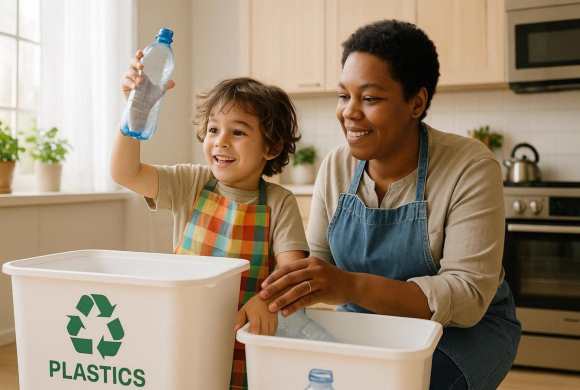
Cutting down waste and using resources wisely is a basic part of sustainable living. Our everyday activities can create a lot of trash, much of which ends up in landfills. By being careful about what we throw away and by using things longer, we help limit pollution and make the most out of what we have. Here are some simple ways to make these habits stick.
What Does ‘Reduce, Reuse, Recycle’ Look Like in Real Life?
The “Reduce, Reuse, Recycle” rule helps manage waste best when followed in order:
- Reduce: Buy only what you need. Every item, from its creation to packaging, uses up energy and generates pollution. Ask yourself if you really need something before you get it. Choose options with less packaging or pick digital versions over paper when possible.
- Reuse: Use items more than once. Bring reusable bags to shop, refill bottles, and use containers from home. Try secondhand stores, repair your stuff, and find new uses for items instead of tossing them.
- Recycle: When you do need to dispose, recycle properly. Know local rules, rinse containers, and sort materials to keep recycling systems working smoothly.
How to Cut Down on Single-Use Plastics
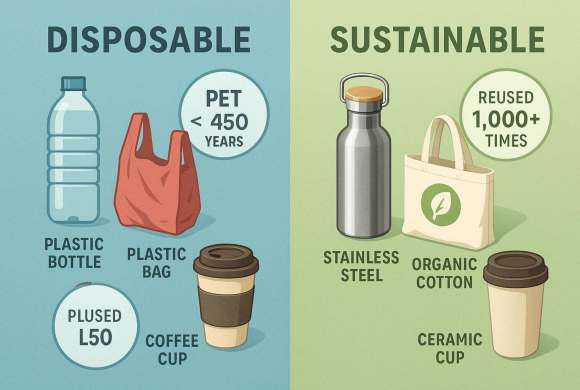
Single-use plastics create lasting pollution problems. To reduce them:
- Take reusable bags, bottles, and mugs with you.
- Say no to plastic straws and cutlery; carry your own set.
- Pick fresh produce over pre-wrapped items.
- Choose packaging made from glass, metal, or cardboard.
- Buy in bulk and bring your own containers.
- Switch to options like bamboo toothbrushes.
Every swap you make helps keep plastics out of our oceans and lands.
How to Waste Less Food at Home
Nearly 40% of edible food gets thrown out in the U.S. alone. To waste less:
- Plan your shopping and stick to your list.
- Store food so it keeps longer.
- Use leftovers for new meals or freeze for later.
- Buy produce even if it looks odd, as it’s just as good.
- Try canning, freezing, or drying foods to preserve them.
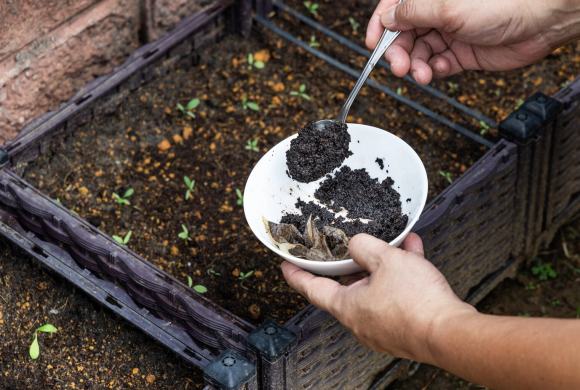
- Compost food scraps instead of trashing them.
These efforts save money and resources and prevent unnecessary landfill waste.
Why Composting Matters
Composting turns waste like food scraps and yard trimmings into soil that helps plants grow. It keeps organic trash out of landfills, where it would make methane-a harmful greenhouse gas. Compost adds nutrients back to soil, helps crops grow, and limits the need for chemical fertilizers. In this way, what we once threw away turns into a helpful resource, closing the loop.
What Are Greener Habits for Energy and Water Use?
Our use of energy and water each day affects the planet. Simple changes can reduce pollution, cut costs, and protect natural supplies for the future.
How Energy-Saving Appliances and Lights Help
Using energy-efficient products can lower energy consumption and pollution:
- Replace old bulbs with LEDs, which use less power and last much longer.
- Upgrade to efficient appliances, like those with ENERGY STAR labels.
- These choices lower the need for electricity, which often comes from burning fossil fuels.
Though efficient products may cost more in the beginning, they usually pay off by reducing utility bills over time.
Easy Ways to Use Less Water at Home
To save water daily:
- Turn off the tap while brushing your teeth or washing dishes.
- Take shorter showers and only run washing machines with full loads.
- Fix leaks quickly to avoid wasting gallons of water.
- Install low-flow showerheads and faucets.
- Water your garden early or late to lower evaporation. Collect rainwater for outdoor use.
- Plant native or drought-resistant plants to cut down on watering needs.
Switching to Renewable Energy-What Can You Do?
Switching to clean energy sources is a strong way to lower your impact. Some options include:
| Option | How it Helps |
| Solar panels at home | Produce your own electricity, sometimes sell extra back to the grid. |
| Community solar programs | Share energy from a group project if you can’t install panels personally. |
| Green energy plans from utility companies | Pick a plan that uses power from wind, solar, or other renewables. |
| Supporting electric vehicles | Reduce fossil fuel use in transportation. |
Look for local incentives to help pay for switching to renewables.

How Do Transportation Choices Affect Sustainability?
Transportation creates a lot of air pollution and carbon emissions. By rethinking how we travel, we can make a big difference.
Choosing Public Transit, Walking, and Biking
Public transit, walking, and biking pollute much less than driving alone. Buses and trains move more people while using less energy per person. Walking and biking cause no pollution and are also great for your health. Opt for these options when running errands or going to work to help clean the air and lower your carbon footprint.
How to Drive in a Cleaner Way
If you need to drive, you can still make eco-friendlier choices:
- Drive smoothly-no hard braking or accelerating.
- Keep your car in good shape, especially tire pressure.
- Combine trips to cut down on how much you drive.
- Carpool with others when you can.
- Choose a fuel-efficient or electric car for your next purchase.
Together, these habits help lower emissions and save money on gas.
Electric Vehicles and New Ways to Get Around
Electric vehicles (EVs) have no tailpipe emissions and are getting cleaner as more power comes from renewables. Buses, bikes, and scooters that run on electricity, along with car and bike sharing, make it easier to avoid owning a gasoline car. Supporting more charging stations and greener transport options where you live helps everyone.
Charging during the day-when solar and wind power are strong-also uses more clean energy. These moves all help create cleaner cities and less dependence on fossil fuels.
How to Make More Eco-Friendly Food and Shopping Choices
Our eating and shopping habits play a real part in greenhouse gas emissions and resource use. Choosing carefully in these areas benefits both the earth and the people who live on it.
Why Plant-Based Diets Matter
The food industry greatly affects the planet. Producing meat, especially beef, uses a lot of water, land, and energy, and leads to high greenhouse gas emissions. For instance, a beef burger has a carbon footprint up to ten times higher than a chicken or plant-based one. Eating more meals based on plants is a simple way to use fewer resources and cut pollution. Even simple changes, like Meatless Mondays, lower your footprint and can be good for your health, too.
How to Pick Ethical and Organic Products
Choosing ethically made and organic products supports better practices in farming and manufacturing. Look for certifications like Fair Trade, USDA Organic, or the FSC label. These signs show that products were made with respect for workers and the planet, and often with fewer chemicals.
Go for items made from natural materials, like organic cotton or bamboo, instead of plastics. Research brands to make sure they’re honest about their practices. Spending your money on ethical goods pushes companies to adopt greener practices.
Moving Away From Fast Fashion
Fast fashion-the quick, cheap production of trendy clothes-creates a huge amount of waste and pollution. It accounts for a big share of global emissions and sends tons of clothes to the landfill each year. To shop more sustainably:
- Buy fewer, higher-quality clothes that last.
- Shop at thrift or secondhand stores for unique finds.
- Repair, swap, or donate clothing you no longer need.
- Pick brands that use eco-friendly materials and fair practices.
These changes lower your fashion footprint and support a cleaner clothing industry.

How Can Your Home or Workplace Be More Sustainable?
We can make a difference at home and work too by using energy carefully, cutting waste, and spreading awareness.
Energy-Saving Tips for Greener Homes
Simple habits can lower your home’s impact:
- Unplug electronics when not in use.
- Use power strips for devices.
- Switch to LED bulbs.
- Adjust your thermostat down in winter, up in summer.
- Install a programmable thermostat to match your schedule.
Bigger steps like better insulation, energy-saving windows, and solar panels can boost these efforts. Look out for rebates or free energy audits from your electricity provider.
Better Waste and Recycling Programs at Work
Offices can produce lots of waste, but good habits help reduce this:
- Set up labelled recycling bins for different materials.
- Support composting in break rooms or cafeterias.
- Use digital documents rather than printing when possible.
- Print double-sided when needed, and use recycled paper.
- Encourage reusable bottles, mugs, and containers.
- Buy supplies in bulk to use less packaging.
- Promote events like “Meatless Mondays” or filtered water stations.
Getting Coworkers and Family Involved in Green Habits
Invite others to join in by sharing your own practices and their benefits. Involve family in setting eco-friendly goals or tasks. At work, suggest simple changes like recycling drives, turning off lights, or switching to efficient bulbs. Make it a team effort and share success stories. Every small effort adds up to a larger shift.
The Power of Group Efforts and Policy Support
One person can do a lot, but bigger change happens when people work together and policies support green actions. Building strong rules and group movements creates deeper, lasting change for the planet.
How Speaking Up and Voting Helps
Advocating for better environmental rules and voting for leaders who care about sustainability makes a real difference. This might mean signing petitions, contacting officials, or joining community efforts. Learn about where candidates stand on green issues and support those who prioritize the environment. Join or donate to environmental organizations to add your voice to larger campaigns.
Why It’s Important to Back Local and Global Environmental Projects
Pitching in with local clean-ups, community gardens, or conservation work makes a direct impact on your neighborhood and encourages others to do the same. Supporting worldwide organizations that focus on climate change or protecting wildlife keeps efforts strong on a large scale. Getting involved, spreading the word, donating, or volunteering all help make projects succeed.
Small Steps That Make a Lasting Difference
Creating a greener future begins with small, thoughtful choices, done every day. When lots of people make the effort, big changes happen. The good that comes from these habits goes beyond protecting nature-it builds healthier communities, saves money, and makes us more thoughtful about our actions.
Everyday Actions Matter
Taking daily steps like recycling, saving water, or making careful shopping choices reduces our impact. These changes send a clear message to companies and officials that people want green options. Over time, this shapes policy and business, creating cleaner air, water, and stronger natural systems.
Choosing a sustainable lifestyle builds a deeper relationship with the environment, leads to healthier habits, and can even reduce expenses. By spreading these ideas and helping others get involved, we can achieve bigger, lasting improvements. Together, small actions lead to a real, greener world for everyone.
Leave a Reply