

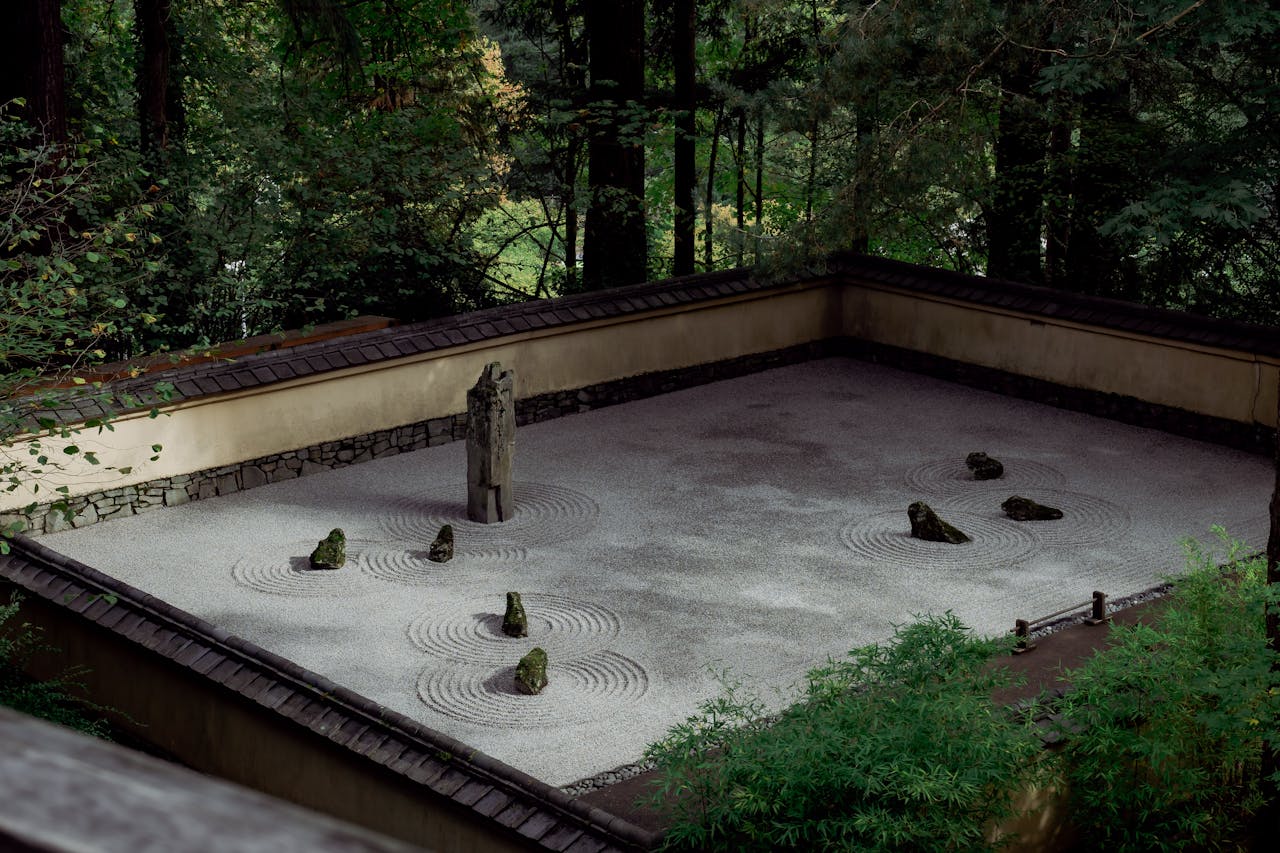
Finding a quiet spot to sit and reflect upon your life is pretty much out of the question in your busy day. A Zen garden will be just that—a tranquil nook that purifies both body and mind.
The Zen garden, based on the ancient traditions in Japan, is simple yet deliberate, incorporating natural elements all in a single harmonious unit. It is more than a pretty sandbox; it is an invitation to be mindful, setting up an oasis of peacefulness right in your backyard.
If you’re ready to create your little bit of peace and quite, here’s how you make a Zen garden in an attempt to restore the much-needed balance and bring back tranquillity in your life.
Starting on the Right Space
A Zen garden doesn’t have to have the area of several football grounds. It may be confined only to a single nook or corner of your yard. It can also adjust into a small area size over your balcony. Do only what would keep the breath flowing, where you can relax and rejuvenate your connection with nature.
Look for a quiet area away from the hustle and bustle of daily life where you can feel somewhat secluded; a spot that is usually protected from strong winds is ideal, as well as from high sun. Even if all you have to work with is a small back patio or courtyard, a scant few feet will do.

Choose Natural Elements with Intention
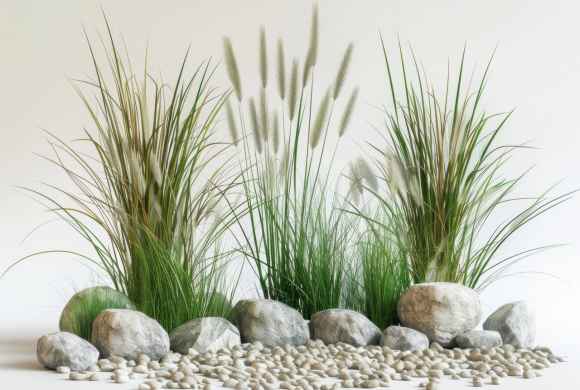
Basically, Zen gardens are meant to celebrate simplicity and the beauty of natural materials. When designing, the three basic elements in consideration are rocks, sand, and plants.
Rocks
Use larger rocks for accent points since they represent mountains, strength, and quiet. Place them thoughtfully, paying attention to balance. Odd numbers often look more natural.

Sand or Gravel
These are the symbols of water, the flow of life, and movement. Rake the sand into soft, rippling patterns to mimic waves or flowing streams. It’s a meditative process that instantly calms the mind.

Plants
Only a little greenery. Moss, bamboo, and small shrubs bring softness without overwhelming the space with too much greenery, which can be chaotic and quite opposite to Zen.
Add Personal Touches
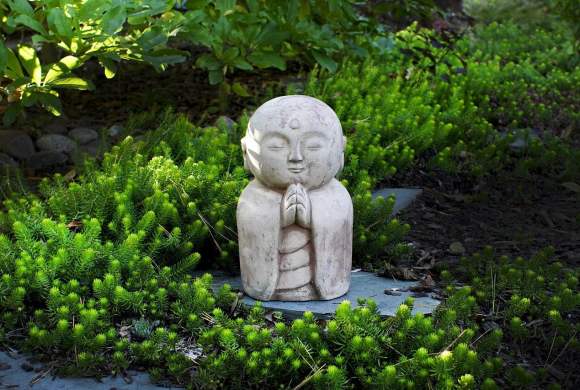
A Zen garden is about more than just how it looks; it’s about how it makes you feel. Add small touches that enhance the experience and invite mindfulness. A bench or a stone seat invites you to stop and forget. A small water feature, like a trickling fountain, introduces soothing sounds that mask outside noise. Whether of wood or stone, the lanterns speak in soft elegance, inviting quiet contemplation at dusk.
Just keep in mind that less is often more. Each element in the garden should serve a purpose to enhance the garden and not distract from it.
The Art of Raking Sand: A Moving Meditation
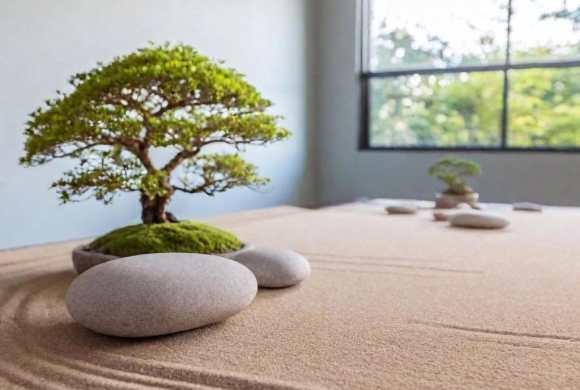
Another deeply rewarding aspect to a Zen garden is just raking sand or gravel. It certainly is beautiful, but apart from the visible beauty of art lies a different benefit altogether—meditation. Delicate fluid patterns provide many great lessons that relax the mind into simply being instead of fighting oneself and building stress.
You can make simple circles or ripples in the sand—no need for anything too complex. This is a process, not about perfection. If your mind starts to wander or you find yourself feeling agitated, gently bring your attention back to the action and rhythm of the rake through the sand.
Curiously, self-reflective practices have raised questions like is mirror gazing dangerous. As much as these rituals raise curiosity, raking sand offers a way of reflection and clear thought in a healthier, more grounding manner.

Maintain Simplicity and Balance
Zen gardens thrive on simplicity. Avoid ornamenting or overgrowing the area with greenery. Beauty in a Zen garden comes in balance where each rock, each plant, and each line on the sand has its place. After placing, regularly take care of your garden by removing leaves, smoothing the sand, and trimming the plants for order. These acts of care themselves are sorts of meditation when you work together to nurture the space and your peace of mind.
Why a Zen Garden Works
There is a reason we feel so awed walking into a place that was intentionally designed to be a place of rest. The Zen garden reminds us to pause, breathe, and let life’s noise just pass away. It really calls our focus to the moment at hand: the beauty of shifting sand, the solidity of stones, the gentle plant swaying.
It could be five minutes of raking the patterns, but most of all, the time of silence sitting. Your little Zen garden turns into an instrument of mindfulness: permission to slow down, to reconnect, and find harmony in the smallest moment.
At the end of the day, nature has always been a healer. A Zen garden just proves that even in minimal, purposeful spaces, peace can be found—if you allow it.
Leave a Reply