

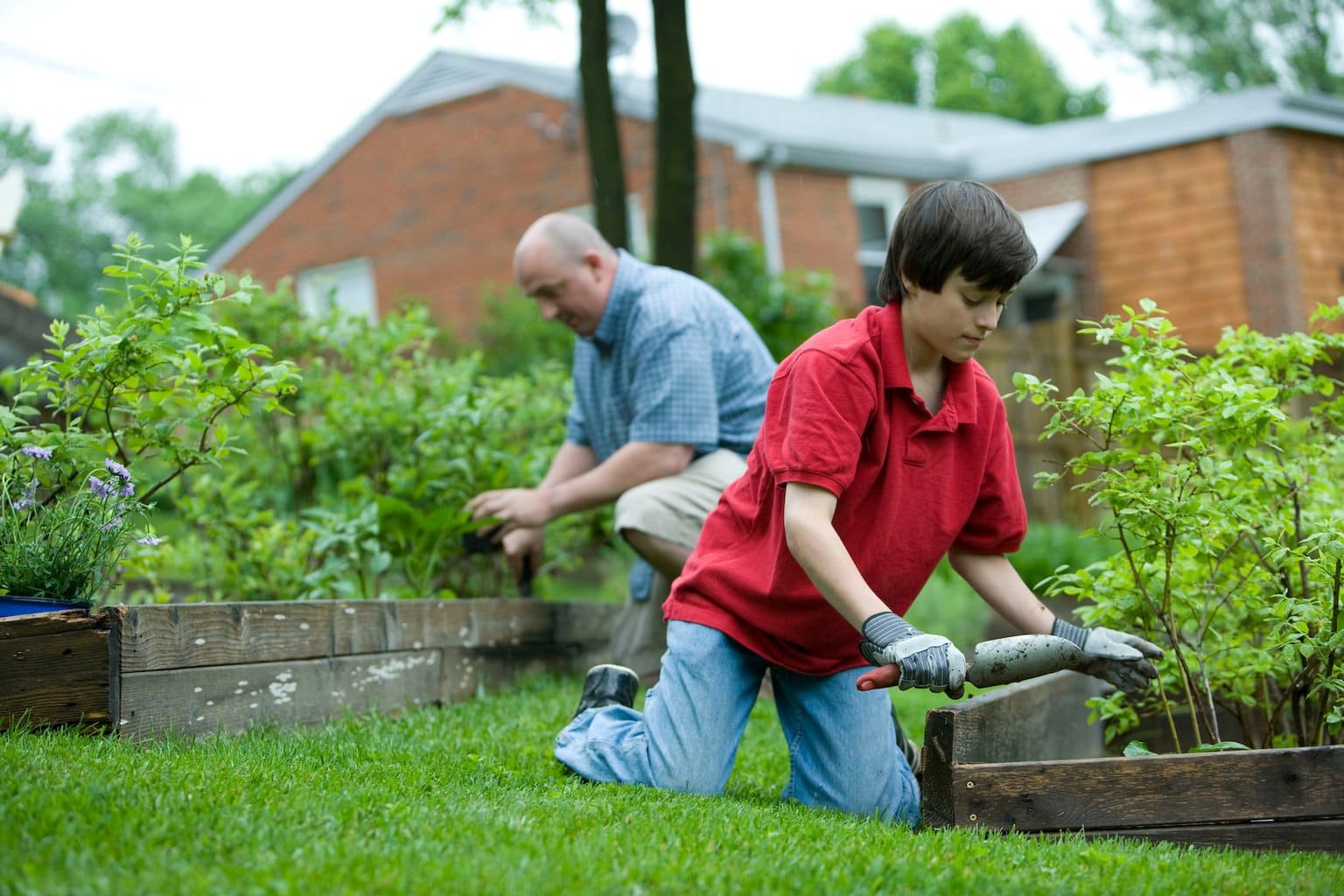
In order for your garden to thrive, let’s start with the very first thing: the soil. That’s where it all begins. Earth-friendly soil practices will not only nourish your plants – they will also contribute to overall environmental health.
In this article, we’ll explore some sustainable methods you can incorporate into your gardening to improve soil health and be the proud owner of a flourishing garden. From composting to mulching, these practices will benefit not only your garden but also our home – the planet.
How Important is Soil Health?
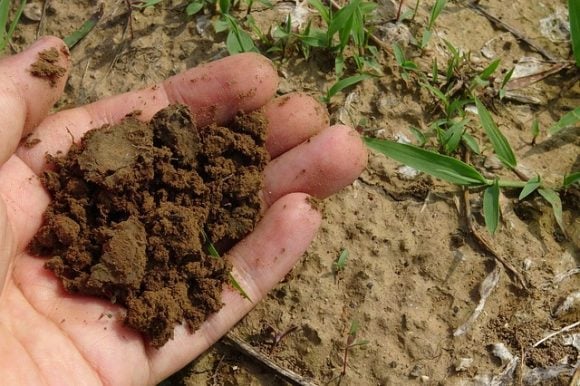
The foundation of a healthy garden lies in the health of the soil. Healthy soil provides essential nutrients for the residents of your garden – your flowers, vegetables, and plants. It supports their root development, and it ensures the regulation of moisture levels.
When you adopt our tips for earth-friendly soil practices, you will enhance the structure of the soil, which will result in increased fertility and will encourage biodiversity. Healthy soil is also a vital component in sequestering carbon, minimizing the human effects on climate change, and preserving the balance in our ecosystem.
What is Composting?

Composting is an easy way to enrich your soil naturally, and it is very effective. It only takes a little effort – you recycle organic waste, such as kitchen scraps, yard trimmings and leaves, and that cooks up a nutrient-rich compost that improves the fertility and structure of your soil. You can start by using a compost bin, or a pile in your garden.
Then, layer organic materials with soil, add water for moisture, and don’t forget to turn the compost frequently – that encourages decomposition. Over a period of time, you’ll end up with a valuable resource to nourish anything and everything that grows in your garden, and the bonus side of it is that you’re being a friend to the Earth by reducing waste!
What is Mulching?

Mulching is another soil practice which is both earth-friendly and very beneficial. The concept is simple: cover the soil surface with organic mulch, such as wood chips, straws or leaves, that way you preserve moisture and you suppress weeds, all the while ensuring good soil temperature.
Mulch also breaks down over time, and when it does, it adds organic matter to the soil. Important benefits of mulching also include reducing erosion, protection of plant roots, and an enhanced health of the ecosystem of your garden.
What is Crop Rotation?

Crop rotation is traditionally found in farming, but it can benefit home gardeners, too. When you rotate crops in your garden beds during each season, you will prevent nutrients from depleting, and you will also get rid of pests more easily, keeping those plant diseases away and promoting soil fertility.
Remember to do your research on this one, as different plants will vary in what nutrients they need, and will interact with the soil in their own unique ways. Crop rotation is one of the best practices for optimizing garden productivity and for breaking disease cycles caused by those pesky pests you often find munching on your beautiful plants.
What is Cover Cropping?

Cover cropping is another important method to add to your manual on home gardening. What it involves is planting specific crops to cover the soil during fallow periods, or in-between main crops.
Cover crops can be legumes, grasses or clovers – they all work hard together to improve soil health by adding organic matter and fixing nitrogen. They also help you out by suppressing weeds, breaking up compacted soil, and they provide a desirable habitat for organisms that benefit your garden’s well-being.
Cover cropping is a sustainable practice (which is why we love it so much), and it promotes soil resilience by ensuring your garden’s productivity in the long-term.
Let’s Talk About Pest Management

Yes, we hate them as much as you do. This is where Integrated Pest Management (IPM) comes in. IPM is a holistic approach to pest control. It emphasizes the prevention, monitoring and eco-friendly management strategies.
How? Its focuses are on cultural practices, biological controls, and carefully selected pesticide use – that last bit is important to remember, because that is what helps you minimize harm to those beneficial organisms in your garden, and to the environment as well.
IPM techniques can be anything from trap cropping, crop rotation, companion planting, and biological control agents. When you incorporate these practices, you effectively manage pests and you preserve your soil’s comfort and health.
Important Elements in Gardening Practices
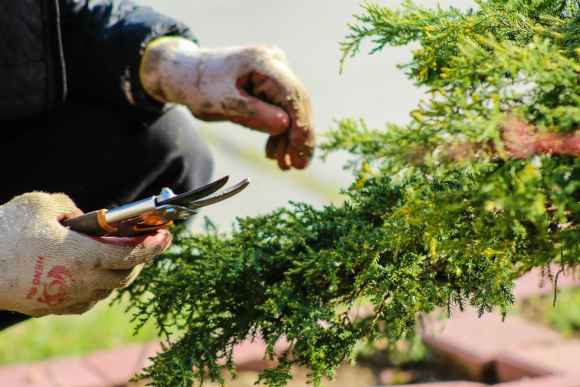
Nurturing our gardens, for those of us who are enthusiasts, means that we must take extra care when selecting soil of good quality. Topsoil, for example, is an important element of successful gardening. It acts as the foundation for a healthy garden, providing your plants with essential nutrients, moisture retention, and an environment for their roots to thrive in.
When selecting topsoil for your garden, be mindful of several factors: texture, composition, and nutrient component.
Topsoil delivery services offer garden lovers like you the convenience of high-quality soil brought to your doorstep, saving you significant amounts of time and effort.
Whether you’re thinking of revitalizing your flower beds or laying the groundwork for a lawn, making use of topsoil into your gardening methods brings you closer to the desired results, both in terms of the aesthetics and the vitality of your cherished outdoor space, a microcosm of the natural world!
A Holistic Approach to Soil Health Management
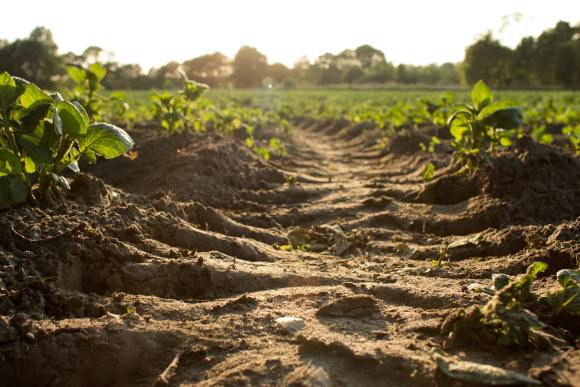
As we incorporate the gardening practices discussed in this article, you might find it beneficial to adopt holistic soil health management techniques which will help in the production of organic matter, as well as promote microbial diversity.
An example of such an approach is composting, which we talked about; but what else?
In addition to composting, you can enrich your soil with organic amendments, such as compost tea, seaweed extract, and worm castings. Those will provide a source of beneficial microbes, trace minerals and important organic nutrients which are a vital part of your plants’ healthy diet!
By embracing holistic soil health management methods, you can safely call yourself a garden pro. After all, the results will be visible – enhanced plant growth, and a thriving ecosystem!
Final Thoughts on All Things Soil and Gardening…

Think about what your garden really is. It’s a magical organism on its own, where natural elements converge – soil, water, air and sunlight all work together to support diverse life forms. And then there’s you, the gardener – the curator of that sacred sanctuary.
By adopting our tips for earth-centric gardening practices, you become the creator of a vibrant and resilient outdoor space that reflects the earth.
Those, combined with the practice of nurturing your soil, are synonymous with nurturing the very soul of your garden and its health, and effectively, result in a positive contribution to a healthier planet for future generations.
Leave a Reply