


Nature is medicine, don’t you know? First, let us ask you. Have you ever felt disconnected from the world around you? Do you sometimes feel like nature is just “out there,” something you see but never really experience?
For many people struggling with mental health, this feeling is very real. But what if the cure is as simple as growing a sunflower?
Let us talk more about how nature is becoming a powerful tool for healing.
The Sunflower Medicine
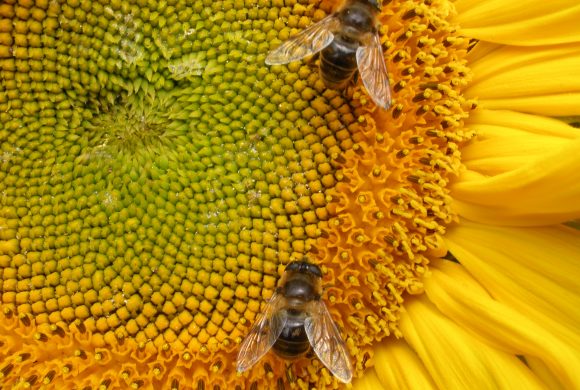
BBC talked to Emily Hough, who spent years in and out of specialist mental health units in Birmingham and London. She had been treated for an eating disorder since the age of 12.
For her, nature was too often simply something “out there,” a world apart from her. It was just a view from a hospital window. She felt little connection with the countryside or interest in the everyday plants and animals around her.
That changed five years ago when a hospital occupational therapist gave her an unusual prescription. Grow a sunflower.
“I’ll be honest I’d never planted anything in my life,” Hough said. But she did it anyway. She planted that sunflower and watched it grow. She watered it every day. She protected it from the shade. And something unexpected happened inside her.
“Just watching it grow, from me watering it and from me protecting it from the shade, helped me feel connected for the first time and really be able to appreciate what was around me,” she said.
She realized how she can make a difference to nature and what nature can actually do for her. It was a small plant, but it opened a big door. That was the beginning of her journey. From those early roots, Hough, now 35, embraced what the NHS calls “green social prescribing.”
She has now relocated from Solihull to a life in the countryside. She is out of hospital and has become an “Expert by Experience,” someone who uses their experience to design and evaluate new health services. A single sunflower started it all.
Green Social Prescribing

Green social prescribing is a program where doctors and health practitioners refer patients to organisations that offer nature-based activities. These activities can be many things: hiking, birdwatching, rockpooling, or looking after a city-based allotment.
The idea behind it is simple. Nature can support mental health recovery. It is meant to complement other treatments, not replace them.
Here is where the science comes in. Studies show that spending time in nature lowers levels of cortisol, the hormone responsible for stress. Natural environments also stimulate the parasympathetic nervous system, which helps the body enter a state of relaxation.
This is why people often feel calmer around trees, water, or plants. In addition, exposure to natural light helps regulate circadian rhythms and improves sleep.
There is also evidence that the smell of soil contains microbes like Mycobacterium vaccae that may boost serotonin production. Even the simple act of caring for a plant can activate reward pathways in the brain, making people feel more motivated and less anxious. These scientific effects help explain why a small sunflower could impact Hough so deeply.
This program has been a key part of the government’s 10-year plan for the NHS in England. A four-year national pilot ended in March and was judged a success by an independent evaluation.
In its first two years, nearly 8,500 people were prescribed nature activities. More than half of those patients lived in socio-economically deprived areas. Chris Dayson, a professor of voluntary action, health and wellbeing at Sheffield Hallam University, was part of the team that evaluated the scheme.
He said it brought “a really statistically significant increase in wellbeing” for patients. The evaluation also found that for every £1 invested, the scheme brought an economic social return of £2.42.
Not Everyone Agrees

Rob Poole, a professor of social psychiatry at the Centre for Mental Health and Society, shared his concerns. He said that while he was not against green social prescribing, it was an “inadequate response to the social determinants of health, such as poor housing, poverty and deterioration in social infrastructure.” Nature sessions cannot fix structural problems.
There is also concern about the future of this program. Despite the pilot being judged a success, the responsibility for funding these schemes is being left to charities. Organisations like The Wildlife Trusts, the RSPB, and the Ocean Conservation Trust are calling on the government to commit more funding.
Dom Higgins, head of health and education for The Wildlife Trusts, said the evidence is clear. “It is unequivocal that nature improves mental health… It’s time to seriously fund prevention and opportunities for people to create good health in the neighbourhoods where they live and work.”
A Life Transformed

Despite the debates about funding and effectiveness, some health professionals are already seeing real results. Shannon Kang, an NHS health and wellbeing coach at the University Medical Practice in Birmingham, has seen “dramatic results” with patients after being trained in nature prescribing by the RSPB.
Hough herself helped shape the RSPB’s flagship nature prescription scheme for the West Midlands. On World Mental Health Day, the scheme celebrated the training of their 100th health professional. They now have enough resources to support 1,000 patients accessing nature-based activities.
For Hough, connecting with the natural world has been life-changing. She admitted she was not always a believer. “I was sceptical. For years I had walked around not appreciating nature,” she said. But her view has completely changed now. “I genuinely believe that nature has really helped save me. It has given me hope.”
The scheme may not work for everyone. But for those who give it a chance, a simple sunflower might just be the beginning of something beautiful. Sometimes, the best medicine is not found in a bottle. It is found in the soil, the trees, and the sky above us. Nature is waiting. Are you ready to let it heal you?
Sources:
https://www.bbc.com/
https://medium.com/
https://thenextbigthingwithkeithdterry.buzzsprout.com/
Leave a Reply