


Gardening can be a challenge, particularly when wildlife perceives your plants as a food source. In various parts of the United Kingdom, gazelles graze on roses while rabbits relish vegetables.
To overcome these challenges, it is essential to safeguard your greenery without causing harm to the creatures. Fortunately, there are easy and budget-friendly ways to achieve this.
Herbs and ingenious garden layouts can help your flora flourish. By employing the right tactics, you can cultivate a vibrant landscape and maintain harmony with the local fauna.
Identify the Culprits
You need to know what animal causes damage to your plants. To do that…
Observing Animal Activity
Spotting the culprits behind garden destruction is a game of observation and patience. Take note of when and where the damage appears, along with its intensity.
A simple journal can turn into a powerful tool, revealing patterns and highlighting the most frequent intruders.

Using Motion-Activated Cameras
These devices will capture images of arriving squirrels, rabbits, or even foxes. Who knows? They might even catch a suspicious person doing something that they’re not supposed to.
Once you have pinpointed the cause of the disturbance, you can get down to some strategies.
Tailoring Deterrent Strategies
You must tailor preventive measures to the specific pests. The reason is simple, methods successful in repelling birds could be ineffective against deer and so on.
To achieve the best results, focus on identifying which creatures you are trying to deter.
Choose Natural Deterrents
Nature offers its own animal repellents. Herbs like lavender and rosemary smell wonderful to humans, but critters hate them. Scatter these plants along your garden edges or mix them with your favourite flowers.
Make your own spray, too. Just mix up some garlic or chilli powder with water. These homemade solutions cost almost nothing and take minutes to whip up.
Use them frequently, and you will notice fewer animal visitors. Additionally, these methods are safe for creatures and good for the environment.

Install Physical Barriers
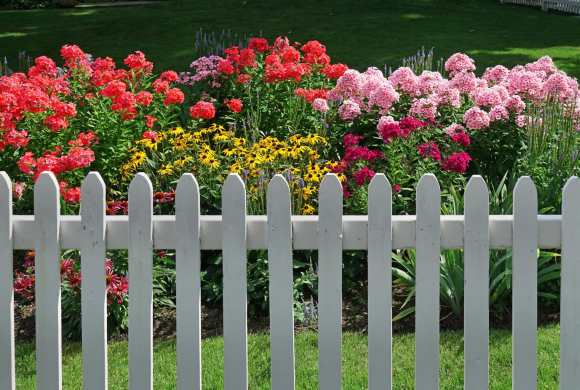
Think of the height and durability of fencing or netting based on the animals you want to deter.
A two-foot chicken wire fence, for instance, could work for rabbits, however, you would need something bigger and tougher for deer. For smaller creatures, a garden mesh is particularly useful.
Ensure everything is properly fixed into the ground so wildlife cannot sneak under or find gaps. Check for holes or weak spots and address them quickly.
It will require some work and investment to set these up, but once completed, they will keep your landscape safe without intrusive visitors.
If installing barriers feels challenging, enlisting the help of gardening experts is an excellent option. Engaging professional horticulture specialists provides reliable insight into wildlife management.
They conduct comprehensive assessments, recommend precise protective strategies, and implement targeted solutions that effectively safeguard your garden. Ultimately, this will save time and deliver expert-level protection against animal disturbances.
Use Motion-Activated Devices
Tech gadgets work wonders for keeping bugs and critters out of your flowerbeds. Try motion sensors that trigger sprinklers or bright lights. They’ll startle any trespassing animals with a quick splash or flash.
These clever tricks actually work, and you don’t need fancy skills to set them up. Just basic tools will do.
Once they’re in place, you can pretty much forget about them, which is perfect if you’re short on time. Just make sure to put them where animals usually wander through your yard for best results.
Additionally, many motion-sensing gadgets are energy-efficient, primarily using solar power or low-energy programs.
This means they will not increase your energy consumption or negatively impact the environment. By employing such equipment, you can rest assured your garden is well-guarded against unexpected animal intrusions.
Choose Plants That Animals Avoid
Pick plants that critters simply don’t enjoy, like marigolds or herbs. The strong smells and weird textures keep wildlife at bay, letting you relax.
Plus, these plants look great in your yard! This trick helps both nature and your gardening routine.
Local plants support nearby insects and birds too, keeping everything in balance. Before you dig, look around at what animals live nearby.
Then, select the greenery they tend to avoid. You’ll end up with a flourishing garden that gets along just fine with the natural world.
Give Them Something Else to Eat
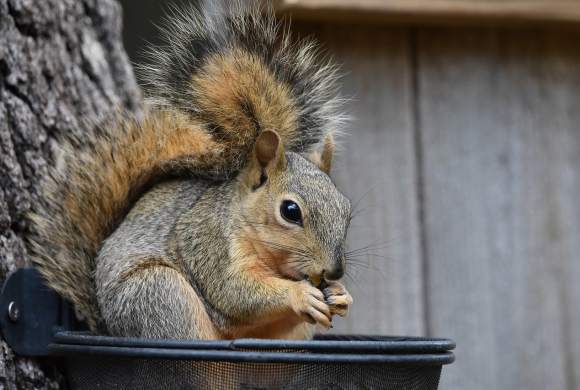
Stop animals from munching on your prized plants by offering snacks elsewhere. Set up bird or squirrel feeders at a distance from your garden beds. They’ll head there instead of bothering your flowers.
Go for seeds that bigger animals don’t care for much, keeping wildlife in their proper spots. It’s cheap, simple, and gives local creatures their own dining area.
Keep Things Tidy
A clean garden keeps animals away. Rotting fruits and veggies are like dinner bells to unwanted visitors. Clean up often. Remove fallen leaves and trim overgrown plants so your yard doesn’t become an open invitation to pests.
Using compost bins with tight lids helps significantly. These prevent wildlife from accessing food scraps and will maintain tidiness. A clean garden not only looks appealing, but also helps protect your flora from persistent intruders.
If landscape maintenance is hindered by troublesome fauna, seeking professional pest control can be a helpful solution.
Experts offer tailored, eco-friendly approaches that are often more effective than trial-and-error methods. Moreover, their knowledge of local wildlife can save time and ensure a pest-free garden.
Use Repellent Materials
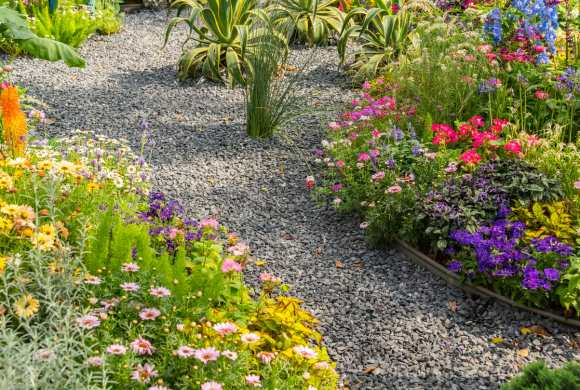
Try tough materials like gravel to keep critters away from your garden. Animals hate walking on scratchy surfaces, so they’ll avoid your plants.
Certain flowers work wonders, too. Lavender, mint, and marigolds smell nice to us but drive wildlife crazy. Mix these approaches for better results.
Put down some gravel, then plant mint around the edges. It works twice as well and means you won’t need harsh chemicals. The best part is that it’s cheap. You probably have most of what you need lying around your yard already.
Conclusion
Keeping wildlife out of your garden can be enjoyable and budget-friendly. You can use simple fences, select plants that animals do not like, or try natural sprays to keep creatures away.
Combining these strategies usually produces the best results. Not only will your greenery remain safe, but your landscape will look spectacular.
For thorough maintenance and expert guidance, you should consult gardening specialists to ensure your garden remains both beautiful and protected from wildlife.
When you balance nature with careful attention, your garden will thrive, and everything will coexist harmoniously.
Leave a Reply